
Emotional well being of students refers to how effectively young people understand their own emotions, build healthy relationships, make responsible decisions, and cope with challenges. It is not a secondary concern it is the foundation that determines whether a student can actually learn, connect, and thrive within a school environment.
The evidence is overwhelming. A landmark meta-analysis conducted by CASEL (Collaborative for Academic, Social, and Emotional Learning), spanning 213 studies and more than 270,000 students, found that students who participated in structured social emotional learning programs scored an average of 11 percentile points higher on academic assessments than peers who did not. A follow-up analysis showed that these gains persisted up to 18 years later, regardless of students’ racial backgrounds, socioeconomic status, or school location.
Yet despite this evidence, student emotional health in the United States remains under severe strain. This article examines what social emotional well being actually means for students, why the current data demands urgent attention, and what schools, families, and communities can do to strengthen it.
Table of Contents
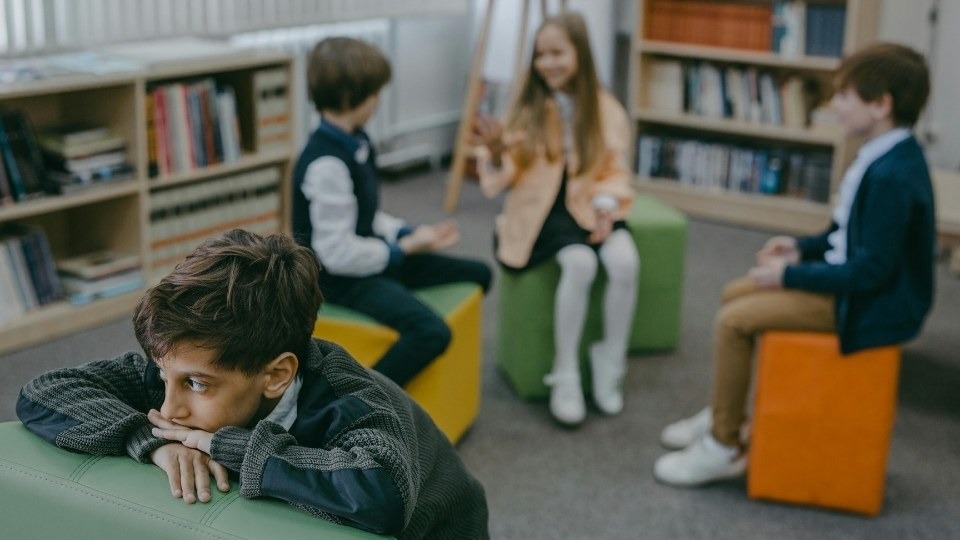
What Does Social Emotional Well Being Mean for Students?
Social emotional well being describes a student’s ability to manage emotions, navigate social relationships, feel a sense of belonging, and handle academic and personal stress in healthy ways.
CASEL’s widely adopted framework identifies five core competencies that underpin student social emotional health: self-awareness, self-management, social awareness, relationship skills, and responsible decision-making. When these competencies are strong, students engage more deeply with classroom instruction, resolve conflicts constructively, and demonstrate greater motivation to learn.
When they are underdeveloped or unsupported, students struggle not because they lack intelligence, but because they lack the internal tools to regulate themselves well enough to access their intelligence consistently.
The Current State of Student Emotional Health: What the Data Shows
The numbers paint a picture that demands action from every adult involved in a young person’s life.
According to the CDC’s 2023 Youth Risk Behavior Survey, approximately 40% of high school students reported persistent feelings of sadness or hopelessness over the previous year. While this figure declined slightly from 42% in 2021, it remains dramatically higher than the 30% recorded in 2013 representing a decade-long upward trend in student emotional distress.
The disparities within these numbers are equally critical:
| Student Group | Persistent Sadness/Hopelessness (2023) | Seriously Considered Suicide (2023) |
| All students | 40% | 20% |
| Female students | 53% | 27% |
| Male students | 28% | 14% |
| LGBTQ+ students | 65% | 41% |
| Black students | Attempted suicide dropped from 14% to 10% (2021–2023) | |
| Hispanic students | 42% | 18% |
Data source: CDC Youth Risk Behavior Survey, 2023
The Annie E. Casey Foundation’s 2024 analysis of youth mental health data adds further context: nearly one in five adolescents ages 12 to 17 experienced a major depressive episode in the past year, and 54% of young people still had difficulty accessing needed mental health services.
These are not abstract statistics. They represent students sitting in classrooms right now students whose emotional state directly shapes their capacity to learn, participate, and grow.
Why Social Emotional Well Being Directly Impacts Academic Performance
Students who feel emotionally safe and socially connected learn more effectively. This is not opinion it is one of the most replicated findings in educational research.
The Brain Cannot Learn Under Chronic Stress
When a student experiences ongoing anxiety, social isolation, or emotional dysregulation, the brain’s stress response system stays activated. The prefrontal cortex responsible for attention, working memory, and reasoning becomes less accessible. Instead, the amygdala drives behavior, keeping the student in a reactive, survival-oriented state that is fundamentally incompatible with deep learning.
This is why a student may appear disengaged, defiant, or unmotivated when the actual root cause is emotional overload rather than academic inability.
SEL Programs Produce Measurable Academic Gains
The connection between social emotional learning and academic outcomes is not theoretical. The CASEL meta-analysis (Durlak et al., 2011) documented that well-implemented SEL programs produced improvements across six measurable domains: social and emotional skills, attitudes toward self and others, positive social behavior, conduct problems, emotional distress, and academic performance.
A 2024 RAND Corporation study found that by the 2023–2024 school year, 83% of U.S. school principals reported using an SEL curriculum up from 76% just two years earlier. Teachers implementing these programs consistently reported improved school climate and higher student engagement with learning.
Research published by Yale School of Medicine confirmed that the single largest effect of SEL programs was on students’ increased perceptions of safety and inclusion at school a finding that reinforces how deeply emotional well being and academic readiness are intertwined.
The Return on Investment Is Substantial
A 2015 cost-benefit analysis highlighted by CASEL, conducted by researchers at Columbia University, estimated an eleven-dollar return for every single dollar invested in evidence-based social emotional learning programs. This return materializes through reduced disciplinary actions, lower dropout rates, decreased need for remedial interventions, and improved long-term workforce readiness.
The Five Pillars That Shape Social Emotional Well Being of Students
Social emotional well being of students rests on five interconnected competencies identified by the CASEL framework. Each one serves a distinct developmental function, and weakness in any single area can undermine the others.
Self-awareness is the ability to recognize one’s own emotions, strengths, and limitations. A student who can name what they feel frustration, anxiety, excitement gains the first tool needed to manage those feelings rather than be controlled by them.
Self-management builds on that awareness by teaching students to regulate impulses, set goals, and persist through difficulty. This competency directly impacts homework completion, test preparation, and the ability to recover from setbacks.
Social awareness involves understanding perspectives different from one’s own, recognizing social norms, and showing empathy. In increasingly diverse classrooms, this skill determines whether students can collaborate effectively across differences.
Relationship skills cover communication, active listening, conflict resolution, and teamwork. Students who can negotiate disagreements constructively build stronger peer networks and access more support during challenging periods.
Responsible decision-making ties the other four together. It requires students to evaluate consequences, consider ethical standards, and choose actions that serve both personal and collective well being.
The Role Teachers Play in Student Emotional Development
Teachers are the single most influential adults in a student’s daily emotional environment. Their capacity to model emotional regulation, build trust, and create psychologically safe classrooms directly shapes student outcomes.
Emotionally Skilled Teachers Build Better Classrooms
A 2025 systematic review published in Frontiers in Psychology, analyzing 80 studies on teacher emotion regulation, found that educators who used adaptive strategies like reappraisal and mindfulness reported lower burnout, higher job satisfaction, and created classroom environments where students participated more actively. Conversely, teachers who habitually suppressed emotions led classrooms with lower student collaboration, weaker engagement, and impaired self-regulation among learners.
The Learning Policy Institute confirmed this pattern in a separate policy brief, noting that professional development programs focused on teachers’ own social emotional competence have consistently improved both teaching quality and student behavioral outcomes. Four separate meta-analyses now support this finding.
What Effective SEL Teaching Looks Like in Practice
SEL instruction works best when it follows the SAFE criteria established by research: Sequenced activities that build skills progressively, Active forms of learning rather than passive lecture, Focused time dedicated specifically to skill development, and Explicit targeting of defined social emotional competencies.
This does not require a separate class period. Effective educators embed SEL into existing academic instruction asking students to reflect on problem-solving strategies in math, practice perspective-taking during literature discussions, or collaborate with accountability structures during science labs.
How Parents and Families Strengthen Student Well Being
Schools cannot carry the full weight of social emotional development alone. The home environment either reinforces or undermines the skills students practice at school.
Parents who model open emotional communication naming their own feelings, discussing conflict resolution at the dinner table, acknowledging mistakes without shame give children a living curriculum in emotional intelligence. Research from the CDC’s 2023 Youth Risk Behavior Survey identified parental monitoring and household adults who consistently met children’s basic needs as protective factors associated with significantly lower rates of sadness, hopelessness, and suicidal behavior among students.
Family involvement does not need to be complicated. Consistent routines, genuine curiosity about a child’s social experiences, and validation of difficult emotions all send the message that emotional well being matters as much as academic performance.
Equity Must Be Central to SEL Efforts
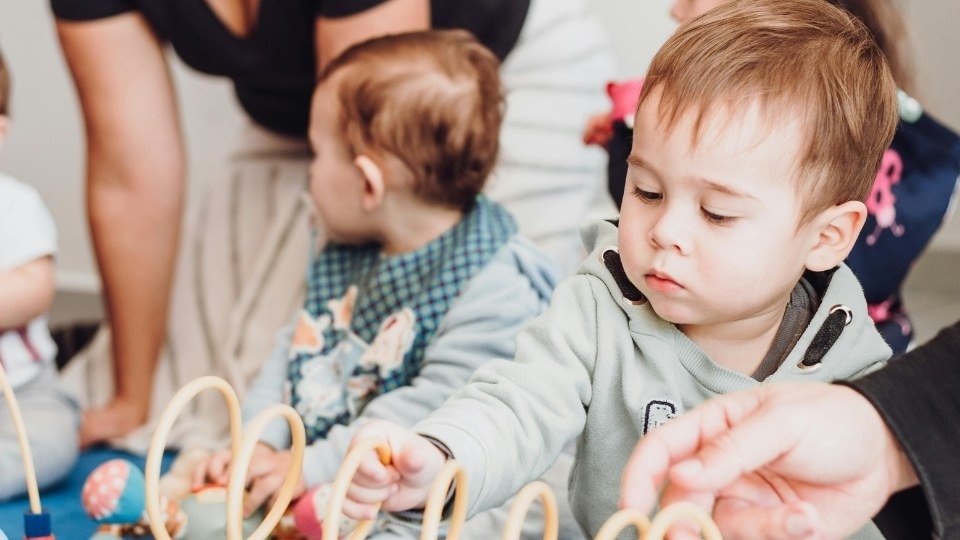
Social emotional learning cannot be effective if it operates on a one-size-fits-all model. Student emotional well being is shaped by identity, culture, lived experience, and systemic factors that vary enormously across communities.
The RAND Corporation’s 2024 study on SEL for high school students explicitly recommended that districts weave equity into every layer of social emotional well being practices, with targeted supports for students of color, female teens, and LGBTQ+ youth the same groups that CDC data identifies as carrying disproportionate emotional burdens.
Culturally responsive SEL means selecting curriculum materials that reflect diverse experiences, training staff to recognize how cultural backgrounds shape emotional expression, and creating space for students to bring their full identities into the classroom without judgment.
Key Takeaways
The social emotional well being of students is not a supplementary concern it is a structural prerequisite for learning, healthy development, and long-term success. The research base spanning CASEL’s meta-analyses, CDC surveillance data, RAND implementation studies, and Yale’s clinical findings all converge on the same conclusion: when schools, families, and communities invest deliberately in students’ emotional health, academic performance rises, behavioral problems decline, and young people develop the resilience they need to navigate an increasingly complex world.
Every adult connected to a young person’s life has a role to play. Start with one actionable step a daily classroom check-in, a family conversation about emotions, a district-level SEL audit and build from there. Share this article with a colleague or parent who would benefit from understanding why student emotional well being deserves the same attention as test scores.
What is social emotional well being of students?
Social emotional well being of students refers to their capacity to understand and manage emotions, build positive relationships, demonstrate empathy, and make responsible decisions. It encompasses how safe, connected, and emotionally supported a student feels within their school, home, and community environments.
Why is social emotional learning important in schools?
Social emotional learning equips students with the internal skills they need to focus, collaborate, and persist through academic challenges. Research from CASEL shows that students in high-quality SEL programs perform an average of 11 percentile points higher on academic assessments and experience fewer behavioral and emotional difficulties.
How does social emotional well being affect academic performance?
Chronic emotional distress activates the brain’s stress response system, reducing access to the prefrontal cortex functions needed for attention, memory, and reasoning. Students who feel emotionally safe and socially connected are physiologically better positioned to absorb, retain, and apply new information in the classroom.
What are the five core SEL competencies?
The five competencies identified by CASEL are self-awareness, self-management, social awareness, relationship skills, and responsible decision-making. Together, they form a framework that schools use to structure social emotional instruction across all grade levels.
How can parents support their child’s social emotional development?
Parents can model healthy emotional expression, maintain consistent routines, show genuine interest in their child’s social experiences, and validate difficult feelings without dismissing them. CDC research identifies parental monitoring and consistent basic-needs fulfillment as protective factors against poor mental health outcomes in adolescents.
What does the research say about SEL and long-term student outcomes?
A follow-up meta-analysis cited by CASEL found that the academic benefits of SEL participation persisted up to 18 years after the initial program, regardless of students’ racial background, socioeconomic status, or geographic location. A cost-benefit analysis by Columbia University researchers estimated an eleven-dollar return for every dollar invested in evidence-based SEL programming.