Emotional attachment to objects shapes more of our inner lives than most of us notice it’s the reason a worn-out hoodie feels impossible to toss, or why your father’s old watch carries a weight no jeweler could ever appraise.
Far from being a quirk, this tendency is built into human psychology and supported by decades of research spanning psychoanalysis, consumer studies, and behavioral economics.
This guide walks through why these bonds form, when they start to hurt instead of help, and how to stay connected to what matters without letting your belongings run your home or your headspace.
Table of Contents
Defining the Phenomenon in Plain Language
In the simplest terms, emotional attachment to objects is the invisible thread linking a person to a physical item because of the memories, relationships, or sense of self it represents not because of the item’s financial or functional worth.
Scholars Mihaly Csikszentmihalyi and Eugene Rochberg-Halton explored this idea decades ago in their classic 1981 book The Meaning of Things: Domestic Symbols and the Self, where they documented how ordinary household items quietly carry the story of a person’s life.
Their work remains one of the foundational pillars of the field and is still cited across contemporary psychology research.
The Psychology Behind Why We Cling to Things
From Security Blankets to Wedding Rings
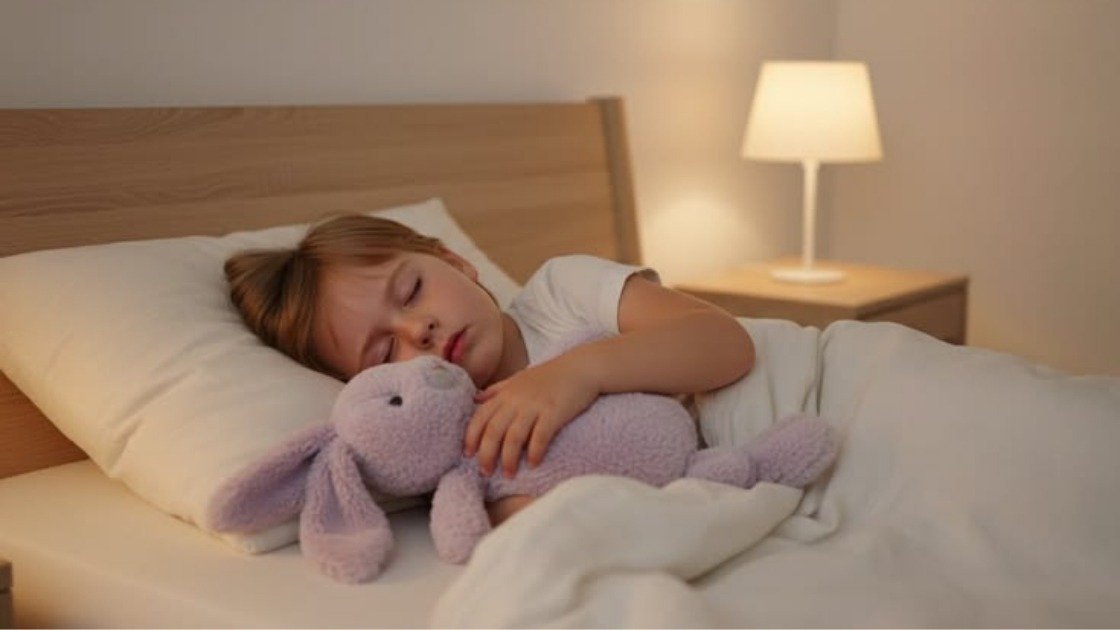
Our connection to meaningful possessions actually traces back to infancy. British pediatrician and psychoanalyst Donald Winnicott, writing in the International Journal of Psycho-Analysis in 1953, introduced the concept of transitional objects the blankets, stuffed animals, and small comfort items that help babies bridge the emotional gap when a caregiver leaves the room.
That same mechanism doesn’t retire with childhood. It graduates, reappearing later as engagement rings, heirlooms, tattoos, or the hoodie from college you refuse to retire.
The “Extended Self” and Possessions as Identity
Consumer behavior researcher Russell Belk proposed one of the most influential frameworks in this space: that our belongings genuinely become part of who we are. His 1988 paper in the Journal of Consumer Research, titled “Possessions and the Extended Self,” argues that damage to a cherished item can feel almost like damage to the self.
That is why losing a suitcase full of souvenirs abroad often hurts far more than it should. It isn’t just inventory it’s identity.
The Endowment Effect and Loss Aversion
Behavioral economics adds another layer. Nobel laureate Richard Thaler’s research, summarized accessibly on the American Psychological Association website, describes the endowment effect once we own something, we instinctively value it more than we did before owning it.
Paired with loss aversion, a principle developed by psychologists Daniel Kahneman and Amos Tversky, this helps explain why decluttering can feel emotionally draining. Every bag heading to the donation center triggers small flashes of loss.
These overlapping currents early comfort, self-extension, and loss aversion together produce what we experience as emotional attachment to objects in adulthood.
Everyday Examples of Sentimental Bonds
Small items often carry the largest emotional footprints. A few examples many people quietly recognize:
- A grandmother’s rosary tucked away in a drawer
- The first pair of baby shoes from a now-grown child
- A concert wristband from a trip that changed a friendship
- A handwritten card from a partner who has since passed
- The watch a parent wore at every milestone
- A book filled with margin notes in someone’s familiar handwriting
None of these would fetch much at a yard sale. Yet as sociologist Sherry Turkle describes in her MIT Press collection Evocative Objects: Things We Think With, items like these serve a different purpose we use them not just for living, but for thinking and feeling.
Where the Bond Becomes Burdensome
For the vast majority of people, emotional attachment to objects stays firmly in healthy territory. The concern arises only when these bonds start disrupting daily life, relationships, or basic living conditions.
Hoarding disorder is recognized as a standalone diagnosis in the DSM-5, the diagnostic manual published by the American Psychiatric Association. Smith College psychologist Randy Frost and Boston University professor Gail Steketee, longtime leaders in this field, argue in their book Stuff: Compulsive Hoarding and the Meaning of Things that severe object attachment often reflects unresolved grief, trauma, or a deep need for safety.
Separately, a study from the UCLA Center on Everyday Lives of Families linked cluttered homes with elevated cortisol levels in women a reminder that the weight of too much stuff isn’t just emotional, it’s physiological.
Here is a side-by-side view that can help you gauge where you fall:
| Dimension | Healthy Attachment | Problematic Attachment |
| Emotional response to discarding | Mild sadness or nostalgia | Intense panic or grief |
| Quantity kept | Small, selective, curated | Accumulating without limit |
| Impact on the home | Organized and livable | Cluttered, unsafe, or unusable |
| Purpose of the object | Anchors memory or identity | Soothes unprocessed emotion |
| Effect on relationships | Unaffected or strengthened | Strained or avoided |
| Flexibility in letting go | Possible with reflection | Feels threatening or impossible |
If several entries in the right-hand column sound familiar, a conversation with a licensed therapist particularly one trained in cognitive behavioral therapy is worth considering.
The Forces Driving the Bond
Across the research, a handful of common drivers keep surfacing when scholars study emotional attachment to objects. Understanding which one is pulling at you makes your decisions far clearer.
Memory preservation comes first items serve as external hard drives for moments the mind alone can’t reliably store. Identity construction sits close behind, because what we choose to keep quietly mirrors who we believe ourselves to be.
Grief and continued bonds play a significant role as well. Bereavement researchers have long documented how keepsakes linked to lost loved ones provide a felt sense of continued presence. Comfort during stress is another driver, since familiar possessions offer sensory reassurance when everything else feels uncertain.
Status and self-expression add a social layer, because belongings often signal values and taste to ourselves and others. The fear of forgetting quietly fuels many attachments, even though memories actually live within the person, not the object. Finally, cultural and generational meaning explains why heirlooms carry weight well beyond their original owners.
Keeping the Meaning, Losing the Mess
Letting go doesn’t have to mean loss. With a little intention, you can honor the emotional weight of an item while freeing up the physical and mental space around it.
Japanese organizing expert Marie Kondo popularized a gentle practice in her KonMari method: thanking each item before parting with it. A research summary from Harvard Health Publishing has also connected cluttered living spaces with higher baseline anxiety and reduced focus.
A few gentle strategies help most people move from keeping everything to keeping only what genuinely resonates.
Photograph the item before releasing it, so the memory lives on in an album rather than a box. Choose one representative piece from a larger collection a single framed ticket stub often carries more emotional power than a shoebox full of them.
Create a finite memory container with firm size limits, so your choices stay intentional rather than reactive. Journal the story behind an object; often the real treasure is the narrative, not the thing. Pass meaningful pieces to someone who will truly cherish them, extending the story rather than ending it.
Finally, apply a gentle time filter. If an item hasn’t been touched or thought about in several years and stirs no feeling, it may have quietly completed its purpose.

When It’s Time to Ask for Help
Some attachments stop being sweet and start feeling heavy. If you notice anxiety, avoidance, strained relationships, or an unsafe living environment building up around your belongings, that’s a signal worth respecting.
The International OCD Foundation offers trustworthy educational material on hoarding and a searchable directory of trained specialists. Reaching out isn’t a sign of weakness it’s one of the most self-aware steps a person can take.
Conclusion
Understanding emotional attachment to objects gives you back a quieter kind of power the freedom to choose what stays based on meaning rather than momentum.
Our bonds with possessions are deeply human. Objects hold stories we can’t always tell, preserve identities we’re still shaping, and soften the sharper edges of time. The goal isn’t to keep more or keep less it’s to keep consciously.
If this piece gave you something to think about, pick one item in your home today, sit with the feeling it brings up, and decide with intention whether to keep it or honor it by letting it go. Share your reflection in the comments or send this guide along to someone who might need it.
Why do some people become so attached to things?
Deep bonds with belongings usually come from a blend of memory, identity, and emotional comfort. As Russell Belk’s “extended self” theory explains, possessions often feel like genuine extensions of who we are, which is why letting them go can feel unexpectedly painful.
Is it a mental illness to form emotional attachment to objects?
Forming meaningful connections with items is a universal human experience, not a disorder. It only becomes a clinical concern such as hoarding disorder listed in the DSM-5 when the attachment disrupts daily functioning, relationships, or safe living conditions.
What is the difference between sentimental value and attachment?
Sentimental value describes the personal, emotional worth assigned to an object, while attachment describes the ongoing psychological bond between person and item. One is a perceived property of the thing; the other is the lived relationship over time.
How can I let go of items with deep sentimental meaning?
Photographing the item, journaling the memory, or keeping one representative piece from a larger collection are gentle starting points. Techniques from the KonMari method such as acknowledging and thanking the object before releasing it can make the process feel honoring rather than harsh.
Can keeping too many sentimental items affect mental health?
Research from the UCLA Center on Everyday Lives of Families suggests that visually cluttered homes correlate with higher stress markers, especially in women. Work by Randy Frost and Gail Steketee further shows that extreme attachment frequently overlaps with unresolved grief, trauma, or insecurity.
What are transitional objects in psychology?
Transitional objects are items like blankets or stuffed toys that help young children manage separation from caregivers, a concept first described by psychoanalyst Donald Winnicott in 1953. They reveal how humans use physical items for emotional regulation from the earliest months of life a pattern that continues quietly into adulthood.