
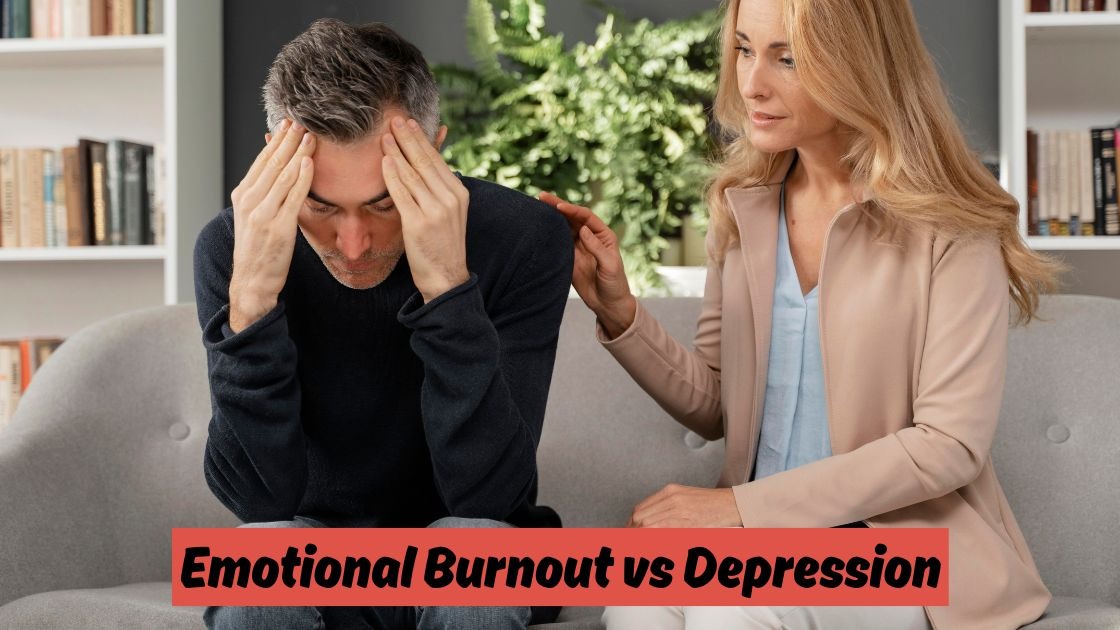
Emotional burnout and depression share overlapping symptoms exhaustion, low motivation, and difficulty concentrating but they are fundamentally different conditions. Burnout is a stress-driven response tied to specific circumstances, most often work. Depression is a clinical mental health disorder that affects every area of life regardless of external triggers.
Confusing one for the other can lead to the wrong treatment approach. According to InformedHealth.org (NCBI), people who are exhausted solely from work-related stress may recover with extended rest or a change in environment, while those with depression typically need professional intervention such as therapy or medication. Taking a vacation will not resolve clinical depression and misdiagnosing it as burnout delays critical care.
A 2019 systematic review and meta-analysis published in Frontiers in Psychology examined the burnout-depression relationship across multiple studies and concluded that while the two are closely correlated, they remain distinct constructs with separate underlying mechanisms.
Understanding where one ends and the other begins is essential for your mental health. This guide explains the differences in a clear and simple way.
Table of Contents
What Is Emotional Burnout?
Emotional burnout is a state of chronic physical, mental, and emotional exhaustion caused by prolonged, unmanaged stress most commonly from work. It is not considered a medical illness or a psychological disorder.
The World Health Organization (WHO) officially included burnout in the ICD-11 (International Classification of Diseases, 11th Revision) as an “occupational phenomenon,” not a medical diagnosis. According to the WHO, burnout is characterized by three core dimensions:
- Energy depletion or exhaustion feeling physically and emotionally drained beyond normal tiredness.
- Cynicism and mental detachment growing negativity, irritability, or emotional distance from your job and colleagues.
- Reduced professional effectiveness struggling to perform tasks that previously felt manageable, alongside a persistent sense of inadequacy at work.
The concept was first introduced in the 1970s by American psychologist Herbert Freudenberger, who observed it primarily among caregiving professionals. Today, it extends far beyond healthcare. A 2022 Microsoft workplace survey found that nearly 50% of employees across 11 countries reported feeling burned out at work.
The critical distinction is that burnout has a traceable external cause. Eliminate or greatly minimize the underlying stressor, and healing can often occur without medical intervention.
What Is Depression?
Depression (major depressive disorder) is a diagnosable mental health condition that affects mood, thinking, behavior, and physical functioning across all domains of life not just work. Unlike burnout, it does not require an identifiable external trigger.
The National Institute of Mental Health (NIMH) defines depression as a condition causing severe symptoms that disrupt how a person sleeps, eats, works, and engages with daily activities. According to NIMH data, an estimated 21 million adults in the United States experienced at least one major depressive episode in 2021, representing approximately 8.3% of the adult population.
Core symptoms of depression include:
- Persistent sadness, emptiness, or hopelessness lasting two weeks or longer
- A reduced ability to feel enjoyment or interest in activities that were previously pleasurable (anhedonia).
- Significant changes in appetite or weight
- Sleep disturbances either insomnia or excessive sleeping
- Fatigue or complete loss of energy
- Feelings of worthlessness or excessive guilt
- Difficulty concentrating or making decisions
- Recurrent thoughts of death or suicide
Depression has biological, genetic, environmental, and psychological roots. It does not simply resolve by removing a stressful situation or taking time off. Professional treatment including psychotherapy, medication, or a combination of both is typically required.
Emotional Burnout vs Depression: Side-by-Side Comparison
The fastest way to distinguish burnout from depression is to look at the scope. Burnout stays tied to a specific stressor. Depression infiltrates everything.
| Factor | Emotional Burnout | Depression |
| Classification | Occupational phenomenon (WHO ICD-11) | Clinical mental health disorder (DSM-5) |
| Root cause | Chronic workplace or situational stress | Biological, genetic, psychological, or environmental often no single identifiable trigger |
| Scope of impact | Primarily work or the specific stress source | All areas of life relationships, hobbies, self-care, work |
| Key emotional tone | Cynicism, detachment, frustration | Sadness, hopelessness, worthlessness |
| Recovery path | Rest, boundaries, lifestyle changes may resolve it | Professional treatment usually required (therapy, medication) |
| Suicidal thoughts | Uncommon | Can be a core symptom |
| Duration trigger | Eases when the stressor is removed | Persists regardless of external changes |
A 2023 study published in the Journal of Affective Disorders compared burnout and depression groups using the Sydney Burnout Measure and found nuanced differences: participants with depression reported significantly higher rates of depressed mood, loss of pleasure, lowered self-worth, and passive suicidal thinking compared to those experiencing burnout alone.
Overlapping Symptoms That Cause Confusion
Burnout and depression share several symptoms, which is exactly why so many people struggle to tell them apart. Recognizing the overlap and the subtle differences within it is the first step toward getting the right support.
Symptoms common to both conditions include:
- Chronic fatigue feeling drained even after a full night of sleep
- Difficulty concentrating struggling to focus on tasks or retain information
- Irritability shorter temper and lower tolerance for everyday frustrations
- Sleep disruption either difficulty falling asleep or sleeping far more than usual
- Withdrawal from social activities pulling back from friends, family, or coworkers
A 2022 study published in ScienceDirect analyzing burnout and depression among nursing professionals found that fatigue and low energy acted as “bridge symptoms” meaning they connected the two conditions and made clinical separation especially difficult. The researchers concluded that these overlapping fatigue indicators often serve as early warning signs that milder burnout is escalating into something more severe.
The key differentiator lies in scope and self-worth. Burnout typically leaves your sense of identity intact outside of work. Depression, however, tends to erode how you feel about yourself as a person across relationships, hobbies, and daily life. If the exhaustion and negativity follow you everywhere, regardless of the setting, depression is the more likely explanation.
Can Burnout Turn Into Depression?
Yes. Untreated burnout can progress into clinical depression over time. When chronic stress goes unaddressed, the emotional toll gradually extends beyond the original source and begins affecting your overall mental health.
According to InformedHealth.org (NCBI), burnout may not always involve depression, but it significantly raises the risk of developing a depressive episode. The prolonged state of emotional depletion weakens psychological resilience, making a person increasingly vulnerable to the deeper hopelessness, worthlessness, and anhedonia that characterize depression.
A 2024 study published in Health Psychology examined over 10,000 participants across four European countries and multiple patient groups. The researchers found that while burnout and depression share a strong common core of psychological distress, they maintain distinct characteristics but also confirmed that one can feed into the other when left unmanaged.
This progression typically follows a pattern:
- Stage one persistent work-related exhaustion that rest does not fully resolve
- Stage two cynicism and detachment spread beyond the workplace into personal relationships
- Stage three feelings of hopelessness, worthlessness, and loss of pleasure emerge across all areas of life signaling a likely depressive episode
If you notice your burnout symptoms expanding beyond the original stressor, that is a strong signal to seek professional evaluation rather than waiting it out.

How Each Condition Is Treated
Burnout and depression require fundamentally different recovery strategies, which is why accurate identification matters so much.
Treating Emotional Burnout
Burnout recovery centers on removing or reducing the stressor and rebuilding depleted energy reserves. Effective approaches include:
- Setting firm boundaries at work limiting overtime, delegating tasks, and learning to say no
- Taking extended rest using vacation time or a leave of absence to physically and mentally recover
- Reassessing workload and environment sometimes the fix requires a role change, a new manager, or a different workplace entirely
- Incorporating stress-management habits regular exercise, mindfulness practices, adequate sleep, and social connection
Treating Depression
Depression typically requires clinical intervention. The National Institute of Mental Health (NIMH) identifies the following as standard treatment options:
- Psychotherapy cognitive behavioral therapy (CBT) and interpersonal therapy are among the most evidence-backed approaches
- Medication antidepressants such as SSRIs or SNRIs, prescribed and monitored by a healthcare provider
- Combination treatment therapy and medication used together, which research consistently shows produces the strongest outcomes for moderate to severe depression
- Lifestyle adjustments exercise, sleep hygiene, and social support serve as complementary strategies but are rarely sufficient as standalone treatments for clinical depression
The critical takeaway: rest and boundaries may resolve burnout, but depression usually demands structured professional care. If lifestyle changes alone are not working after several weeks, consult a mental health professional.
Conclusion: Recognizing What You Are Experiencing
The distinction between emotional burnout and depression is not always obvious, but it is profoundly important. Burnout is rooted in specific, identifiable stressors most often work and tends to improve when those stressors are addressed. Depression reaches into every corner of your life, persists regardless of circumstances, and generally requires professional treatment to resolve.
Neither condition deserves to be dismissed or minimized. If you are feeling chronically exhausted, detached, or hopeless, take it seriously. Start by asking yourself one clarifying question: Does this feeling lift when I step away from the stressor, or does it follow me everywhere? That answer alone can point you in the right direction.
If this article helped you understand what you are going through, share it with someone who might be struggling too. And if you are unsure whether you are dealing with burnout or depression, reach out to a licensed therapist or your primary care physician getting the right answer is the first step toward feeling better.
Frequently Asked Questions
Is emotional burnout the same as depression? No. Burnout is a stress-driven response to specific circumstances, typically workplace-related, and is classified by the WHO as an occupational phenomenon rather than a medical condition. Depression is a clinical mental health disorder recognized in the DSM-5 that affects all areas of life and usually requires professional treatment.
Can you have burnout and depression at the same time? Yes, the two can co-exist. A person may begin with burnout that, if left unaddressed, escalates into a depressive episode. Research published in Health Psychology (2024) confirmed that both conditions share a core of psychological distress and can reinforce each other over time.
How do I know if I am burned out or depressed? The most reliable indicator is scope. If your exhaustion, negativity, and detachment are concentrated around one area of life usually work burnout is more likely. If those feelings pervade your relationships, hobbies, self-image, and daily functioning with no clear external trigger, depression is the stronger possibility.
Will taking a vacation cure burnout? Extended rest can significantly help with burnout by breaking the cycle of chronic stress. However, if your symptoms persist or worsen even after a meaningful break from the stressor, this may indicate that burnout has progressed into depression, and professional evaluation is recommended.
What should I do if I think I have depression, not just burnout? Schedule an appointment with a licensed mental health professional or your primary care doctor. A proper assessment can distinguish between the two conditions and guide you toward the appropriate treatment, whether that involves therapy, medication, or both.
Does burnout always lead to depression? Not necessarily. Many people recover from burnout through lifestyle changes, boundary-setting, and stress reduction without ever developing depression. However, prolonged, unmanaged burnout does increase the risk, which is why early intervention matters.