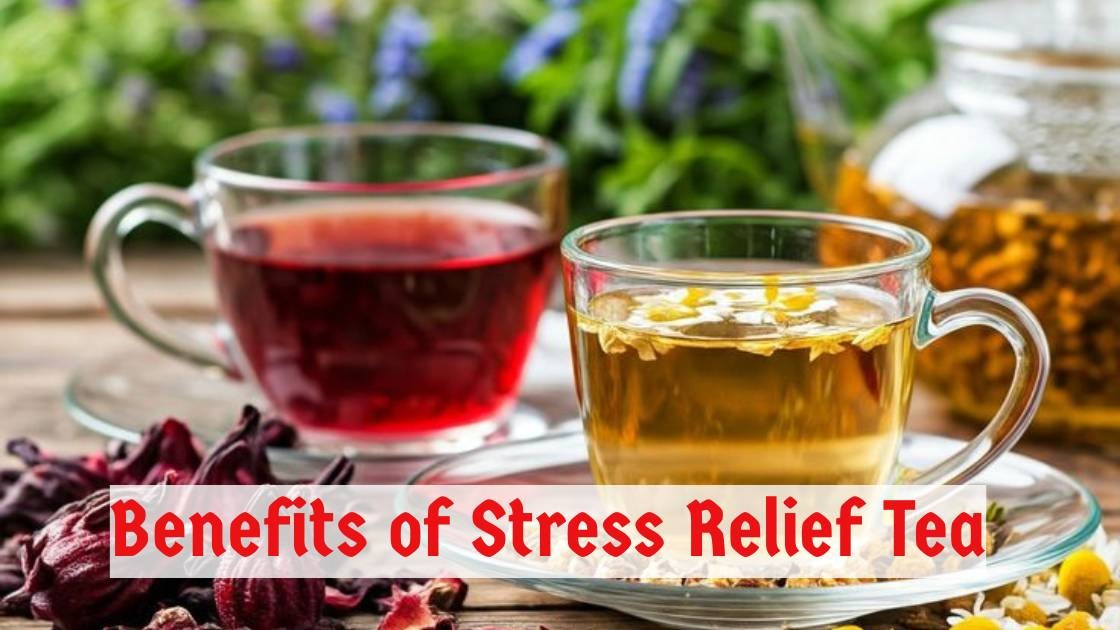
Benefits of stress relief tea offers concrete advantages for both your mind and body including reduced cortisol production, calmer nerves, deeper sleep, and sharper mental clarity. These outcomes are not wishful thinking or marketing hype. They are backed by peer-reviewed clinical evidence from researchers at University College London, the University of Shizuoka, and the University of Pennsylvania, among others.
If you have been exploring natural, budget-friendly strategies to tame everyday stress, herbal and traditional teas represent one of the simplest entry points available. This guide explains precisely how relaxation-promoting teas influence your physiology, which specific varieties have the strongest research behind them, and how to create a sustainable tea-based calming ritual that delivers lasting results.
Table of Contents
What Exactly Is Benefits of Stress Relief Tea and What Makes It Effective?
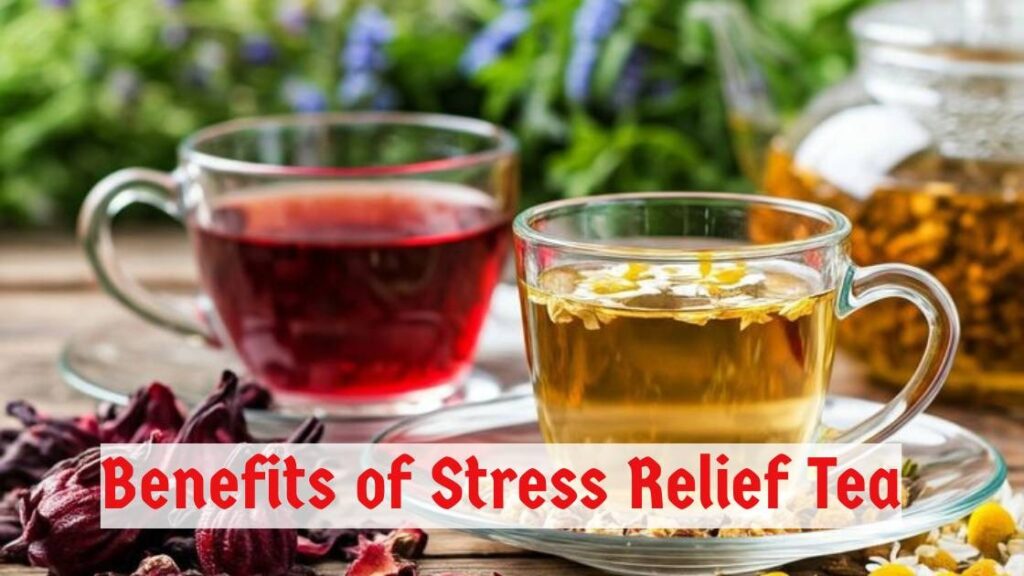
A stress relief tea is any herbal blend or traditional tea (derived from the Camellia sinensis plant) containing naturally occurring compounds that have been demonstrated to encourage relaxation and dial down the body’s stress reaction. The key bioactive players include L-theanine, apigenin, and a range of polyphenols all of which directly interact with neurotransmitter pathways in your brain.
A comprehensive 2024 review in Food Research International revealed that active compounds found in tea such as L-theanine, GABA, and catechins modulate serotonin, dopamine, and brain-derived neurotrophic factor (BDNF) activity. These pathways help transition your nervous system out of a reactive, hypervigilant mode and toward a steadier, more relaxed state.
Put simply, choosing the right tea can create a genuine neurochemical shift toward relaxation driven not by expectation alone, but by well-established biological mechanisms.
Five Evidence-Based Benefits of Drinking Stress Relief Tea
1. Brings Down Cortisol and Physical Stress Indicators
Cortisol is the primary hormone your body pumps out during stressful moments. When cortisol stays elevated for extended periods, it can trigger weight gain, disrupt sleep patterns, suppress immune defenses, and strain your cardiovascular system.
A pivotal study in the journal Psychopharmacology conducted at University College London discovered that volunteers who consumed black tea four times each day over a six-week span had notably lower cortisol readings following stressful tasks than those assigned to a placebo beverage. The tea group also demonstrated decreased blood platelet activation a marker directly associated with elevated heart attack risk.
In addition, a randomized crossover trial published in Nutrients (2021) showed that just one 200 mg serving of L-theanine the calming amino acid naturally present in green and black tea led to a measurable decline in salivary cortisol within sixty minutes of intake.
2. Relieves Anxiety Without Causing Drowsiness
Prescription anti-anxiety medications often come with sedation or mental fog as trade-offs. Calming teas, by contrast, can soften anxious thoughts while keeping your mind clear and functional.
Chamomile is the standout performer in this category. A randomized clinical trial run at the University of Pennsylvania recruited 179 individuals diagnosed with moderate-to-severe generalized anxiety disorder (GAD). Following 12 weeks of chamomile extract therapy, more than half of all participants achieved clinical response criteria. A subsequent phase of the same study demonstrated that ongoing chamomile use kept GAD symptoms significantly lower compared to participants who were switched to placebo.
A 2024 systematic review in Clinical Nutrition Research corroborated these outcomes across numerous trials, finding that regular oral chamomile consumption meaningfully reduces anxiety symptoms and that no serious side effects were documented in any of the reviewed studies.
3. Strengthens Sleep Quality and Helps You Stay Asleep Longer
Stress and poor sleep reinforce each other in a vicious feedback loop. Relaxation-promoting teas offer a practical way to interrupt that cycle.
Chamomile again tops the evidence list here. A meta-analysis in Phytotherapy Research (2019) pooled findings from 12 randomized controlled trials and confirmed that chamomile use produced statistically significant gains in sleep quality measurements.
Lavender tea presents a compelling alternative as well. A clinical trial reported in Complementary Therapies in Medicine found that older adults who drank lavender herbal tea twice per day for a two-week period showed meaningful decreases in both depression and anxiety scores two conditions closely linked to disrupted sleep.
Side-by-Side Comparison: Leading Stress Relief Teas and Their Active Compounds
| Tea Type | Key Active Compound | Core Benefit | Caffeine Content |
| Green Tea | L-theanine, EGCG | Lowers cortisol, promotes focused calm | Low to moderate |
| Chamomile | Apigenin | Eases anxiety, supports sleep | None |
| Lavender | Linalool, linalyl acetate | Reduces depression and anxious feelings | None |
| Passionflower | Chrysin, flavonoids | Enhances sleep, calms the nervous system | None |
| Lemon Balm | Rosmarinic acid | Elevates mood, eases stress symptoms | None |
| Black Tea | L-theanine, polyphenols | Speeds post-stress recovery, reduces cortisol | Moderate |
| Matcha | L-theanine, arginine, EGCG | Provides lasting stress relief, sharpens focus | Moderate to high |
How L-Theanine Found in Tea Directly Counteracts Your Stress Response
L-theanine warrants dedicated attention because it stands as perhaps the most extensively researched natural calming compound present in tea leaves. This unique amino acid passes through the blood-brain barrier and acts on brain function without delay.
Here is a summary of what the clinical evidence confirms:
- Elevates alpha brain wave production alpha waves correspond to a mental state of relaxed attentiveness, that productive zone between feeling tense and feeling sluggish. A 2021 clinical trial in Nutrients recorded significant boosts in both frontal and whole-scalp alpha wave power following a single 200 mg dose of L-theanine.
- Activates critical neurotransmitter systems L-theanine stimulates the synthesis of GABA, serotonin, and dopamine, according to an in-depth review published in Food Science and Human Wellness (2022). These three neurochemicals are central regulators of mood, motivation, and the relaxation response.
- Progressively lowers stress-linked symptoms a placebo-controlled trial featured in Nutrients (2019) demonstrated that four consecutive weeks of daily L-theanine intake (200 mg) resulted in reduced depression scores, lower trait anxiety, and fewer sleep disturbances among healthy adult participants.
Green tea, black tea, and matcha rank as the most concentrated natural food sources of L-theanine. Findings from the University of Shizuoka indicate that matcha’s distinctive amino acid makeup specifically its advantageous theanine-to-caffeine balance renders it particularly potent for stress reduction when consumed at roughly three grams daily.
The Tea Ritual Itself as a Stress Reducer (Beyond What Happens in Your Brain)
The advantages of stress relief tea reach further than biochemistry alone. The hands-on process of preparing, pouring, and slowly drinking tea serves as a natural mindfulness exercise one that grounds your focus firmly in the present moment.
A 2024 randomized controlled trial reported in JMIR mHealth and uHealth put this idea to a direct test. The research team assigned 100 healthy volunteers to either a guided tea meditation group (using matcha) or a conventional breathing meditation group. Over eight weeks, the tea meditation participants achieved significant stress reduction at both the four-week and eight-week checkpoints. They also registered meaningfully higher scores for relaxation and inner calm compared to those who practiced breathing exercises only.
These results indicate that the multi-sensory experience of making tea holding a warm vessel, breathing in fragrant steam, observing leaves steeping engages present-moment awareness in a way that amplifies the chemical calming effects. In other words, you receive the neurochemical benefits and the behavioral mindfulness advantages at the same time.
A Practical Tea Schedule for Managing Stress Throughout the Day
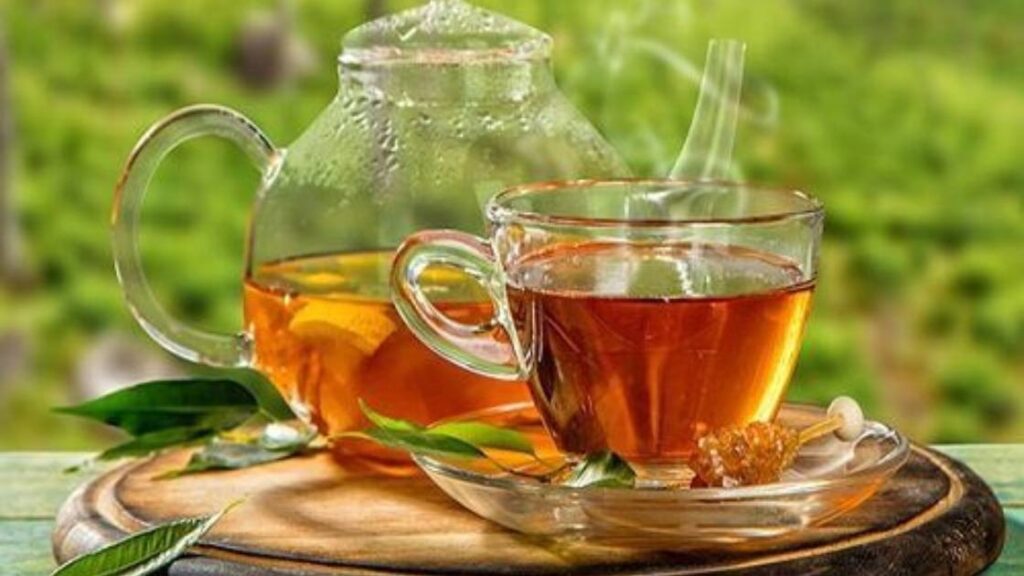
Sticking to a consistent routine strengthens the impact. Instead of reaching for calming tea at random moments, try aligning it with your day’s natural tension points.
| Time of Day | Suggested Tea | Reason This Timing Works |
| Morning (7–9 AM) | Green tea or matcha | L-theanine combined with gentle caffeine fosters alert relaxation without overstimulation |
| Midday (12–2 PM) | Lemon balm tea | Provides a mild mood lift during the afternoon slump; contains no caffeine |
| Evening (7–9 PM) | Chamomile or lavender | Encourages sleep readiness and helps the nervous system unwind; entirely caffeine-free |
Findings from the University of Shizuoka showed that approximately three grams of premium matcha each day delivered quantifiable stress relief during a clinical trial involving pharmacy students under practice-related pressure. For caffeine-free herbal options, one to two evening cups falls within the dosage range most commonly associated with positive study results.
Brewing Techniques That Draw Out Maximum Calming Properties
Not all cups of tea provide equal relaxation. The way you prepare your tea matters more than most people appreciate.
Water temperature is a critical variable. Steeping green tea in fully boiling water turns it bitter and degrades some of its fragile L-theanine. Target a range of 160–175°F (70–80°C) instead. Chamomile and lavender, however, need the full heat of boiling water at 212°F (100°C) to properly release their active constituents.
How long you steep also shapes the outcome. A 2024 study conducted at the University of Shizuoka, published in Molecules, established that the proportion of calming ingredients (theanine and arginine) versus stimulating ones (caffeine and EGCG) determines whether a particular green tea genuinely soothes or inadvertently heightens alertness. Keeping steeping time brief roughly 60 to 90 seconds for green tea helps maintain a stronger concentration of theanine relative to caffeine.
For herbal varieties such as chamomile, allowing a longer infusion of five to ten minutes ensures that the flavonoid apigenin fully dissolves into the water, unlocking its full anxiety-reducing potential.
Who Needs to Be Careful With Calming Teas?
Relaxation-promoting teas are safe for the vast majority of people, but specific groups should proceed thoughtfully.
The National Center for Complementary and Integrative Health (NCCIH) cautions that certain herbal teas may interact with prescription drugs. Chamomile, as one example, can intensify the sedating effects of benzodiazepines and other medications that suppress central nervous system activity. Anyone using blood-thinning drugs such as warfarin should also treat chamomile and ginger teas with care because of their potential influence on clotting factors.
Green tea consumed as a concentrated extract rather than an ordinary brewed cup has been documented to lower blood concentrations of the beta-blocker nadolol, based on evidence examined by the American Academy of Family Physicians (AAFP). Drinking one or two normally brewed cups of green tea per day is broadly regarded as safe, but high-potency supplements call for medical oversight.
Women who are pregnant or breastfeeding should speak with a healthcare professional before incorporating herbal teas into their routine, especially blends that contain passionflower, valerian, or concentrated lavender.
The bottom line: if you use any medication on a regular basis, let your doctor or pharmacist know about your tea habits. Standard servings of most brewed herbal teas pose very little risk, but staying informed prevents unwanted interactions.
Conclusion: A Science-Supported Sip Toward Lasting Calm
The benefits of drinking stress relief tea are tangible, reproducible, and backed by a growing body of clinical research. Trials from top-tier academic institutions confirm that teas packed with L-theanine, apigenin, and related bioactive compounds can meaningfully lower cortisol, alleviate anxiety, enhance sleep, and cultivate a calmer mental state all without the side-effect burden that often accompanies pharmaceutical options.
What gives tea a unique edge as a stress management strategy is its dual mechanism: it pairs proven neurochemical action with a naturally meditative ritual. Each step in the process from heating water to savoring the final drop creates a built-in opportunity to disconnect from pressure and recalibrate.
Begin with a single step. Pick one research-supported tea variety from the guide above, commit to drinking it at the same time each day, and observe how your body and mind respond over two to four weeks. Your nervous system is already wired for relaxation. Tea simply provides the invitation.
Have you experienced a shift in your stress levels since making tea part of your everyday routine? Share what you have noticed in the comments and if this article proved useful, send it to someone who deserves a more peaceful cup.
Frequently Asked Questions
Which tea is most effective for relieving stress and anxiety?
Chamomile holds the strongest research foundation for anxiety reduction among all teas. A clinical trial conducted at the University of Pennsylvania demonstrated that chamomile extract significantly decreased generalized anxiety disorder symptoms across a 12-week treatment period. Green tea and matcha are also highly regarded options thanks to their rich L-theanine content, which fosters calm mental clarity without any sedative effect.
How quickly can you feel the effects of a calming tea?
You may start noticing a difference within 30 to 60 minutes of your first cup. A randomized placebo-controlled trial in Nutrients (2021) confirmed that a single 200 mg dose of L-theanine triggered detectable cortisol reduction and increased alpha brain wave activity inside one hour. Achieving deeper, longer-lasting changes such as lower baseline anxiety and more consistent sleep typically requires daily tea consumption over a period of two to four weeks.
Is it safe to consume stress relief tea on a daily basis?
For most people, yes. Both the NCCIH and various published clinical trials report that chamomile and green tea are well tolerated when consumed daily for durations of eight weeks or more. That said, anyone currently taking prescription medication should verify with their healthcare provider that their preferred tea does not create an unwanted interaction with their drugs.
Can stress relief tea genuinely bring cortisol levels down?
Research says it can. A University College London study, published in Psychopharmacology, found that individuals who drank black tea four times per day for six weeks registered significantly lower cortisol after stressful episodes than a matched placebo group. Green tea’s L-theanine has similarly been connected to reduced salivary cortisol levels across multiple controlled trials.
Should I choose chamomile tea or green tea for managing stress?
Each serves a distinct purpose, so the ideal answer may be both. Chamomile is optimal for evening use it excels at promoting relaxation and easing anxiety while carrying zero caffeine. Green tea fits better into the morning or early afternoon because its L-theanine creates a state of calm focus paired with a gentle caffeine lift. A growing number of people alternate between green tea during daylight hours and chamomile after dinner.
Do calming herbal teas come with any side effects?
Adverse reactions from normally brewed herbal teas are rare when consumed in standard amounts. The NCCIH reports that chamomile may occasionally trigger mild nausea, light-headedness, or allergic responses in individuals who are sensitive to plants in the daisy family. Those with existing ragweed allergies should be especially cautious around chamomile. When herbal ingredients are processed into concentrated supplements or capsules, the likelihood of adverse reactions and drug interactions increases significantly compared to consuming them as conventionally prepared teas.