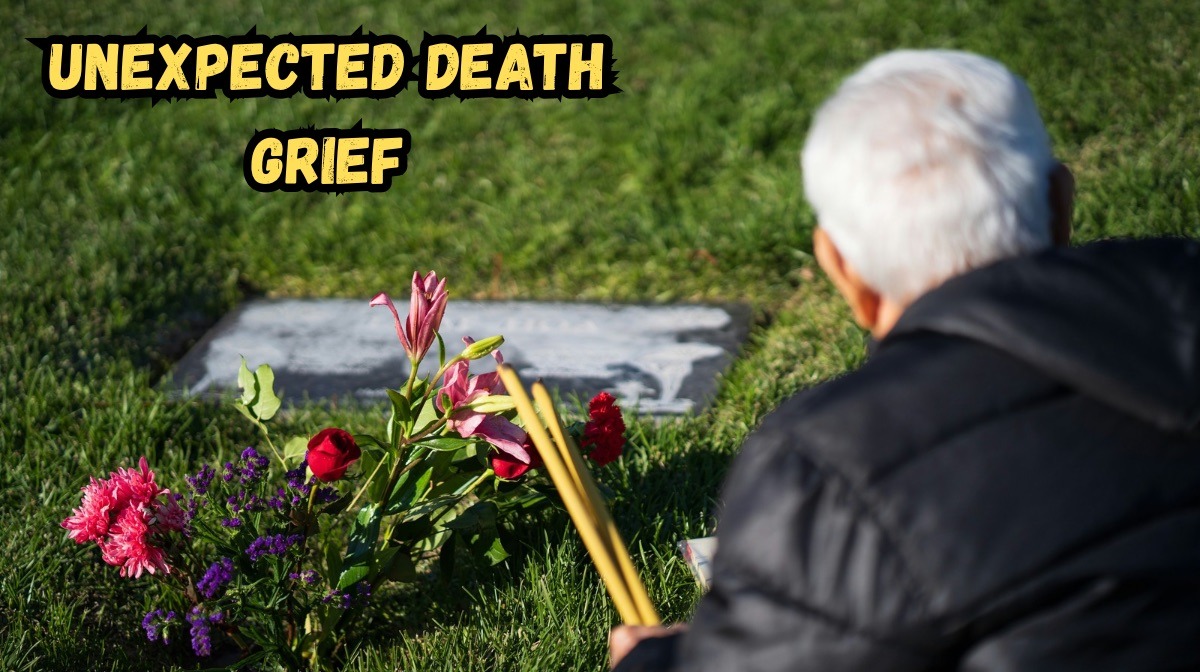
When unexpected death grief strikes, it shatters your world without warning leaving you gasping for answers that may never come. Unlike anticipated loss, sudden death robs you of goodbyes, preparation, and the chance to say what truly mattered. The shock can feel paralyzing, almost surreal, as if time itself has fractured.
This article explores the unique challenges of mourning someone taken too soon. You’ll discover why sudden loss triggers such intense emotional responses, how traumatic bereavement differs from other forms of grief, and practical ways to navigate this devastating journey. Whether you lost a loved one to an accident, medical emergency, or unforeseen tragedy, understanding your grief is the first step toward healing.
There is no roadmap for this pain but you don’t have to walk through it alone.
What Is Unexpected Death Grief?
Unexpected death grief refers to the profound emotional response that occurs when someone you love dies suddenly and without warning. This type of loss includes accidents, heart attacks, strokes, violence, or any death that happens without prior illness or preparation.
Unlike anticipatory grief, where you have time to mentally prepare, sudden loss leaves survivors in a state of disbelief. Your brain struggles to process what happened because there was no transition period.
How It Differs From Anticipated Loss
When death is expected, loved ones often experience grief before the actual passing. This allows for closure conversations and emotional preparation. However, unexpected death grief offers none of these comforts.
The differences include:
- No opportunity to say goodbye or resolve conflicts
- Intense shock that can last weeks or months
- Higher risk of developing complicated grief disorder
- Persistent feelings of guilt and regret
- Difficulty accepting the reality of the loss
The Emotional Impact of Sudden Loss
Traumatic bereavement affects every aspect of your being. The emotional trauma runs deeper because your mind had no warning to brace itself.
Common Reactions You May Experience
People experiencing unexpected death grief often report feeling:
- Numbness or emotional paralysis
- Intense anger toward the deceased, themselves, or others
- Overwhelming guilt about things left unsaid
- Persistent disbelief that refuses to fade
- Physical symptoms like chest pain, exhaustion, or appetite changes
These reactions are completely normal. Your nervous system is responding to a psychological shock that disrupted your entire worldview.
Why Shock Lasts Longer
When death comes without warning, your brain enters a protective state. This emotional numbness shields you from the full weight of pain initially. However, this means the grieving process often takes longer to truly begin.
Many survivors describe feeling like they are watching their life from outside their body. This dissociation is your mind’s way of coping with unbearable news.
Challenges of Mourning Someone Taken Too Soon
Unexpected death grief presents unique obstacles that complicate the healing journey.
The Search for Meaning
One of the hardest aspects is accepting that some deaths have no satisfying explanation. Survivors often become consumed with “why” questions that have no answers.
This search can become obsessive, preventing you from moving forward. Learning to sit with uncertainty is painful but necessary for recovery.
Relationship Strain
Sudden loss affects everyone differently. Family members may grieve at different paces, causing tension and misunderstandings. Some people withdraw while others need constant connection.
Supporting Each Other Through Differences
Open communication becomes essential during this time. Acknowledge that there is no correct way to grieve. Give each person space to process their emotional pain without judgment.

Finding a Path Toward Healing
While unexpected death grief never fully disappears, you can learn to carry it differently over time.
Professional Support Options
Grief counseling provides a safe space to process overwhelming emotions. Therapists trained in trauma-informed care understand the unique needs of sudden loss survivors.
Consider these resources:
- Individual therapy with a licensed grief counselor
- Support groups for sudden loss survivors
- Online communities offering 24/7 peer connection
- Crisis hotlines during particularly difficult moments
Self Care Practices That Help
Taking care of your physical body supports emotional healing. Small daily actions make a significant difference over time.
Helpful practices include:
- Maintaining regular sleep schedules even when rest feels impossible
- Eating nourishing foods to support your depleted system
- Gentle movement like walking or stretching
- Journaling to externalize painful thoughts
- Allowing yourself to feel without judgment
Moving Forward Without Forgetting
Unexpected death grief transforms you permanently. The goal is not returning to who you were before but integrating this loss into a new identity.
Many survivors eventually find meaning through honoring their loved one’s memory. Creating rituals, supporting causes they cared about, or simply speaking their name keeps their presence alive.
Healing is not linear. Some days will feel impossible while others bring unexpected peace. Both experiences are part of the journey toward learning to live alongside your loss.
Conclusion
Unexpected death grief represents one of life’s most devastating experiences. When someone you love dies without warning, the emotional trauma and shock can feel unbearable. Understanding that your reactions are normal helps validate your pain.
Remember that healing from sudden loss takes time and patience. Seeking grief counseling, joining support groups, and practicing self-care create foundations for recovery. You will never forget your loved one, but you can learn to carry this grief while building a meaningful life.
Your journey matters. Give yourself permission to mourn, heal, and eventually find hope again.