
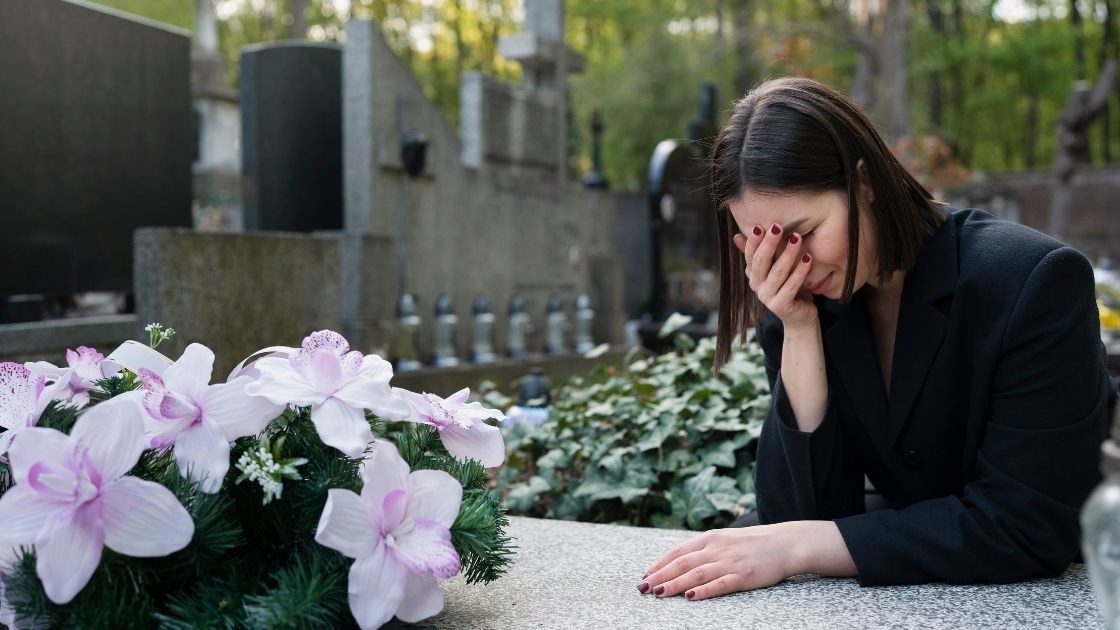
Closure after death is something nearly every grieving person searches for, yet very few fully understand what it looks like in practice. The ache of losing someone close does not follow a schedule, and the desire for emotional resolution can feel both urgent and impossibly distant at the same time.
If you are reading this, chances are you are carrying the weight of unresolved grief, unanswered questions, or a painful goodbye you never got to say. You are not alone in that experience, and more importantly, there are real, evidence-backed paths toward healing after bereavement.
Table of Contents
What Does Closure After Death Actually Mean?
Many people imagine closure as a single moment where pain disappears and acceptance arrives. In reality, finding peace after someone dies is far more gradual. It means reaching a point where the grief no longer controls your daily life, even though the love and loss remain.
Psychiatrist Elisabeth Kübler-Ross first popularized the concept of grief stages in her 1969 book On Death and Dying, and that framework still shapes how therapists approach bereavement counseling today. However, modern grief researchers emphasize that healing is not linear, and the idea of a clean endpoint can actually set people back.
Why Closure After a Loved One’s Death Matters for Your Health
Unresolved grief is not just an emotional burden. It carries measurable health consequences that make seeking emotional resolution after loss genuinely important.
According to the American Psychiatric Association, approximately 7 to 10 percent of bereaved adults develop prolonged grief disorder (PGD), a condition now formally recognized in the DSM-5-TR since March 2022. A 2024 cross-national analysis published in the Journal of Affective Disorders (Comtesse et al., 2024) found an average PGD prevalence of around 13 percent across international samples.
A 2024 survey study published in JAMA Network Open (Rheingold et al., 2024) observed presumptive prevalence rates of 20 percent for PGD, 34 percent for PTSD, and 30 percent for major depressive disorder among bereaved respondents in the United States. These numbers reveal that ignoring grief does not make it harmless.
| Health Risk of Unprocessed Grief | How It Manifests |
| Prolonged Grief Disorder | Intense yearning, identity confusion, emotional numbness lasting beyond 12 months |
| Major Depressive Disorder | Persistent sadness, loss of interest, fatigue, appetite changes |
| Post-Traumatic Stress | Flashbacks, avoidance behaviors, hypervigilance related to the death |
| Cardiovascular Problems | Elevated heart disease risk linked to chronic grief stress |
| Substance Misuse | Increased reliance on alcohol or drugs to numb emotional pain |
The University of Michigan School of Public Health notes that PGD is associated with increased suicidality, cardiovascular risk, and substance misuse, making professional intervention essential when grief becomes debilitating.
7 Steps to Find Closure After Death
Finding emotional peace after bereavement is not about forgetting. It is about integrating loss into your life in a way that allows you to function and eventually experience joy again. Here are seven actionable steps grounded in grief psychology.
- Acknowledge the loss fully. Avoidance delays healing. Allow yourself to sit with the reality that someone you love is gone, even when it hurts deeply.
- Write an unsent letter. Grief therapists frequently recommend writing to the deceased as a way to express unfinished thoughts, apologies, or gratitude you never had the chance to share.
- Seek grief counseling or therapy. According to the APA, cognitive-behavioral therapy has been shown to effectively reduce grief symptoms and is considered the most accepted treatment approach for prolonged grief disorder.
- Join a bereavement support group. Connecting with others who share your experience reduces isolation. Research cited by the APA indicates that peer support groups help bereaved individuals avoid the social withdrawal that worsens PGD risk.
- Create a meaningful tribute. Plant a memorial garden, start a scholarship, or build a memory book. Channeling grief into purposeful action can shift your emotional relationship with loss.
- Establish new rituals. Lighting a candle on their birthday, visiting a meaningful place, or cooking their favorite meal creates ongoing connection without requiring “moving on.”
- Give yourself permission to feel joy. Guilt about happiness is one of the most common barriers to closure after death. Healing does not mean betrayal.
Who Struggles Most With Finding Closure?
Not all grief experiences are equal. Certain circumstances make the road to emotional resolution significantly harder.
| Risk Factor | Why It Complicates Closure |
| Sudden or traumatic death | No opportunity for goodbye; shock compounds grief |
| Unresolved relationship conflict | Guilt, regret, and “what ifs” prevent acceptance |
| Death of a child or young person | Defies natural life expectations; grief is especially intense |
| Loss during caregiving | Caregiver burnout mixed with bereavement creates layered pain |
| Limited social support | Isolation amplifies grief and slows recovery |
Research published in the Journal of Affective Disorders confirms that deaths from unnatural causes carry PGD prevalence rates between 33 and 65 percent, far exceeding rates from natural deaths. This underscores why people who experience violent or accidental loss often need specialized grief support.

When to Seek Professional Help for Grief
If your grief is interfering with work, relationships, or basic self-care beyond six months after the loss, it may be time to speak with a mental health professional. Prolonged Grief Disorder Therapy, a structured treatment focusing on acceptance and restoration, has shown strong outcomes in clinical settings.
Warning signs include persistent inability to accept the death, complete emotional numbness, withdrawal from all social contact, and recurring thoughts of wanting to die to reunite with the deceased.
Conclusion
Closure after death is not a switch you flip. It is a gradual, deeply personal process of learning to carry loss while still choosing to live fully. The evidence is clear that unprocessed grief poses serious risks to both mental and physical health, but it is equally clear that effective paths to healing exist.
Whether you write that unsent letter, join a support group, or simply allow yourself to grieve without a deadline, every small step matters. Grief does not have an expiration date, and neither does your right to seek peace.
If this resonated with you, share it with someone who might be silently carrying their own grief. Sometimes knowing you are not alone is the first step toward healing.
Q1: Is it normal to never feel closure after someone dies?
Yes, many grief experts believe that complete closure is a myth. Instead, most people reach a place of gradual acceptance where grief softens but never fully disappears. This ongoing connection to the person you lost is a healthy part of the human experience.
Q2: How long does it take to find peace after a loved one’s death?
There is no fixed timeline for grief recovery. Some individuals begin to feel functional within several months, while others take years. The American Psychiatric Association notes that grief symptoms persisting with severe impairment beyond six months may indicate prolonged grief disorder requiring professional evaluation.
Q3: Can writing a letter to someone who has died help with closure?
Many grief therapists recommend writing unsent letters as a therapeutic exercise. It allows you to express regret, love, or unfinished thoughts in a safe and private way, which can significantly ease the burden of unresolved emotions after bereavement.
Q4: What is prolonged grief disorder and how is it different from normal grief?
Prolonged grief disorder is a clinical condition added to the DSM-5-TR in 2022. It involves intense yearning, preoccupation with the deceased, and significant functional impairment lasting beyond six to twelve months. Unlike typical grief, PGD does not gradually improve without targeted intervention.
Q5: Does grief counseling actually work for finding closure after death?
Research strongly supports the effectiveness of grief counseling, particularly cognitive-behavioral approaches. Studies reviewed by the APA show that structured therapy helps reduce symptoms of prolonged grief, depression, and anxiety in bereaved individuals, making professional support one of the most reliable paths to emotional healing.
Q6: Can unresolved grief cause physical health problems?
Absolutely. The University of Michigan School of Public Health links prolonged grief disorder to increased cardiovascular risk, weakened immune function, and higher rates of substance misuse. Chronic emotional stress from unprocessed grief places measurable strain on the body over time.