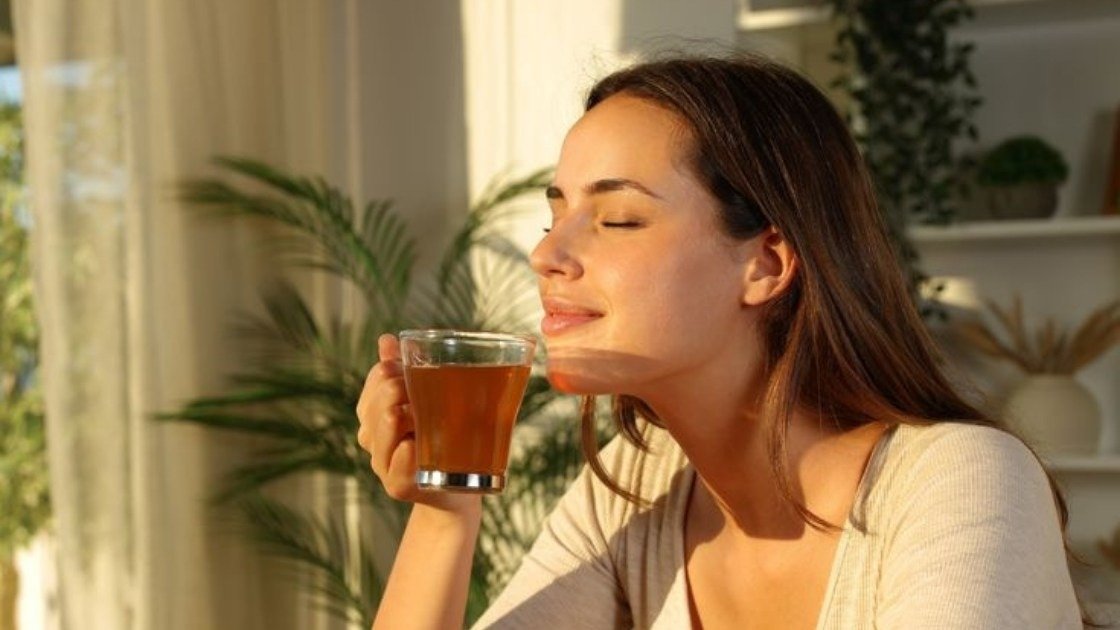
Drinking tea for self love is one of the oldest and softest forms of healing we have a full pause tucked inside a single cup.
If self-care advice often feels expensive, performative, or impossible to squeeze into a real workday, this gentler entry point may be the one that finally sticks. All you need is water, warmth, and ten minutes that genuinely belong to you.
Below, I’ll share what this ritual looks like in real life, which herbal blends suit which feelings, and how to keep the habit alive when life gets loud.
Table of Contents

What the Ritual Actually Means
At its core, tea for self love is the intentional pairing of a calming brew with a moment of undivided presence. You are not simply hydrating you are practicing a small, repeatable form of self-kindness that your nervous system recognizes over time.
This is different from grabbing coffee between meetings. It invites attention: the whistle of the kettle, the rising steam, the weight of the cup in your palms. In the Japanese tradition of chanoyu, even folding a cloth carries meaning. You don’t need anything that formal but you can absolutely borrow the spirit.
The Science Behind Why It Soothes
Real research supports what steady tea drinkers have always intuited.
The National Center for Complementary and Integrative Health notes that chamomile has long been used to ease mild anxiety and support better sleep, with early clinical evidence showing measurable calming effects in sensitive individuals.
Green tea contains L-theanine, an amino acid that Harvard Health Publishing associates with a relaxed-yet-alert mental state often described as calm focus.
A widely cited trial led by Professor Andrew Steptoe at University College London, published in the journal Psychopharmacology, found that regular black tea consumption was linked to faster cortisol recovery following stressful tasks. In plain terms, the drink and the ritual around it may help the body return to baseline more quickly.
The cup supports the practice, and the practice supports the body.
Cultural Roots Worth Knowing
Using tea as a self-care tool is far from new. The Chinese gongfu tradition, the Japanese matcha ceremony, the Moroccan mint pour, and the Ayurvedic use of herbal decoctions all treat tea as something between medicine and meditation.
Each culture emphasizes a slightly different quality precision, patience, hospitality, balance yet all arrive at the same insight: a warm cup, taken with care, gently changes the inner weather.
When you sit with your brew rather than rushing through it, you step into a lineage that stretches back thousands of years.
Best Teas for Different Emotional States
Different blends support different feelings. These are the ones I reach for most often, grouped by what they tend to do best:
- Chamomile softens tension and preps the body for rest
- Lavender eases worry and low-grade overwhelm
- Lemon balm quiets looping, racing thoughts
- Green tea steady daytime focus without jitters
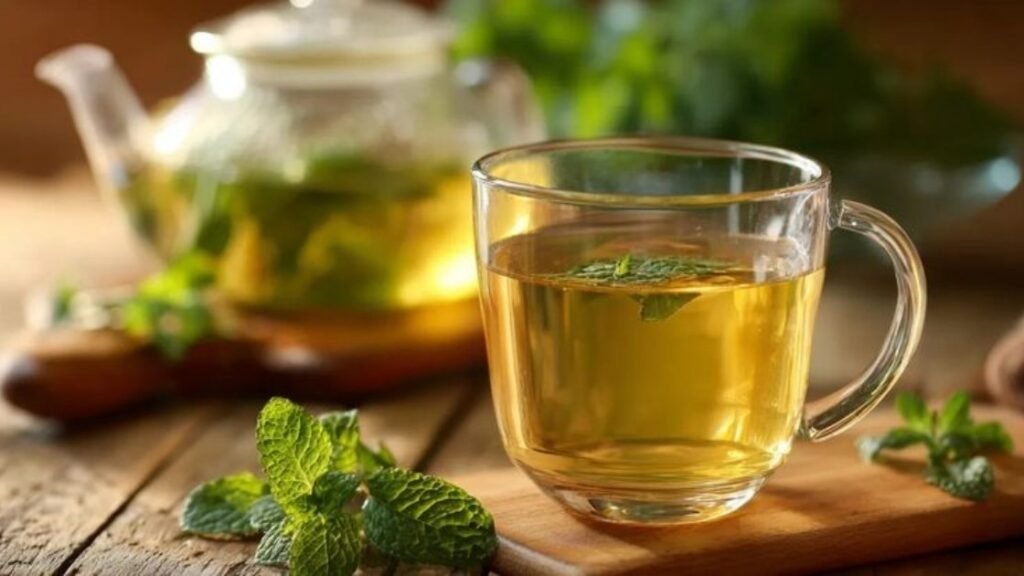
- Peppermint a light mental reset after meals
- Rooibos caffeine-free comfort at any hour
- Hibiscus a warming lift, rich in antioxidants
- Tulsi (holy basil) traditionally used for resilience under stress
Rotate based on what the day is actually asking for. A heavy Monday may call for lavender; a restless Sunday night may reach for chamomile.
Building a Ritual That Survives Hard Days
A ritual only works if it’s repeatable. In my own practice, tea for self love only took root once I stopped treating it as an event.
Pick one consistent time morning, post-lunch, or evening. Choose a cup you genuinely enjoy holding. Boil the water without scrolling. Watch the steep for the full two to five minutes. Sit somewhere that feels like yours, put the phone face-down, and sip slowly enough to notice the first three flavors.
Finish the cup before opening anything else. That is the entire practice.
Small, unremarkable, and quietly life-changing.
Tea for Specific Emotional States
Some days ask for more than a generic wellness cup. Here is how I think about tea for self love when a particular feeling is loud.
For burnout, rooibos or tulsi work well both are caffeine-free and traditionally linked with nervous system support. Pair the cup with ten minutes of doing absolutely nothing productive.
For grief, chamomile or lemon balm are gentle companions. Nothing fixes grief, but softness helps.
For anxiety, slow sips of peppermint or green tea can engage what researchers call the parasympathetic response, nudging the body out of fight-or-flight mode.
For heartbreak, I lean toward rose petal or hibiscus. The color alone feels like permission to be tender.
None of this replaces therapy or medical care. It sits alongside those tools, the way a warm cup sits alongside a quiet conversation.
Pairing Tea With Other Self-Care Practices
The real power of this habit shows up when it becomes a gateway. Once you have claimed ten minutes, you are far more likely to write three lines in a journal, stretch your shoulders, or open a window and actually breathe.
The Mayo Clinic notes that even short relaxation practices can meaningfully lower the physical markers of stress, including elevated heart rate and blood pressure. Tea is one of the lowest-effort doorways into that benefit.
Over time, these small pairings stack into real emotional resilience.
Common Mistakes That Quietly Break the Ritual
Most people don’t lose this practice because they’re busy. They lose it because they multitask through the cup, overcomplicate the setup, or skip it on exactly the days they need it most.
If you are answering emails while sipping, it is a beverage, not a ritual. If you are hunting for the “correct” matcha whisk before starting, you are stalling. And if you only drink your calming blend on calm days, you have missed the whole point.
A sustainable tea for self love habit survives hard weeks precisely because it stays small, specific, and non-negotiable.
Conclusion: Begin With One Quiet Cup
Caring for yourself does not require an app, a retreat, or a perfect morning. It can begin with something as ordinary and as quietly revolutionary as boiling water for yourself on purpose.
The gift of tea for self love is that it meets you exactly where you are. Burnt out, grieving, anxious, or simply tired of rushing, a warm cup becomes the anchor that slowly reshapes your relationship with your own time.
Brew something gentle tonight. Sit with it longer than feels productive. Notice what shifts.
Your turn: try this ritual for seven days and share your favorite blend in the comments below. If the words helped, pass this post to a friend running on empty the kettle is always waiting.
What is the best tea for self love and emotional balance?
Chamomile, lavender, and lemon balm are widely recommended for emotional grounding thanks to their traditionally calming properties. Green tea is a strong daytime option because of L-theanine, which supports relaxed focus without causing drowsiness.
How often should I practice a tea ritual?
Daily is ideal, but consistency matters more than frequency. Even three intentional cups a week, taken slowly and without distractions, can build a noticeable sense of calm and self-connection over time.
Can tea really help with anxiety and stress?
Research from the NCCIH and Harvard Health Publishing suggests certain herbal teas may ease mild anxiety and support the body’s stress response. Tea is not a replacement for professional care, but it complements therapy, movement, and rest beautifully.
Do I need special equipment to begin?
Not at all. A kettle, a mug you love, and one blend you enjoy are enough to start. Elaborate setups often get in the way of the actual practice.
Is caffeinated tea suitable for a self-love ritual?
Yes, especially earlier in the day. Green, white, and black teas contain caffeine alongside calming compounds, offering alert steadiness rather than jittery energy for most people.
How long should each session of tea for self love last?
Aim for ten to fifteen minutes of undistracted sipping. That window is long enough for your nervous system to shift out of high-alert mode and short enough to fit into any realistic day.