
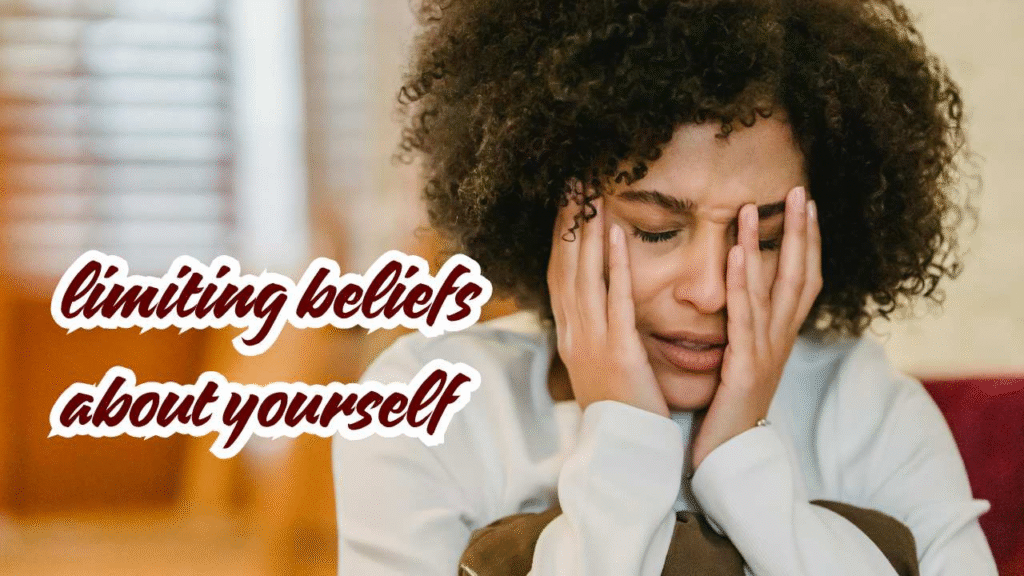
The limiting beliefs about yourself that you carry might be the very thing standing between you and the life you deserve. These invisible mental barriers operate silently in the background, shaping your decisions, relationships, and sense of self-worth without you even realizing it. From childhood experiences to societal expectations, these deeply rooted thoughts fuel self-doubt and trigger patterns of self-sabotage that keep you stuck in cycles of frustration and unfulfilled potential.
In this article, we’ll expose the hidden beliefs you didn’t know were controlling you, explore their origins, and share practical strategies to finally break free. Whether you struggle with confidence, success, or relationships, understanding these mental blocks is the first step toward unlocking your true potential.
What Are Limiting Beliefs and Where Do They Come From?
Limiting beliefs about yourself are deeply ingrained assumptions that you accept as absolute truths, even when they have no factual basis. These negative thought patterns act like invisible chains, restricting your potential and dictating what you believe you can or cannot achieve.
Most of these beliefs form during childhood when your brain absorbs messages from parents, teachers, peers, and society. Over time, these messages become part of your subconscious programming, running on autopilot without your awareness.
Common Sources of These Mental Blocks
- Childhood experiences and parental criticism
- Traumatic events or past failures
- Cultural and societal expectations
- Comparisons with others
- Repeated negative feedback from authority figures
Understanding these origins is crucial because awareness is the first step toward transformation.
Hidden Limiting Beliefs You Might Not Recognize
Many limiting beliefs about yourself hide beneath the surface of your conscious mind. You might not even realize they exist until you examine your recurring patterns of behavior.
The “I’m Not Good Enough” Belief
This is perhaps the most common belief affecting millions worldwide. It manifests as imposter syndrome, perfectionism, and chronic self-criticism. People with this belief constantly feel like frauds, regardless of their achievements.
Signs You Hold This Belief
- You dismiss compliments and downplay your successes
- You overwork yourself to prove your worth
- You avoid opportunities because you fear exposure
- You constantly compare yourself to others
The “I Don’t Deserve Success” Belief
This sneaky belief creates self-sabotaging behaviors that undermine your progress. Just when things start going well, you unconsciously create obstacles because deep down, you don’t feel worthy of good things.
The “It’s Too Late for Me” Belief
Age becomes an excuse that prevents you from pursuing dreams. This fixed mindset convinces you that opportunity windows have closed, keeping you trapped in dissatisfaction.
Why Addressing These Beliefs Matters
Ignoring limiting beliefs about yourself comes with significant consequences that affect every area of life.
Impact on Personal Growth
When you operate from a place of self-doubt, you make decisions based on fear rather than possibility. This leads to missed opportunities, unfulfilled potential, and lasting regret.
Effect on Relationships
Your beliefs about yourself directly influence how you show up in relationships. If you believe you’re unlovable, you might push people away or settle for less than you deserve.
Influence on Career Success
Mental blocks about your capabilities can keep you stuck in unfulfilling jobs, prevent you from asking for promotions, or stop you from starting that business you’ve always dreamed about.

Practical Strategies to Overcome Limiting Beliefs
Breaking free from limiting beliefs about yourself requires consistent effort and proven techniques.
Challenge Your Inner Critic
Start questioning the validity of your negative thoughts. Ask yourself:
- Is this belief actually true or just an assumption?
- What evidence contradicts this belief?
- Would I say this to someone I love?
- How is this belief serving me?
Reframe Your Narrative
Replace negative self-talk with empowering alternatives. Instead of saying “I can’t do this,” try “I’m learning and improving every day.”
Seek Evidence of Your Capabilities
Create a success journal documenting your achievements, positive feedback, and moments of self-worth. Review it regularly to counteract negative beliefs.
Surround Yourself with Supportive People
Your environment shapes your beliefs. Connect with individuals who encourage your growth and challenge your limiting narratives.
The Transformation Process Takes Time
Overcoming limiting beliefs about yourself isn’t an overnight process. These thought patterns developed over years, sometimes decades, so patience is essential.
Celebrate small victories along the way. Each time you catch a limiting belief and choose differently, you’re rewiring your brain for success. Cognitive restructuring happens gradually through consistent practice.
Consider working with a therapist or coach if your beliefs feel deeply rooted. Professional guidance can accelerate your journey toward mental freedom and help you uncover blind spots you might miss on your own.
Conclusion
The limiting beliefs about yourself that operate beneath your awareness have tremendous power over your life. From self-doubt to self-sabotaging behaviors, these hidden mental barriers shape your decisions, relationships, and overall happiness. However, recognizing these patterns is the breakthrough moment that changes everything.
By challenging your inner critic, reframing negative narratives, and surrounding yourself with supportive people, you can dismantle these beliefs one by one. Remember, transformation takes time, but every step forward brings you closer to mental freedom and the fulfilling life you truly deserve.