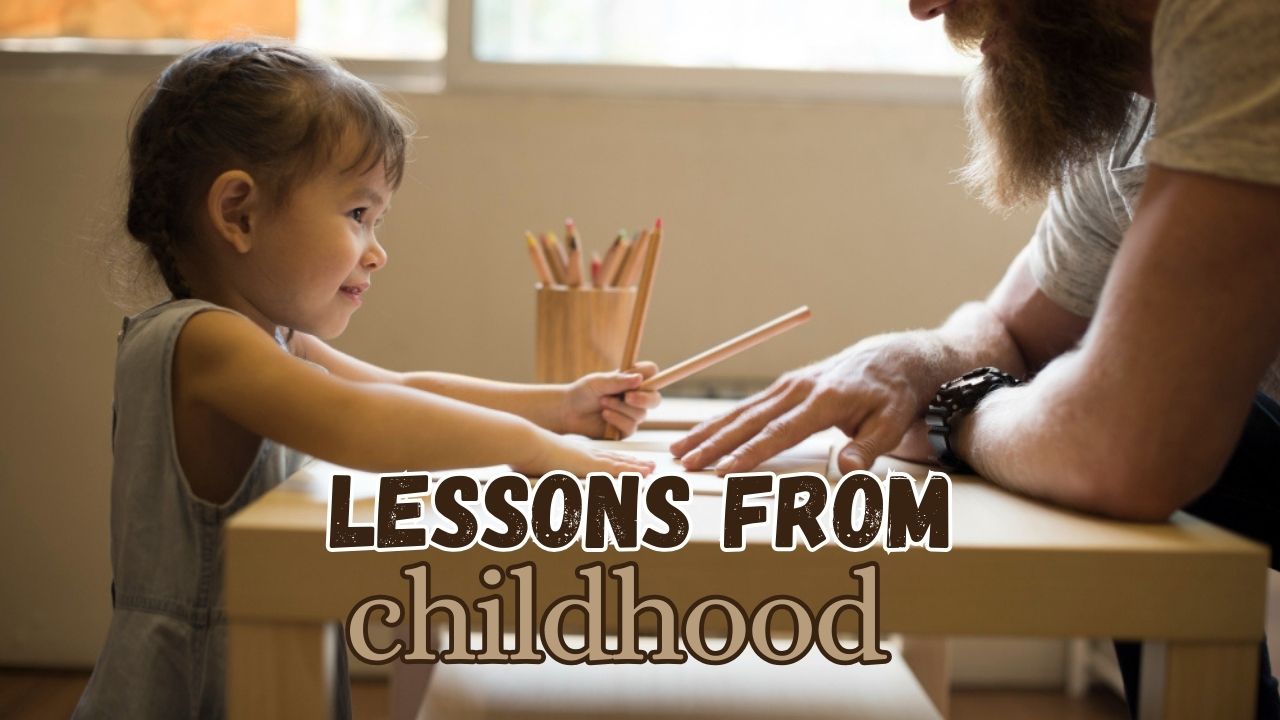
The lessons from childhood stay with us far longer than we realize, quietly guiding our decisions, relationships, and sense of self throughout adulthood. Those early years weren’t just about learning to tie shoes or memorize multiplication tables they were foundational moments that built our character and worldview.
Whether taught by parents, teachers, or simply absorbed through experience, the wisdom we gained as children continues to echo in our daily lives. From understanding the value of honesty to discovering the importance of resilience after a scraped knee, these early life experiences created blueprints we still follow today.
In this article, we’ll explore the most powerful childhood memories and teachings that shape adults, why they matter so deeply, and how reconnecting with this formative wisdom can help us navigate modern challenges with greater clarity and purpose.
Understanding the Power of Early Life Experiences
The lessons from childhood represent more than nostalgic memories. They form the psychological foundation upon which we build our entire adult identity. Psychologists have long recognized that experiences between ages three and twelve create lasting neural pathways that influence behavior, emotional responses, and decision-making patterns for decades.
Why Childhood Teachings Matter So Much
During our formative years, the brain operates like a sponge, absorbing information and creating connections at remarkable speed. This developmental period is when we first learn concepts like trust, fairness, and personal responsibility. These aren’t abstract ideas to children—they’re lived experiences that become hardwired into our understanding of how the world works.
Research in developmental psychology shows that adults who reflect on their childhood wisdom often demonstrate higher emotional intelligence and better coping mechanisms during stressful situations.
The Most Valuable Lessons From Childhood That Shape Adults
Honesty and Integrity
Remember being caught in your first lie? That uncomfortable feeling taught us something textbooks never could. The lessons from childhood about honesty weren’t just about avoiding punishment. They established our moral compass and showed us that trustworthiness builds stronger relationships.
Children learn quickly that:
- Truth creates connection while lies create distance
- Integrity feels better than deception, even when honesty is harder
- People remember broken trust longer than they remember mistakes
Resilience Through Failure
Every child falls while learning to ride a bike. Every student receives a disappointing grade. These moments of childhood adversity teach resilience in ways that no motivational speech ever could. The experience of getting back up after falling becomes a template for handling adult setbacks.
The Value of Kindness and Empathy
Sharing toys, including the shy kid at recess, or comforting a crying friend these small acts planted seeds of emotional development that bloom throughout our lives. Children who practice empathy become adults who build meaningful communities.
How Formative Years Influence Adult Behavior
Building Confidence and Self Worth
The encouragement we received as children directly impacts our adult self-esteem. When parents and teachers celebrated our efforts rather than just our achievements, they taught us that our value isn’t measured solely by outcomes.
This early emotional support creates adults who:
- Take healthy risks in their careers
- Maintain stable relationships
- Handle criticism without crumbling
- Pursue goals despite uncertainty
Developing Problem Solving Skills
Think about childhood games and puzzles. Building block towers that kept collapsing or figuring out how to win at board games developed critical thinking abilities we use daily. The lessons from childhood about persistence and creative thinking remain relevant in every professional meeting and personal challenge.
Challenges in Applying Childhood Wisdom Today
When Early Lessons Need Updating
Not all childhood teachings serve us well in adulthood. Some of us learned to stay quiet to avoid conflict or that asking for help shows weakness. Recognizing which formative experiences need reexamination is part of healthy personal growth.
Balancing Innocence With Adult Realities
The world children experience is simpler by design. Adults must adapt those early life principles to navigate complexity without becoming cynical. The challenge lies in maintaining that childlike wonder and openness while developing mature judgment.

Reconnecting With Your Childhood Wisdom
Practical Ways to Rediscover Early Teachings
Reflecting on lessons from childhood doesn’t require therapy or extensive journaling. Simple practices can help reconnect you with valuable early life insights.
Consider these approaches:
- Spend time with children and observe their natural curiosity
- Revisit books or activities you loved as a child
- Ask family members about your early personality traits
- Notice which situations trigger strong emotional responses
Passing Wisdom to the Next Generation
Understanding your own childhood development helps you become more intentional about what you teach younger people. Whether you’re a parent, teacher, or mentor, recognizing the lasting impact of early experiences adds weight and purpose to your interactions with children.
The lessons from childhood aren’t relics of the past. They’re living tools that continue shaping our present choices and future possibilities. By honoring and examining these early teachings, we gain deeper self-awareness and the ability to grow more intentionally.
Conclusion
The lessons from childhood we carry into adulthood are far more than faded memories. They represent the core values, emotional foundations, and behavioral patterns that continue influencing every aspect of our lives. From learning honesty and resilience to developing empathy and problem-solving abilities, these early experiences shaped who we became.
By reflecting on this formative wisdom and recognizing its ongoing impact, we gain powerful tools for personal growth. Embrace your childhood teachings, examine which ones still serve you, and pass meaningful values to the next generation with intention and care.