
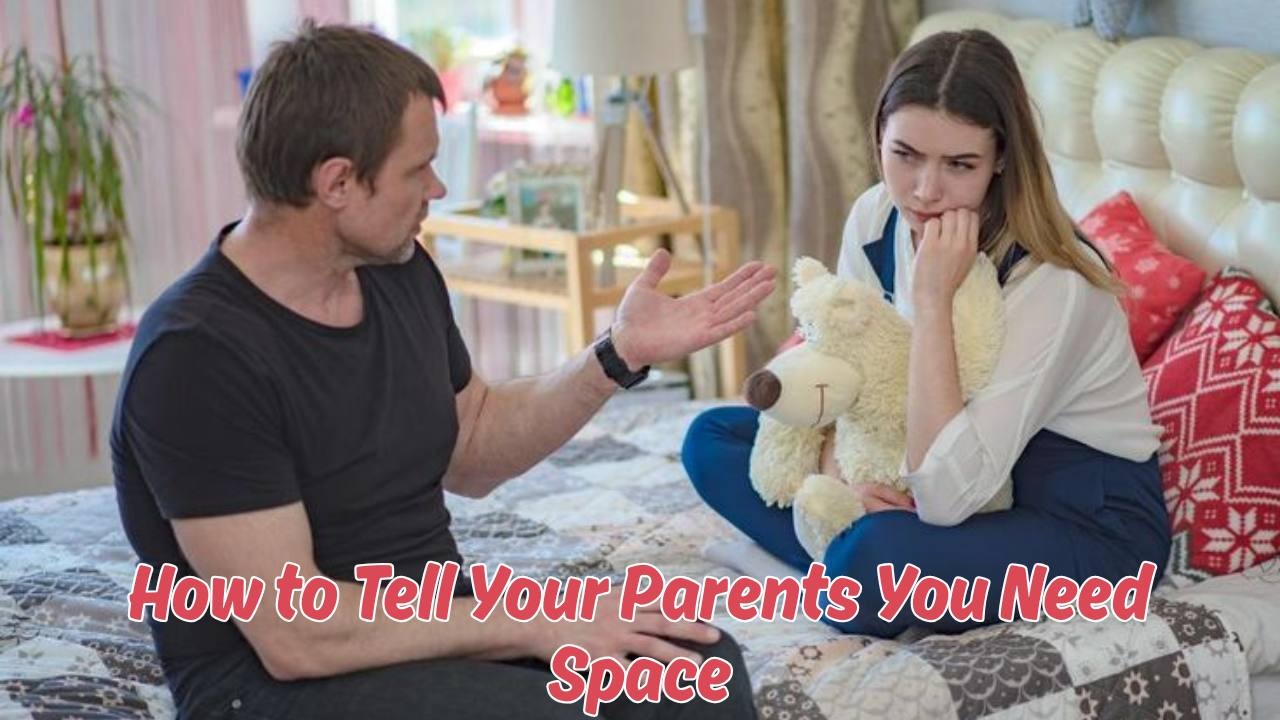
How to tell your parents you need space can feel challenging, especially when emotions run high at home. Finding the right approach is key to maintaining a healthy relationship while asserting your personal boundaries. In this article, we’ll explore practical strategies to communicate effectively, manage family expectations, and set healthy limits without creating unnecessary tension. You will learn how to express your feelings calmly, use respectful language, and create an environment of understanding so both you and your parents feel heard. By the end, you’ll have actionable tips to navigate this delicate conversation, ensuring your need for independence is respected while keeping family bonds strong.
Understanding How to Tell Your Parents You Need Space
Communicating the need for personal space to your parents is an essential skill for fostering healthy relationships. How to tell your parents you need space is not about distancing yourself emotionally but about creating personal boundaries that encourage mutual respect. Many young adults struggle to express their feelings clearly due to fear of conflict or misunderstanding. Understanding the concept of space and independence is the first step. Independence is not rebellion; it is a natural part of personal growth. By learning to communicate effectively, you can manage family expectations and ensure both you and your parents feel valued.
Why Personal Space Matters
Personal space allows individuals to recharge, reflect, and grow emotionally. It is crucial for mental well-being, decision-making, and building self-confidence. Without space, conflicts may arise, leading to frustration on both sides. Respecting personal space promotes healthy limits, strengthens family bonds, and encourages open communication.
Benefits of requesting space:
- Enhances emotional intelligence and self-awareness
- Reduces stress and family tension
- Encourages respectful communication
- Improves overall mental health
- Promotes independence and self-growth
History and Background of Parent-Child Boundaries
Establishing boundaries between parents and children has been important across cultures for centuries. Historically, children were expected to follow parental guidance strictly, which often limited personal freedom. Over time, with the rise of modern psychology and family therapy, experts emphasized the importance of healthy limits and mutual respect. Today, learning how to tell your parents you need space is recognized as a sign of emotional maturity rather than defiance. Understanding this context helps both parents and children navigate conversations about independence without causing conflict.
Cultural Perspectives on Space
Some cultures value close-knit family ties, while others promote individual autonomy early on. Recognizing these differences can make it easier to express your feelings calmly and negotiate boundaries effectively.
Effective Ways to Tell Your Parents You Need Space
Communicating clearly is essential when requesting personal space. Following practical strategies reduces misunderstandings and promotes healthy relationships.
Step 1: Choose the Right Time and Place
Timing is crucial. Approach your parents when they are relaxed and open to conversation. Avoid stressful moments. A calm environment supports respectful language and thoughtful discussion.
Step 2: Use “I” Statements
Express your needs without blaming. For example, say, “I feel overwhelmed and need some alone time to recharge,” rather than, “You are always invading my privacy.” This approach encourages empathy and manages family expectations.
Step 3: Be Clear About Your Boundaries
Specify what kind of space you need and for how long. This reduces confusion and demonstrates maturity. Communicating healthy limits shows responsibility and helps prevent family tension.
Tips for effective communication:
- Be honest about your feelings
- Listen actively to your parents’ perspective
- Avoid negative or confrontational words
- Show appreciation for their support
- Suggest ways to stay connected while respecting space
Challenges When Asking for Space
Requesting personal space is not always easy. Parents may feel rejected, anxious, or misunderstood. Anticipating challenges allows you to handle them calmly.
Common Challenges
- Overprotective behavior – Parents may struggle to accept independence
- Cultural expectations – Some families value constant togetherness
- Fear of conflict – Children may hesitate to speak up
- Miscommunication – Lack of clarity can lead to tension
Overcoming Challenges of how to tell your parents you need space
Address challenges by using respectful language and offering reassurance. For example, clarify that space does not mean emotional distance. Using express your feelings calmly techniques can reduce misunderstandings and foster trust.
Benefits of Establishing Personal Space
Creating space in parent-child relationships has several long-term advantages.
Emotional Growth and Independence
Space encourages self-confidence and emotional intelligence. It allows you to explore your identity while staying connected to your family.
Improved Family Communication
By setting boundaries, conversations become more meaningful. Parents learn to respect your personal boundaries, and you learn to communicate with empathy.
Stress Reduction and Mental Health
Having time for yourself reduces anxiety, prevents burnout, and strengthens overall mental well-being.

Real-Life Examples of Requesting Space
Consider a teenager who feels overwhelmed by constant parental supervision. By calmly stating their need for alone time and suggesting regular check-ins, both the child and parents find a balance. Similarly, a college student may schedule private study hours at home to focus on academics while maintaining connection.
Key takeaways from examples:
- Clear communication prevents misunderstandings
- Healthy limits benefit both parents and children
- Respecting personal boundaries strengthens family trust
- Emotional maturity is demonstrated through calm conversations
- Independence and connection can coexist
Conclusion:
Learning how to tell your parents you need space is essential for maintaining healthy relationships and promoting personal growth. By setting personal boundaries and using respectful language, you can communicate your needs without creating conflict. Establishing space encourages independence, strengthens family bonds, and improves overall mental well-being. While challenges may arise, practicing calm communication and expressing feelings clearly ensures understanding and mutual respect. Prioritizing your emotional health while valuing family connection leads to stronger trust and healthy limits that benefit both parents and children.