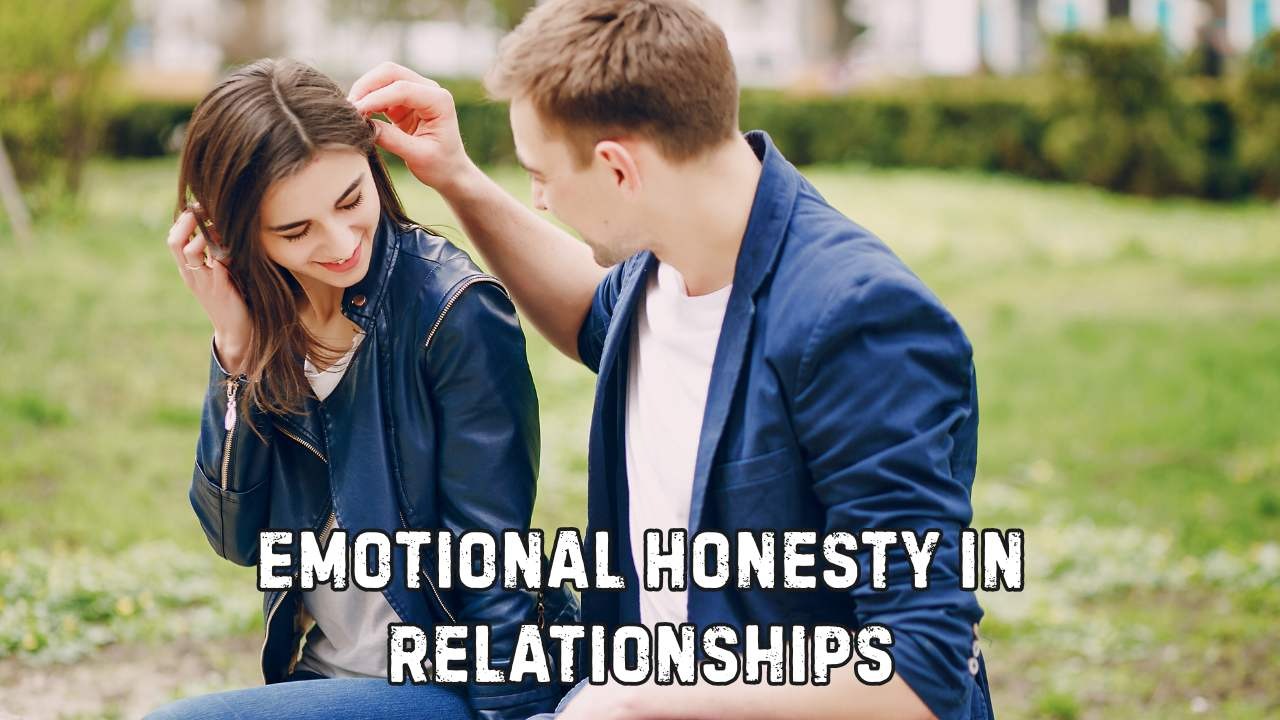
Emotional honesty in relationships is a vital practice that allows partners to communicate openly and authentically. Many couples struggle to express their true feelings, which can lead to misunderstandings, distance, and conflict. Practicing transparency fosters trust, encourages vulnerability, and strengthens emotional intimacy, creating a more resilient and fulfilling bond.
This article explores how emotional honesty enhances relationship satisfaction, promotes healthy communication, and deepens mutual understanding. You will discover practical ways to embrace self-awareness, navigate difficult conversations with empathy, and maintain authentic connection with your partner. By learning to express emotions openly while respecting boundaries, couples can build lasting trust and a stronger emotional foundation. Embracing honesty in relationships is not just about sharing feelings it’s about creating a deeper, more meaningful connection.

Understanding Emotional Honesty in Relationships
Definition and Core Meaning
Emotional honesty in relationships refers to the practice of openly sharing one’s feelings, thoughts, and vulnerabilities with a partner. It involves acknowledging emotions instead of hiding, suppressing, or manipulating them. This honesty encourages emotional intimacy, authentic communication, and mutual trust, which are foundational for strong and lasting relationships. Emotional honesty is not about oversharing every thought but about creating a balance between transparency and respect for boundaries.
Historical and Psychological Background
The concept of emotional honesty has roots in psychological studies emphasizing self-awareness and interpersonal transparency. Early research in humanistic psychology highlighted that expressing emotions authentically promotes mental well-being and strengthens social bonds. Across cultures, relationships built on honesty have historically shown higher levels of trust, commitment, and emotional resilience. Modern relationship counseling continues to emphasize emotional transparency as essential for long-term partnership success.
Importance of Emotional Honesty
Why Emotional Transparency Matters
Practicing emotional honesty in relationships ensures partners understand each other deeply. Without transparency, misunderstandings, resentment, and emotional distance can grow. Sharing emotions openly cultivates empathy, respect, and stronger relationship satisfaction, allowing couples to resolve conflicts effectively and nurture a safe emotional environment.
Key Benefits of Emotional Transparency
- Builds trust and reliability between partners
- Strengthens emotional intimacy and vulnerability
- Promotes healthy communication and conflict resolution
- Enhances relationship satisfaction and mutual understanding
- Supports mental well-being by reducing stress and emotional suppression
Role in Building Strong Connections
When partners practice emotional honesty, they foster authentic connection and deeper engagement. Being vulnerable and expressing true feelings encourages reciprocity, creating a supportive environment where both individuals feel seen, heard, and valued. Emotional honesty helps prevent long-term relational issues by addressing concerns before they escalate.
Benefits of Emotional Honesty in Relationships
Mental and Emotional Well-Being
Sharing emotions openly supports emotional intelligence, enabling individuals to manage feelings constructively. Couples who embrace emotional honesty in relationships experience lower stress levels, reduced anxiety, and improved emotional regulation. Honest communication allows partners to process emotions together, creating resilience and psychological safety.
Strengthening Trust and Intimacy
Trust is the cornerstone of any relationship. Transparency fosters mutual respect, encourages emotional bonding, and reinforces commitment. Emotional honesty helps couples develop authentic intimacy, enabling them to navigate challenges without fear of judgment or rejection.
Practical Benefits of Emotional Honesty
- Builds lasting trust and mutual respect
- Improves relationship quality and satisfaction
- Encourages authentic vulnerability
- Reduces misunderstandings and conflict
- Strengthens long-term emotional resilience
Challenges in Practicing Emotional Honesty
Fear of Judgment and Rejection
A major obstacle to emotional honesty is fear. Many individuals hesitate to share feelings, worrying about judgment, criticism, or rejection. Overcoming this requires developing self-confidence, empathy, and assertive communication skills to express emotions constructively.
Cultural and Social Pressures
Societal norms may discourage open emotional expression, labeling vulnerability as weakness. Cultural conditioning can make transparency challenging, particularly in relationships where communication patterns are shaped by fear or avoidance.
Strategies to Overcome Challenges
- Practice self-awareness to recognize personal emotions
- Use mindful communication techniques
- Build emotional intelligence through reflection and learning
- Create safe spaces for honest dialogue
- Seek guidance from therapists or supportive mentors
Practical Ways to Foster Emotional Honesty
Start with Self-Reflection
Before sharing feelings, understanding them is crucial. Journaling, mindfulness, and introspection enhance self-awareness, enabling individuals to communicate emotions clearly. Recognizing triggers and emotional patterns supports effective expression in relationships.
Communicate Openly and Respectfully
Using I statements and clear, respectful language ensures emotions are expressed without blame. Active listening reinforces understanding and mutual empathy, helping partners feel valued and supported.
Steps to Practice Emotional Honesty Daily
- Identify and acknowledge emotions through self-reflection
- Choose the right moment for open discussion
- Express feelings using respectful language
- Practice active listening and empathy
- Reflect on conversations to improve future communication
Real-Life Examples of Emotional Honesty
In Romantic Relationships
Partners who share feelings of fear, disappointment, or joy openly create deeper emotional intimacy. Honest discussions about needs and boundaries strengthen trust and prevent resentment from building. Emotional honesty in relationships fosters long-term satisfaction and resilience.
In Friendships and Family Bonds
Honesty is equally important outside romantic contexts. Expressing feelings openly with friends or family builds trust, prevents misunderstandings, and encourages a supportive environment. Transparent communication nurtures authentic connection and mutual respect.
Impact of Emotional Honesty on Everyday Life
People who consistently practice emotional honesty experience stronger social bonds, improved mental health, and greater emotional resilience. Over time, this practice fosters confidence, personal growth, and more fulfilling relationships built on transparency and mutual understanding.

Long-Term Effects of Emotional Honesty
Personal Growth and Emotional Strength
Consistently practicing emotional honesty in relationships promotes self-awareness, resilience, and emotional maturity. Individuals gain confidence in expressing feelings while respecting others, contributing to long-term personal development.
Creating Balanced and Fulfilling Relationships
Transparent emotional expression strengthens trust, enhances intimacy, and reduces relational stress. By embracing honesty and authentic communication, couples create balanced, meaningful connections rooted in respect, empathy, and mutual support.
Conclusion
Practicing emotional honesty in relationships fosters stronger trust, deeper emotional intimacy, and healthier communication between partners. This article highlighted how transparency enhances self-awareness, encourages authentic connection, and reduces misunderstandings that can harm bonds. While challenges such as fear of judgment or social conditioning may arise, developing empathy, mindful communication, and emotional intelligence helps overcome these obstacles. Embracing honesty not only strengthens relationships but also supports personal growth, resilience, and lasting relationship satisfaction. Transparent emotional expression is a key element in building meaningful, balanced, and fulfilling connections.