

Losing someone you love leaves a wound that time alone cannot heal, and the search for closure after death becomes an emotional journey many of us struggle to navigate. We desperately want answers, peace, and some sense of finality but is that even possible?
This article explores the reality behind grief healing and whether true closure exists or if it’s simply a concept we chase to cope. You’ll discover what closure actually means, why some people find it while others don’t, and practical ways to begin moving forward after loss without forgetting those you’ve lost.
Whether you’re freshly grieving or still carrying pain from years ago, understanding closure after death can transform how you process your emotions and honor your loved one’s memory.

What Does Closure After Death Really Mean?
Closure after death refers to the emotional resolution we seek after losing someone important. It’s that feeling of acceptance and peace that allows us to continue living without being consumed by grief.
However, closure doesn’t mean forgetting. It means reaching a place where the pain becomes manageable and memories bring comfort instead of constant sorrow.
The Psychology Behind Seeking Closure
Psychologists explain that humans naturally crave resolution. Our brains want neat endings to difficult experiences. When death occurs suddenly or leaves unanswered questions, this need intensifies.
The concept of emotional healing after loss became widely discussed in the 1960s when psychiatrist Elisabeth Kübler-Ross introduced her famous five stages of grief. Since then, experts have debated whether closure is truly achievable or simply a comforting idea we pursue.
Why Finding Peace After Loss Matters
Seeking isn’t about moving on and pretending nothing happened. It’s about integrating loss into your life story in a healthy way.
The Importance of Processing Grief
When we don’t process grief properly, it can lead to serious consequences.
- Chronic depression and anxiety
- Difficulty maintaining relationships
- Physical health problems including weakened immunity
- Inability to find joy in daily activities
- Complicated grief that lasts for years
Processing emotions after losing a loved one helps prevent these outcomes and supports overall mental wellness.
Benefits of Working Toward Acceptance
Those who actively work through their grief often experience meaningful benefits.
- Improved emotional resilience over time
- Deeper appreciation for life and relationships
- Ability to honor the deceased’s memory positively
- Renewed sense of purpose and direction
- Stronger connections with surviving loved ones
Challenges in Achieving Closure After Death
Not everyone finds they easily. Several factors can make this journey incredibly difficult.
Sudden or Traumatic Loss
When death comes unexpectedly through accidents, violence, or sudden illness, survivors often struggle more intensely. There’s no time to say goodbye, and unanswered questions haunt the grieving process.
Traumatic grief requires specialized support and often takes longer to process than anticipated loss.
Unresolved Relationships
If your relationship with the deceased was complicated, closure becomes even more challenging. Perhaps you had unfinished arguments, unexpressed feelings, or years of estrangement.
Dealing With Regret and Guilt
Many people experience intense guilt after someone dies. Thoughts like “I should have called more” or “I never told them I loved them” can prevent emotional resolution.
Working through these feelings often requires professional support or grief counseling to untangle complex emotions.
Cultural and Personal Expectations
Society sometimes pressures grieving individuals to “get over it” within unrealistic timeframes. This pressure can actually delay genuine healing and make people feel ashamed of their ongoing pain.
Practical Ways to Find Peace
While closure after death looks different for everyone, certain approaches consistently help people move toward acceptance.
Honor Their Memory Meaningfully
Creating lasting tributes can provide comfort and purpose.
- Plant a memorial garden or tree
- Establish a scholarship or charitable fund
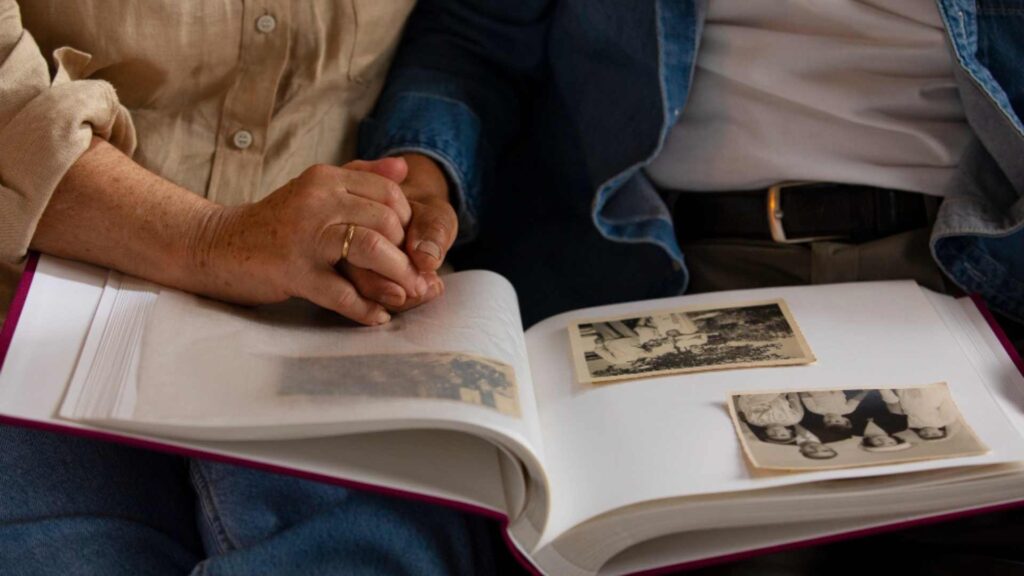
- Create a photo album or memory book
- Continue traditions they loved
- Share their stories with future generations
Seek Professional Support
Grief therapy offers tools and perspectives you might not discover alone. A trained counselor can help you navigate complex emotions without judgment.
Support groups also connect you with others who truly understand your pain, reducing isolation during bereavement.
Allow Yourself Time and Grace
There’s no universal timeline for grief. Some people find peace within months, while others need years. Both experiences are completely valid.
These are destination to reach and never revisit. It’s an ongoing process of learning to carry your loss while still embracing life.
The Truth About Closure
Perhaps the most honest answer is that complete closure after death may not exist in the way we imagine. Instead, we learn to live alongside our grief, allowing it to soften over time.
The goal isn’t erasing pain entirely. It’s finding meaning, maintaining connections to those we’ve lost, and eventually discovering joy again without guilt.
Conclusion
Closure after death remains one of life’s most personal journeys. While complete resolution may feel impossible, healing after loss happens gradually through acceptance, meaningful tributes, and professional support when needed.
Remember that grief has no expiration date. Your path toward emotional peace will look different from anyone else’s, and that’s perfectly okay. The goal isn’t forgetting those you’ve lost but learning to carry their memory while embracing life again.
By understanding that closure after death is a process rather than a destination, you give yourself permission to grieve authentically and eventually find comfort.