
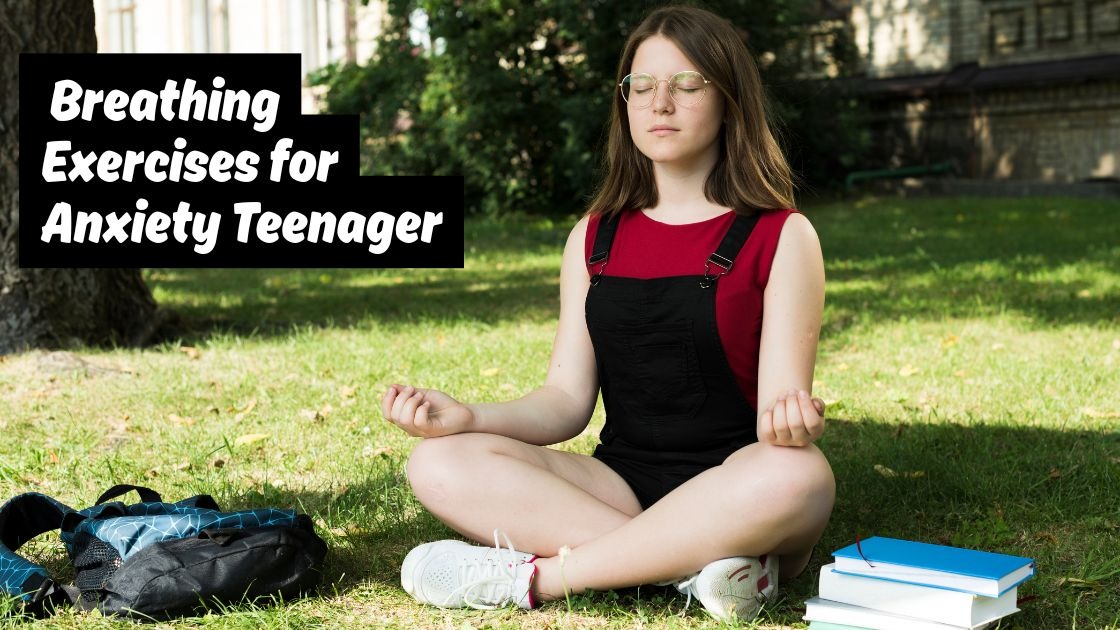
If your teen is struggling with constant nervousness, learning breathing exercises for anxiety teenager can be a simple yet powerful way to find relief. Anxiety among teenagers has become alarmingly common, with academic pressure, social media, and everyday challenges pushing young minds toward overwhelming stress. The good news is that something as natural as controlled breathing can make a real difference.
During anxious moments, a teenager’s body triggers a fight-or-flight response, causing rapid heartbeat, shallow breathing, and racing thoughts. This is where breathing exercises for anxiety teenager step in as an effective tool. These techniques work by activating the parasympathetic nervous system, which signals the brain to calm down and relax. Unlike medications, they are free, safe, and can be practiced anywhere at home, in school, or even before a big exam.
In this article, we will explore how breathing exercises for anxiety teenager actually work from a scientific perspective. You will discover practical techniques like deep breathing, box breathing, and diaphragmatic breathing that are specifically suited for young people. We will also cover teen anxiety relief strategies, calming techniques for teens, and easy stress management for teenagers that parents and educators can encourage daily. Additionally, we will discuss how mindfulness for adolescents and consistent anxiety coping strategies can build long-term emotional resilience.
Whether you are a parent, teacher, or a teenager yourself, this guide is designed to give you evidence-based, actionable steps. By the end, you will have a clear understanding of which breathing exercises for anxiety teenager work best and how to build a healthy daily routine around them. Let’s dive in and take that first calming breath together.
Understanding Anxiety in Teenagers and Why It Matters
Anxiety is more than just occasional worry. For teenagers, it can become a persistent mental health challenge that affects their academic performance, relationships, and overall quality of life. According to mental health professionals, nearly one in three adolescents experience some form of anxiety disorder before reaching adulthood. The pressure of exams, social expectations, and digital overload all contribute to rising stress levels among young people. Recognizing this issue early is the first step toward helping teens regain control over their emotional wellbeing. This is exactly why breathing exercises for anxiety teenager have gained attention from therapists and educators worldwide as a practical, accessible solution.
How Breathing Exercises for Anxiety Teenager Actually Work
The Science Behind Controlled Breathing
When a teenager experiences anxiety, the body’s sympathetic nervous system activates, releasing stress hormones like cortisol and adrenaline. The heart beats faster, muscles tighten, and each breath becomes quick and shallow. Breathing exercises for anxiety teenager work by stimulating the vagus nerve, which activates the parasympathetic nervous system. This process tells the brain to slow down and shift from a state of panic to a state of calm. Research published in leading psychology journals confirms that intentional slow breathing reduces cortisol levels and improves emotional regulation in adolescents. In simple terms, when a teenager breathes deeply and deliberately, they are essentially telling their body that they are safe.
Why Teenagers Respond Well to Breathing Techniques
Teenagers are at a developmental stage where their brains are still forming neural pathways for emotional control. This makes them highly responsive to mindfulness based techniques. Unlike adults who may have deeply rooted stress patterns, teens can rewire their stress response more efficiently. Practicing breathing exercises for anxiety teenager regularly helps build long term resilience against anxiety triggers. Over time, these exercises become an automatic coping mechanism that teens can rely on during high pressure situations like exams, social conflicts, or performance events.
Types of Breathing Exercises for Anxiety Teenager Can Practice
Deep Breathing
Deep breathing, also known as diaphragmatic breathing, is one of the most fundamental breathing exercises for anxiety teenager can start with. The technique involves inhaling deeply through the nose, allowing the belly to expand fully, and then exhaling slowly through the mouth. This method increases oxygen flow to the brain and promotes instant relaxation. Therapists often recommend this as the first technique for teens who are new to anxiety management because it is simple, effective, and requires no special tools.
Box Breathing Technique
Box breathing is a structured method used by everyone from Navy SEALs to school counselors. It involves four equal steps: inhale for four seconds, hold for four seconds, exhale for four seconds, and hold again for four seconds. This technique is particularly effective for teen panic attack relief because it interrupts the anxiety cycle and forces the mind to focus on counting rather than worrying. Many adolescents find box breathing helpful right before tests or presentations when anxiety peaks suddenly.
4 7 8 Breathing Method
Developed by Dr. Andrew Weil, the 4 7 8 technique is among the most recommended breathing exercises for anxiety teenager by licensed therapists. The process requires inhaling through the nose for four seconds, holding the breath for seven seconds, and exhaling completely through the mouth for eight seconds. This extended exhale activates deep relaxation and is especially useful for teens struggling with sleep anxiety or insomnia caused by overthinking at night.
Key Benefits of Breathing Exercises for Teens
Understanding the advantages motivates teenagers to practice consistently. Here are the primary benefits that breathing exercises for anxiety teenager offer for emotional and physical health.
- Reduces stress hormones by lowering cortisol levels naturally within minutes of practice
- Improves focus and concentration which directly supports better academic performance in school
- Enhances emotional regulation helping teens respond calmly instead of reacting impulsively to triggers
- Promotes better sleep quality by calming the nervous system before bedtime each night
- Builds long term mental resilience creating healthy coping habits that last into adulthood
How to Build a Daily Breathing Routine for Teenagers
Step by Step Process for Beginners
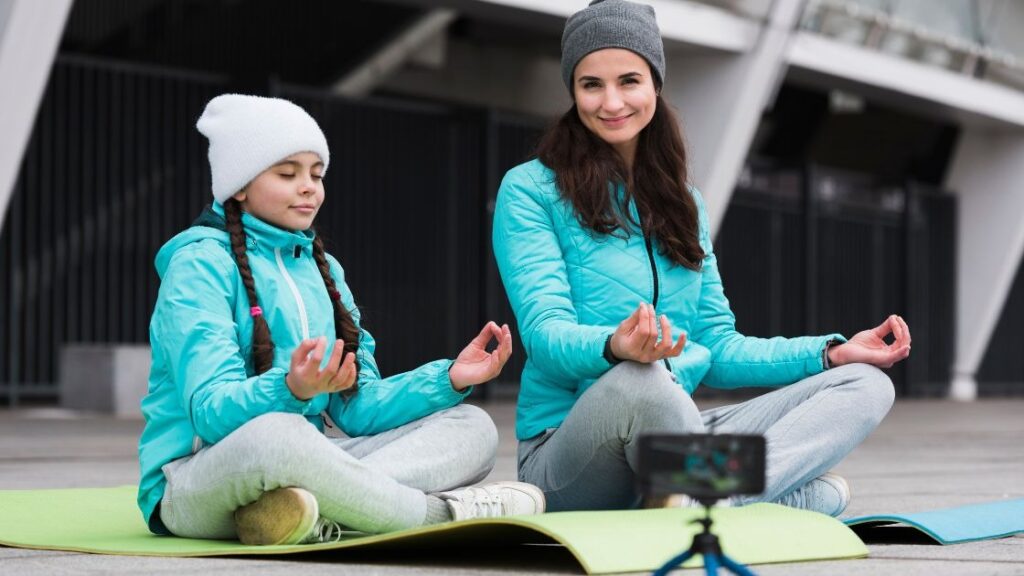
Starting a breathing practice does not have to be complicated. For breathing exercises for anxiety teenager to be effective, consistency matters more than duration. A teen can begin with just three to five minutes each morning and gradually increase the time as they become comfortable. Parents and guardians can play a supportive role by practicing alongside their teenager, creating a calm environment, and encouraging the routine without pressure.
Best Times for Teens to Practice
Timing plays an important role in maximizing the effectiveness of breathing exercises for anxiety teenager throughout the day. Practicing in the morning sets a calm tone, while midday sessions help manage school related stress. Evening practice before bed supports adolescent relaxation and reduces nighttime worry.
Tips for Parents and Educators
Supporting a teenager through anxiety requires patience and understanding. Here are practical tips for adults who want to help teens adopt breathing exercises for anxiety teenager into their daily lives.
- Lead by example and practice calming techniques together to normalize the habit
- Avoid forcing participation because teens respond better when they feel empowered to choose
- Use guided apps like Headspace or Calm that offer teen friendly meditation and breathing sessions
- Create a quiet space at home or in the classroom designated specifically for mindful breathing
- Celebrate small progress and acknowledge every effort the teenager makes toward managing their anxiety
Challenges Teenagers May Face with Breathing Exercises
While breathing exercises for anxiety teenager are highly effective, some teens may initially find it difficult to sit still or focus on their breath. This is completely normal. Adolescents dealing with severe anxiety might feel more aware of their symptoms during early sessions, which can temporarily increase discomfort. The key is to start slowly, practice without judgment, and seek guidance from a mental health professional if anxiety symptoms persist or worsen. Combining breathing techniques with cognitive behavioral strategies and professional counseling often produces the best results for teenagers experiencing chronic anxiety.
Conclusion
Anxiety does not have to control a teenager’s life, and the right tools can make all the difference. Throughout this article, we explored how breathing exercises for anxiety teenager work by activating the parasympathetic nervous system and reducing harmful stress hormones like cortisol. We covered practical techniques including deep breathing, box breathing, and the 4 7 8 method, each designed to bring fast and effective relief during anxious moments. We also discussed the importance of building a consistent daily routine and how parents and educators can play a supportive role in this journey.
The beauty of breathing exercises for anxiety teenager lies in their simplicity. They require no equipment, no cost, and no special setting. Whether a teen is dealing with exam stress, social anxiety, or nighttime worry, these techniques offer an immediate and natural path toward calmness. When practiced regularly, they strengthen emotional resilience and teach adolescents healthy stress management skills that will benefit them well beyond their teenage years.
However, it is important to remember that breathing exercises for anxiety teenager are most effective when combined with a broader approach to mental wellness. Encouraging mindfulness habits, maintaining open communication, and seeking professional guidance when needed all contribute to a teenager’s overall emotional health. If your teen is struggling, start small with just a few minutes of intentional breathing each day. That one simple step can open the door to lasting peace and confidence. Take that first breath today and help your teenager thrive.