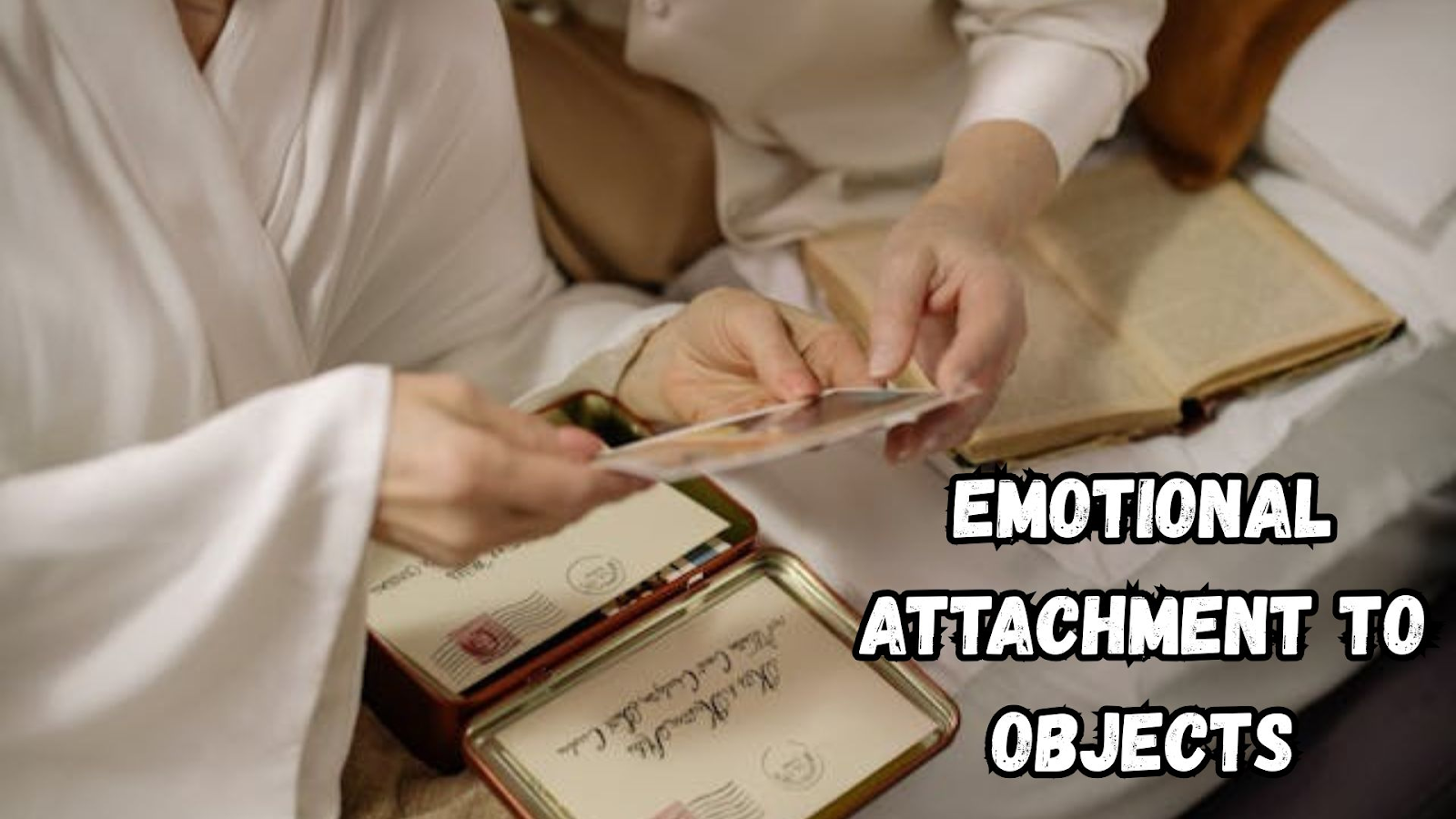
Emotional attachment to objects is a deeply human experience that connects us to our memories, relationships, and sense of identity. Whether it’s your grandmother’s ring or a ticket stub from your first concert, these items become more than possessions they become extensions of who we are.
In this article, we’ll explore the fascinating psychology behind why we form these bonds with inanimate things. You’ll discover how sentimental value shapes our decisions, when attachment to possessions crosses into unhealthy territory, and practical strategies to find balance between cherishing meaningful items and freeing yourself from clutter that no longer serves you.
Understanding the Psychology Behind Object Attachment
Emotional attachment to objects begins forming in early childhood, often through what psychologists call transitional objects. Think of a child’s beloved teddy bear or security blanket. These items provide comfort during times of separation from caregivers and help children navigate emotional independence.
As we grow older, this tendency doesn’t disappear. Instead, it evolves. Adults form bonds with items that represent significant life moments, relationships, or personal achievements. Research from Scientific American reveals that our belongings fill many emotional needs, from boosting confidence to providing comfort during loneliness.
How Our Possessions Become Part of Our Identity
One of the most fascinating aspects of sentimental attachment is how objects become extensions of ourselves. When a cherished item is damaged or lost, we genuinely feel a sense of personal loss. This isn’t irrational behavior. It’s a normal psychological response rooted in how we construct our sense of self.
Consider these common examples of Emotional attachment to objects:
- A wedding ring symbolizing commitment and love
- A grandfather’s watch representing family legacy
- Concert tickets reminding us of joyful experiences
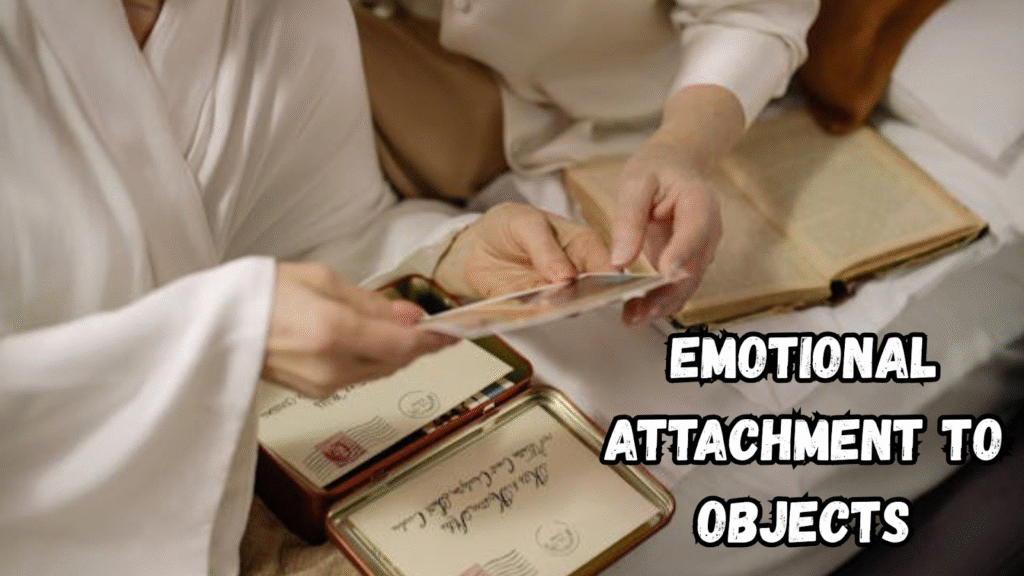
- Handwritten letters connecting us to deceased loved ones
- Childhood toys preserving memories of innocence
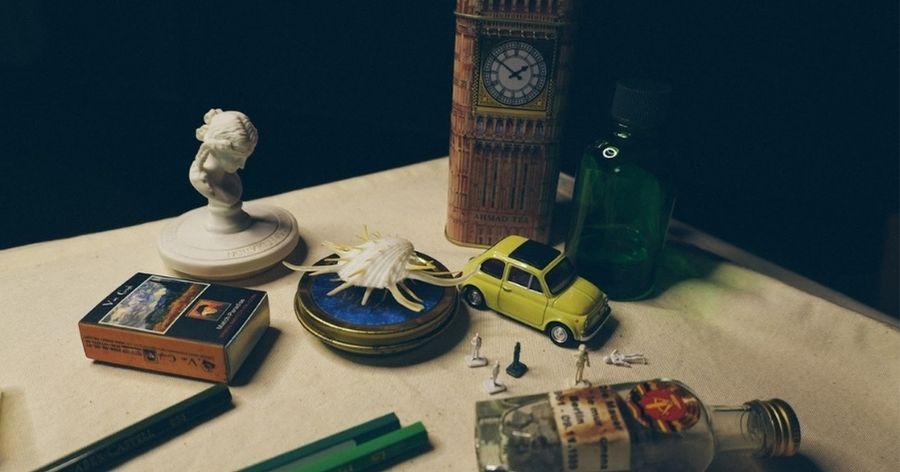
Each item serves as a tangible anchor to intangible feelings, relationships, and moments we never want to forget.
Why We Struggle to Let Go of Possessions
The difficulty in parting with belongings stems from several psychological factors. Understanding these can help you recognize your own patterns and make more conscious decisions about what you keep.
Fear of Losing Memories
Many people believe that discarding an object means erasing the memory associated with it. This fear of forgetting creates powerful resistance to decluttering. However, memories actually live within us, not within objects. The item simply serves as a trigger.
Comfort and Emotional Security
During stressful times, familiar objects provide genuine comfort. Studies show that people with insecure attachment styles in relationships often develop stronger bonds with material possessions. These items become reliable sources of emotional support when human relationships feel uncertain.
The Endowment Effect
Once we own something, we automatically value it more highly than we would if we didn’t own it. This cognitive bias makes letting go of belongings feel like a significant loss, even when the item has little practical use.
When Attachment Becomes Problematic
While having emotional attachment to objects is completely normal, there’s a spectrum of healthy and unhealthy attachment patterns.
Signs of Healthy Attachment
- You treasure specific meaningful items without excessive anxiety
- You can part with objects when necessary, even if it feels difficult
- Your possessions enhance your life rather than control it
- You maintain clear living spaces despite keeping sentimental items
Warning Signs of Excessive Attachment
Problematic attachment to possessions may include:
- Extreme distress when considering discarding items
- Living spaces becoming unusable due to accumulated belongings
- Acquiring items compulsively to fill emotional voids
- Relationships suffering because of possessions
- Mixed emotions including anxiety, guilt, and sadness about belongings
Research indicates that people with hoarding tendencies often experience both positive and negative emotions simultaneously about their possessions, which psychologists describe as insecure object attachment.
Finding Balance Between Keeping and Releasing
Honoring Memories Without Clutter
You can preserve sentimental value without keeping every physical item. Consider these alternatives:
- Photograph items before donating them
- Keep one representative piece from a collection
- Create a memory box with strict size limits
- Write about the memory the object represents
- Pass items to family members who will cherish them
Practicing Mindful Ownership
Developing a healthier relationship with your belongings requires intentional effort. Ask yourself whether each item serves your present life or simply anchors you to the past.
The goal isn’t eliminating all Emotional attachment to objects. Rather, it’s ensuring these bonds enrich your life instead of burdening it. Some items genuinely deserve a permanent place in your home. Others have served their purpose and can be released with gratitude.
Understanding why you feel attached helps you make thoughtful decisions rather than reactive ones. Whether you choose to keep a cherished possession or finally let it go, the power lies in making that choice consciously and compassionately.
Conclusion
Emotional attachment to objects is a universal human experience rooted in our need for comfort, identity, and connection to meaningful memories. Understanding the psychology behind why we bond with possessions helps us distinguish between healthy sentimental attachment and patterns that may hold us back.
By practicing mindful ownership and honoring memories without excessive clutter, you can find balance between cherishing what matters and creating space for new experiences. Remember, the most important memories live within you, not within your belongings.