Growing up with brothers or sisters often means navigating the complex world of sibling rivalry effects, which can shape personalities and relationships for decades. Whether it’s fighting over toys, competing for parental attention, or comparing achievements, these everyday conflicts leave lasting impressions on children’s emotional development.
While some competition between siblings is perfectly normal, understanding how these dynamics influence self-esteem, social skills, and future relationships is essential for parents and caregivers. This article explores the psychological impact of brother-sister conflicts, examines how childhood competition affects adult behavior, and provides practical strategies for fostering healthier family bonds. By recognizing the signs and understanding the deeper consequences, families can transform rivalry into opportunities for growth and connection.
What Is Sibling Rivalry and Why Does It Happen?
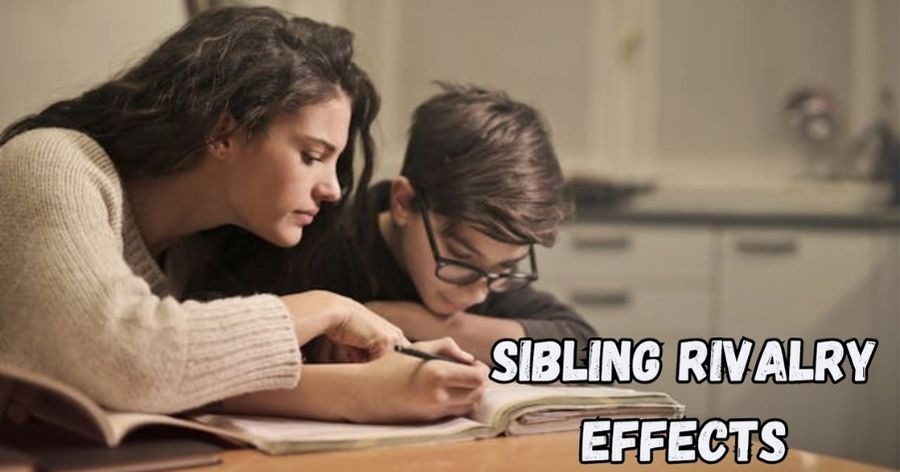
Sibling rivalry effects refer to the emotional, psychological, and behavioral outcomes that emerge from competition and conflict between brothers and sisters. This phenomenon occurs in nearly every household with multiple children and has been studied extensively by child psychologists for over a century.
The roots of sibling competition trace back to fundamental human needs. Children naturally seek parental love, attention, and resources. When another child enters the picture, this creates perceived scarcity. The result is often jealousy, resentment, and ongoing family conflict that can persist well into adulthood.
Common Triggers of Sibling Conflict
Understanding what sparks these battles helps parents address problems early. The most frequent causes include:
- Unequal treatment from parents, whether real or perceived
- Age differences creating developmental mismatches
- Sharing bedrooms, toys, or personal belongings
- Academic or athletic comparisons
- Personality clashes between introverted and extroverted children
- Limited one-on-one time with caregivers
The Psychological Impact on Child Development
The sibling rivalry effects extend far beyond childhood squabbles. Research shows these early experiences fundamentally shape how children view themselves and interact with others throughout life.
Positive Outcomes of Healthy Competition
Not all rivalry produces negative results. When managed properly, brother-sister dynamics can actually benefit development in several ways.
Children learn essential conflict resolution skills through sibling disagreements. They practice negotiation, compromise, and problem-solving in a safe environment. These abilities transfer directly to friendships, romantic relationships, and workplace interactions later in life.
Additionally, moderate competition motivates achievement. Watching a sibling succeed can inspire children to work harder and develop their own talents. This healthy drive often leads to greater academic and professional accomplishments.
Negative Consequences of Unresolved Conflict
However, intense or prolonged rivalry creates lasting damage. Studies consistently link severe childhood competition to several concerning outcomes:
- Lower self-esteem and chronic feelings of inadequacy
- Anxiety and depression symptoms
- Difficulty forming trusting relationships
- Aggressive behavior patterns
- Academic underperformance due to emotional distress
Long-Term Relationship Challenges
Adults who experienced severe sibling rivalry effects often struggle with comparison in all relationships. They may constantly measure themselves against coworkers, friends, and partners. This pattern creates ongoing dissatisfaction and prevents genuine connection.
Some individuals carry resentment toward their siblings for decades. Family gatherings become stressful events rather than joyful reunions. Without intervention, these wounds rarely heal naturally.
How Parents Can Reduce Harmful Competition
Families aren’t powerless against destructive rivalry. Thoughtful parenting strategies significantly reduce negative sibling rivalry effects while preserving healthy aspects of competition.
Avoid Comparisons Between Children
Perhaps the most damaging parental habit is comparing one child to another. Statements like “why can’t you be more like your sister” create deep wounds. Each child needs recognition for their unique strengths and interests.
Create Individual Quality Time
Scheduling regular one-on-one activities with each child reduces competition for attention. Even fifteen minutes of undivided focus makes children feel valued and secure. This parenting approach addresses the root cause of many conflicts.
Teach Emotional Intelligence Early
Children who understand and express emotions constructively handle family conflict more effectively. Parents should model healthy communication and help children name their feelings during disagreements.
Establish Fair but Flexible Rules
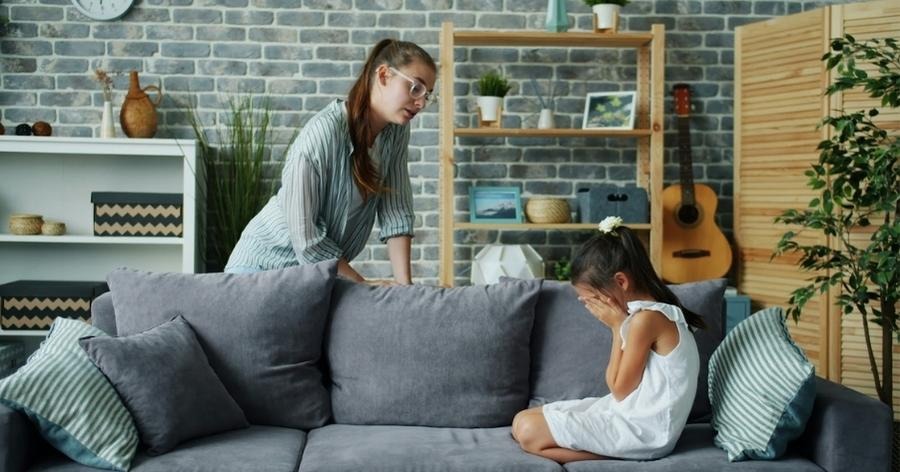
Identical treatment isn’t always fair treatment. A teenager and a toddler have different needs and privileges. Explaining this concept helps older children accept age-appropriate differences without feeling slighted.
When Professional Help Becomes Necessary
Sometimes sibling rivalry effects escalate beyond normal conflict. Warning signs that indicate professional intervention include:
- Physical aggression causing injury
- Extreme emotional distress or withdrawal
- One child consistently victimizing another
- Rivalry affecting school performance or friendships
- Parents feeling unable to manage household tension
Child psychologists and family therapists specialize in these dynamics. They identify underlying issues and provide customized strategies for specific family situations. Seeking help early prevents minor problems from becoming entrenched patterns.
Building Stronger Sibling Bonds for Life
The goal isn’t eliminating all competition but channeling it productively. Siblings who learn to support each other while maintaining individual identities develop relationships that provide lifelong emotional support. Understanding sibling rivalry effects empowers families to transform conflict into connection, creating healthier dynamics that benefit everyone involved.
Conclusion
Understanding sibling rivalry effects helps families navigate one of childhood’s most common challenges. From building conflict resolution skills to potentially causing lasting emotional harm, these dynamics significantly influence how children develop and relate to others throughout life.
Parents who recognize triggers, avoid harmful comparisons, and foster individual attention can transform destructive competition into healthy growth opportunities. When conflicts become severe, seeking professional guidance protects everyone’s wellbeing. By addressing brother-sister conflicts thoughtfully, families create stronger bonds that support children well into adulthood, turning rivalry into meaningful lifelong relationships.