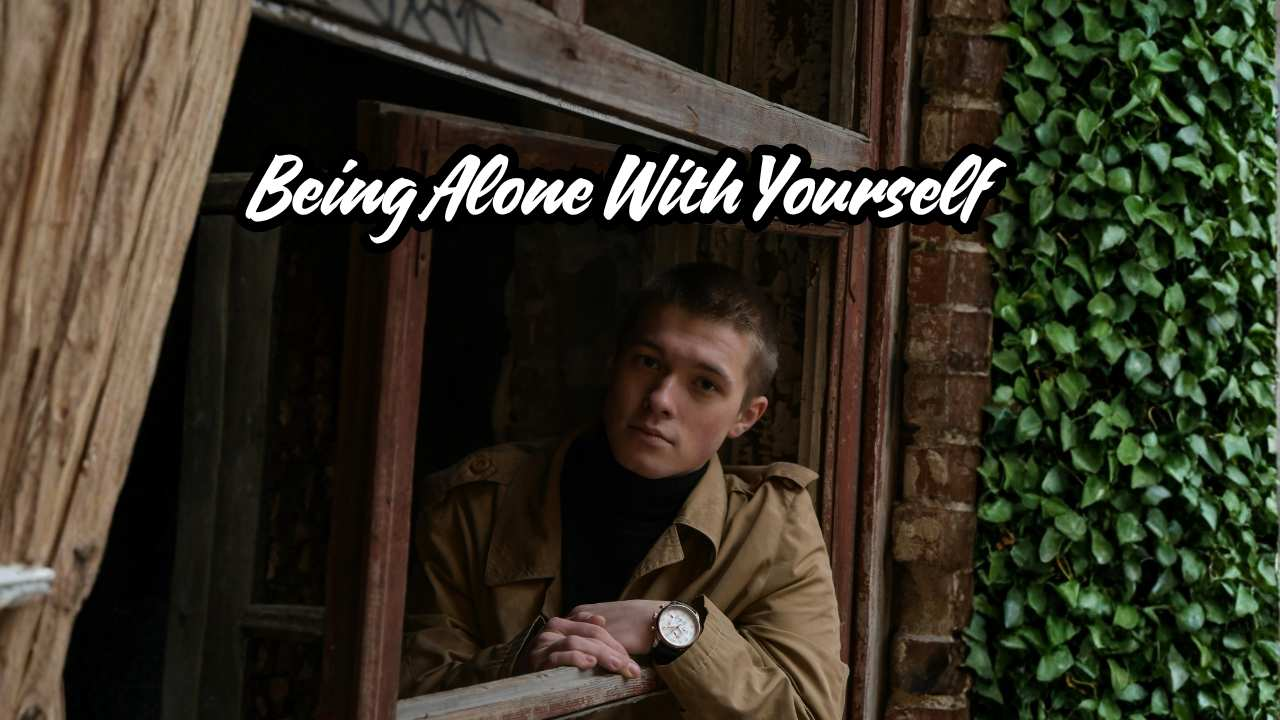
I remember the first time I truly experienced being alone with yourself, no distractions, no notifications, just silence. After a painful breakup, I found myself in an empty apartment, forced to confront thoughts I had avoided for years. What began as crushing loneliness slowly transformed into self-discovery and unexpected inner peace.
This article explores how embracing solitude becomes your greatest teacher. We will discuss why silence feels uncomfortable initially, how being alone with yourself leads to genuine growth, and practical ways to turn isolation into a meaningful journey of self-reflection. Whether you are healing from heartbreak, navigating a major life change, or simply craving deeper connection with yourself, this guide will show you that sometimes the most profound conversations happen when no one else is in the room.
What Does Being Alone With Yourself Really Mean?
Being alone with yourself goes beyond physical isolation. It means sitting with your thoughts without distractions, understanding your emotions, and developing a genuine relationship with who you are at your core.
Many people confuse loneliness with solitude. Loneliness carries feelings of emptiness and disconnection. Solitude, however, represents a conscious choice to spend quiet time nurturing your mind and soul.
The Difference Between Loneliness and Solitude
Understanding this distinction changes everything about how you approach alone time.
| Loneliness | Solitude |
| Feels forced and painful | Feels intentional and healing |
| Creates anxiety | Builds mental clarity |
| Leads to negative thoughts | Encourages self-awareness |
The Historical and Cultural Significance of Solitude
Throughout history, philosophers, spiritual leaders, and great thinkers have embraced being alone with yourself as essential for wisdom.
Buddha found enlightenment through meditation in isolation. Henry David Thoreau lived alone at Walden Pond, discovering profound truths about life. Many indigenous cultures incorporate vision quests where individuals spend days alone seeking personal growth and direction.
Why Modern Society Struggles With Silence
Today, constant connectivity makes solitude feel unnatural. Social media, streaming services, and endless notifications fill every quiet moment. We have forgotten how to simply exist without stimulation.
Research from Harvard University revealed that many people would rather receive mild electric shocks than sit alone with their thoughts for fifteen minutes. This discomfort with being alone with yourself reflects how disconnected we have become from our inner world.
Benefits of Embracing Solitude
Learning to enjoy your own company offers remarkable rewards for your mental health and overall wellbeing.
Emotional and Psychological Benefits
- Enhanced self-reflection helps you understand patterns in your behavior
- Reduced anxiety through practicing mindfulness techniques
- Improved emotional regulation and response to stress
- Greater confidence in decision making
- Deeper understanding of personal values and goals
Creative and Intellectual Benefits
Silence creates space for creativity to flourish. When external noise disappears, your mind processes information differently.
Many artists, writers, and inventors credit their breakthroughs to periods of intentional isolation. Being alone with yourself allows ideas to surface that constant busyness would otherwise drown out.
How Solitude Boosts Problem Solving
Without distractions, your brain enters a state psychologists call diffuse thinking. This relaxed mental mode connects seemingly unrelated concepts, often producing innovative solutions to challenges you have been facing.
Challenges of Spending Time Alone
Despite its benefits, being alone with yourself presents real difficulties that deserve acknowledgment.
Common Struggles People Face
- Uncomfortable emotions surfacing without distraction
- Fear of confronting past mistakes or regrets
- Difficulty quieting the inner critic
- Physical restlessness and urge to seek stimulation
- Societal pressure suggesting alone time equals loneliness
Overcoming the Discomfort
Start small. Five minutes of quiet reflection daily builds tolerance gradually. Use this time for journaling, meditation, or simply observing your surroundings without your phone.
Remember that discomfort often signals growth. The thoughts that feel most uncomfortable usually need the most attention.
Practical Examples of Meaningful Solitude
Being alone with yourself looks different for everyone. Here are approaches that work.
Daily Practices
- Morning meditation before checking devices
- Solo walks in nature without earbuds
- Journaling before sleep to process the day
- Eating one meal weekly in complete silence
Deeper Experiences
Some people benefit from extended periods of solitude. Weekend solo retreats, silent meditation courses, or simply spending a full day without social interaction can accelerate personal transformation.
A woman who lost her job shared how forced isolation became her greatest gift. Without work distractions, she finally addressed childhood wounds she had buried for decades. That painful season of being alone with yourself led her toward a completely new career aligned with her authentic purpose.

Finding Balance Between Connection and Solitude
Healthy living requires both meaningful relationships and quality time alone. Neither extreme serves you well.
Schedule solitude like you schedule social commitments. Protect this time fiercely. Your relationship with yourself forms the foundation for every other relationship in your life.
Conclusion
Being alone with yourself is not something to fear but rather embrace as a powerful tool for personal growth. Throughout this journey, we explored how solitude differs from loneliness, the historical significance of quiet reflection, and practical ways to cultivate meaningful alone time.
The benefits of self-reflection, improved mental health, and enhanced creativity far outweigh the initial discomfort. Remember that being alone with yourself builds the foundation for understanding your true purpose. Start with small steps today, and watch how silence transforms into your wisest teacher and most trusted companion.