
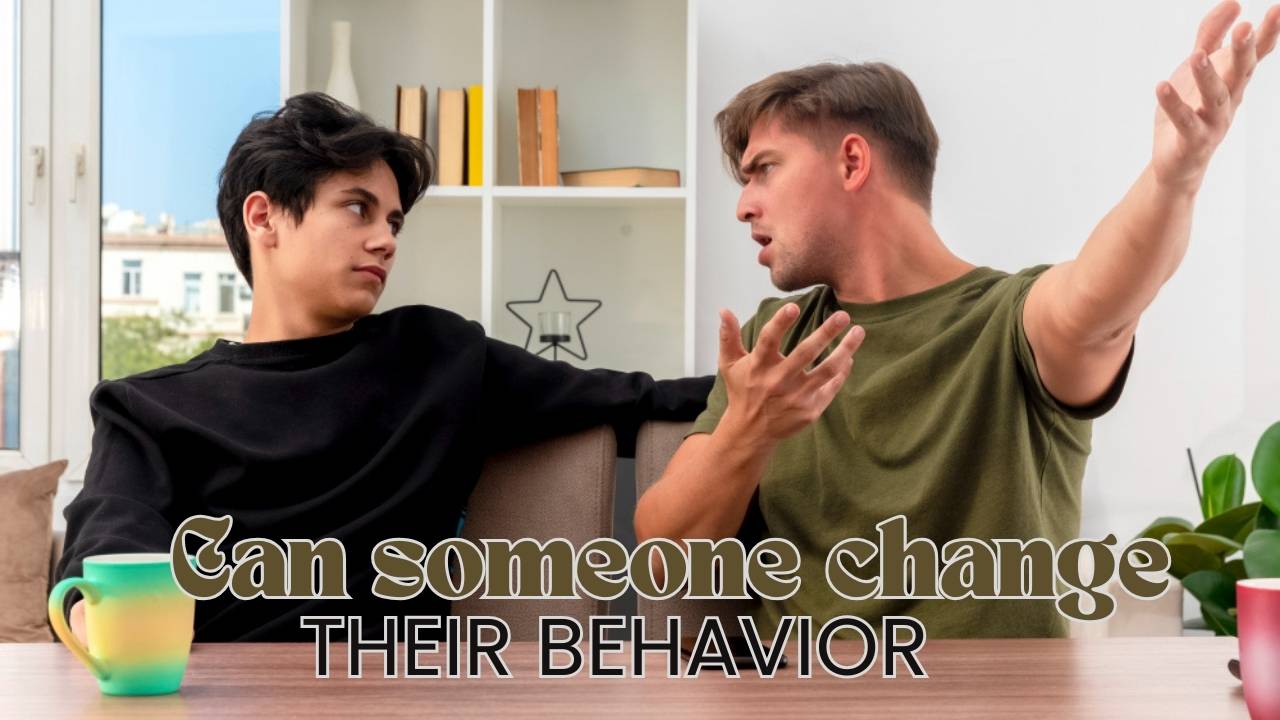
After fifteen years of marriage, Sarah watched her husband finally stop his anger outbursts, something she never thought possible. This leads many to wonder: can someone change their behavior after decades of established patterns?
The answer isn’t simple. While some believe personality is fixed by adulthood, countless stories prove otherwise. People overcome addictions, repair broken relationships, and transform destructive habits daily. However, genuine behavioral transformation requires more than just wanting to change; it demands consistent effort, self-awareness, and often professional guidance.
This article explores the science behind long-term habit change, examining what makes transformation possible and what causes people to fall back into old patterns. Whether you’re hoping a loved one will change or seeking to transform yourself, understanding these principles can make the difference between lasting growth and repeated disappointment.
Understanding Behavioral Change
The question of whether can someone change their behavior has fascinated psychologists for decades. Research confirms that the human brain possesses neuroplasticity, meaning it can form new neural pathways throughout life.
This discovery revolutionized our understanding of personal growth and self-improvement. Unlike earlier beliefs that personality becomes fixed in early adulthood, we now know transformation remains possible at any age.
The Science Behind Habit Formation
Every behavior follows a pattern: trigger, routine, and reward. Understanding this habit loop is essential for anyone attempting lasting change.
When someone repeats an action consistently, the brain creates automatic pathways. These shortcuts help us function efficiently but also make breaking old habits incredibly difficult.
Consider Mark, who spent twenty years as a chronic procrastinator. His brain had wired itself to seek immediate comfort over long-term goals. Through consistent practice and accountability, he rewired those patterns over eighteen months.
Why People Struggle to Change
Many wonder can someone change their behavior when they’ve watched loved ones fail repeatedly. The truth involves understanding common obstacles.
Common Barriers to Personal Growth
Several factors prevent successful behavioral transformation:
- Lack of genuine motivation: External pressure rarely creates lasting results
- Unrealistic expectations: Expecting overnight transformation leads to disappointment
- No accountability system: Isolated efforts often fail without support
- Unaddressed root causes: Surface-level changes ignore deeper psychological issues
- Environmental triggers: Surrounding influences can sabotage progress
Psychological Resistance to Change
The brain naturally resists unfamiliar patterns. This psychological resistance explains why people return to destructive behaviors despite negative consequences.
Fear plays a significant role. Even unhealthy patterns feel safe because they’re familiar. Stepping into unknown territory triggers anxiety that pushes people back toward comfort zones.
Lisa struggled with toxic relationship patterns for years. Each time she promised herself different choices, anxiety about being alone drove her back to unhealthy dynamics. Only after addressing her core fears could she change her behavior permanently.
Signs Someone Is Genuinely Changing
Distinguishing authentic transformation from temporary adjustments matters tremendously. Empty promises create false hope and eventual heartbreak.
Recognizing Authentic Transformation
Genuine behavior modification displays specific characteristics:
- Consistency over time: Real change shows steady progress across months, not days
- Accountability acceptance: They welcome feedback rather than becoming defensive
- Self-initiated effort: Changes happen without constant external pressure
- Acknowledgment of past harm: They take responsibility without making excuses
- New coping mechanisms: Healthy strategies replace destructive ones
Someone truly committed to changing their behavior demonstrates patience with the process. They understand setbacks don’t equal failure and continue moving forward despite difficulties.
How to Support Lasting Change
Whether you’re pursuing personal transformation yourself or supporting someone else, certain approaches increase success rates dramatically.

Practical Steps for Behavior Modification
For those seeking change:
- Start with one specific behavior rather than attempting complete life overhauls
- Identify triggers that activate unwanted patterns
- Create replacement behaviors that satisfy similar needs
- Build accountability partnerships with trusted individuals
- Celebrate small victories to reinforce progress
- Seek professional guidance when necessary
For those supporting others:
Understanding that can someone change their behavior depends partly on environmental support helps set realistic expectations. Your role involves encouragement without enabling.
Avoid rescuing them from natural consequences. Allow them to experience results of both positive and negative choices. This reinforces intrinsic motivation rather than dependence on external validation.
The Role of Professional Help
Sometimes deep-seated behavioral patterns require professional intervention. Therapists provide tools and perspectives unavailable through self-help alone.
Cognitive behavioral therapy shows particular effectiveness for habit change. This approach helps identify thought patterns driving unwanted behaviors and develops healthier alternatives.
James tried quitting gambling independently for seven years. Only after working with a specialized counselor did he understand the emotional void he was attempting to fill. Addressing that core issue finally enabled permanent behavioral change.
Conclusion
So, can someone change their behavior after years of established patterns? The evidence overwhelmingly says yes. However, genuine behavioral transformation requires commitment, patience, and often professional support.
Understanding the science behind habit formation helps set realistic expectations. Change isn’t instantaneous, but it’s absolutely achievable when approached correctly.
Whether you’re working on yourself or hoping a loved one will transform, remember that lasting change demands addressing root causes, building accountability, and celebrating progress. The brain’s remarkable neuroplasticity means it’s never too late for meaningful personal growth and healthier patterns.