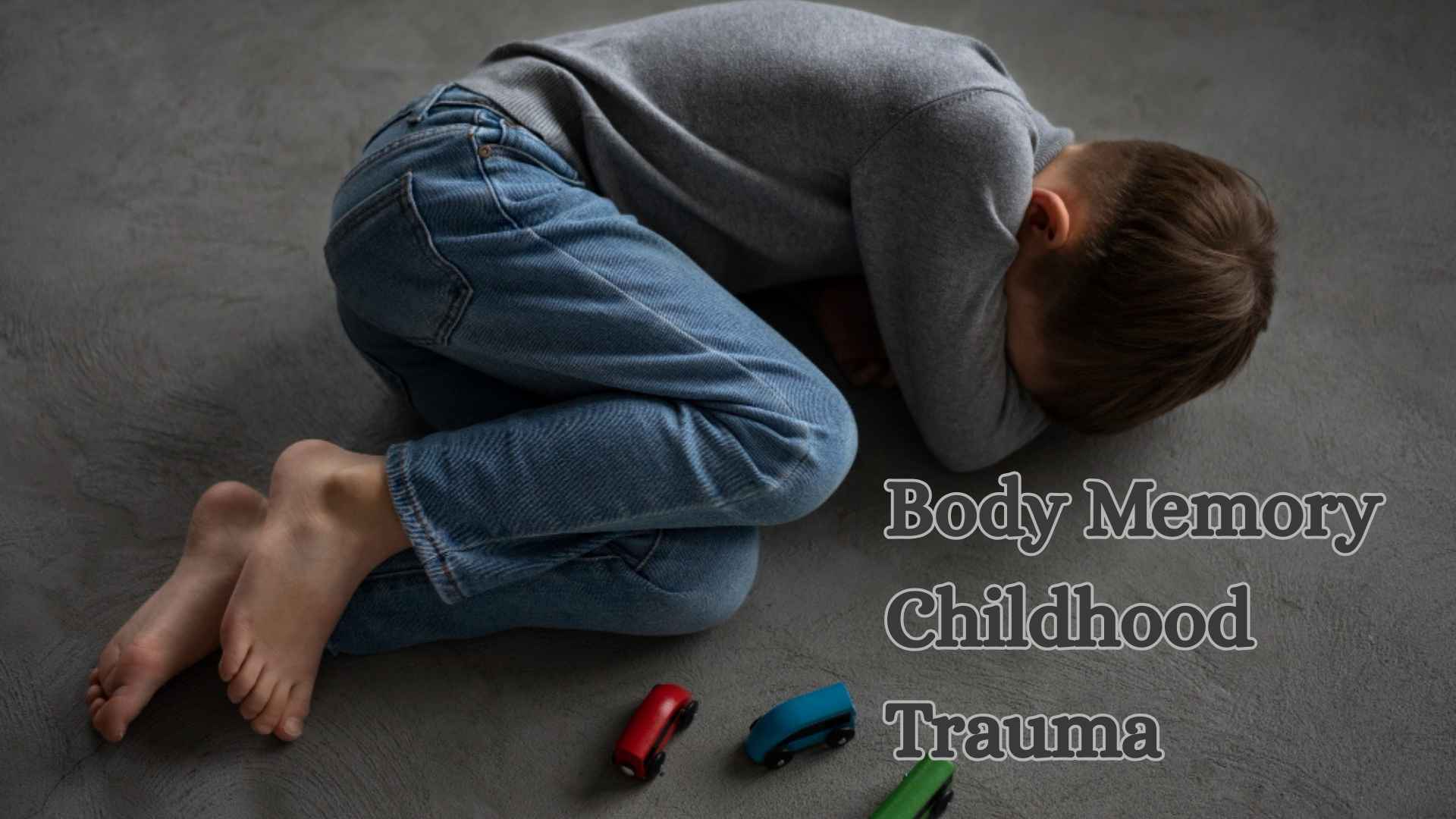
Body memory childhood trauma can silently influence your thoughts, emotions, and physical sensations long after the original events. Traumatic experiences from early life often get stored in the body, leading to tension, chronic pain, or emotional triggers. Recognizing how these memories manifest is the first step toward healing.
This article, titled “Body Memory Childhood Trauma: How Your Body Holds and Releases Emotional Pain,” explores practical approaches to identify, understand, and release stored trauma. You will learn about bold somatic awareness, bold emotional regulation, bold trauma-informed practices, bold mind-body connection, and bold healing techniques. By applying these strategies, readers can develop greater self-awareness, process unresolved experiences, and cultivate resilience, ultimately restoring both emotional and physical well-being in a safe and supportive way.
What Is Body Memory Childhood Trauma?
Body memory childhood trauma refers to the way traumatic experiences from early life are stored in the body. These memories can influence physical sensations, emotional responses, and behavioral patterns even years later. The body often holds onto unresolved trauma through tension, chronic pain, or involuntary reactions. Recognizing this connection between body and mind allows individuals to approach healing more effectively. Bold somatic awareness, bold emotional regulation, and bold mind-body connection are key elements in identifying and understanding these stored memories.
Historical Perspective and Background about Body memory childhood trauma
The concept of body memory has roots in both psychology and somatic therapies. Early psychologists and therapists noticed that trauma often manifested in physical symptoms rather than purely emotional expressions. Over time, approaches like bold trauma-informed practices and somatic therapy evolved to address how the body carries and releases unresolved experiences. Today, integrating bold healing techniques and mind-body strategies is widely recognized as an effective way to process childhood trauma safely and holistically.
Importance of Recognizing Body Memory Childhood Trauma
Significance for Emotional and Physical Health
Ignoring body-stored trauma can lead to long-term emotional distress and physical issues. Body memory childhood trauma impacts stress regulation, emotional well-being, and even immune system functioning. By developing bold somatic awareness and practicing bold emotional regulation, individuals can better manage anxiety, depression, and stress-related physical symptoms.
Enhancing Self-Awareness and Healing
Recognizing body memory promotes bold mind-body connection and helps individuals understand the link between past experiences and present behavior. Developing awareness empowers people to respond to triggers consciously rather than react unconsciously, improving overall emotional resilience.
Core Techniques to Release Body-Stored Trauma
Somatic Awareness Practices
Somatic awareness involves noticing bodily sensations, tension, or discomfort related to past trauma. This allows individuals to reconnect with their bodies and process stored memories.
Practical Steps for Somatic Awareness
- Observe areas of tension or discomfort in daily life
- Use deep breathing to release tightness and promote relaxation
- Practice gentle stretching or yoga to enhance body awareness
- Keep a journal of physical sensations and related emotions
These exercises support bold trauma-informed practices and deepen bold mind-body connection.
Mindfulness and Meditation
Mindfulness helps in observing thoughts and bodily sensations without judgment. Regular practice enhances bold emotional regulation and creates a safe mental space to process trauma.
Mindfulness Techniques
- Daily guided meditation sessions
- Body scan exercises to identify areas of stored tension
- Focused breathing during moments of emotional distress
- Mindful walking or movement practices
Mindfulness encourages bold somatic awareness and reduces the intensity of trauma-related responses.
Therapeutic Interventions
Professional support is crucial for safely processing childhood trauma. Therapies such as somatic experiencing, EMDR, and trauma-informed counseling address how the body stores trauma.
Therapy Strategies
- Somatic experiencing to release physical tension
- Eye Movement Desensitization and Reprocessing (EMDR) for emotional processing
- Guided visualization to reconnect with safe bodily experiences
- Supportive counseling to integrate mind and body insights
These interventions strengthen bold healing techniques and encourage lasting emotional and physical well-being.
Movement and Physical Expression of Body memory childhood trauma
Movement therapies, including yoga, dance, and tai chi, allow trauma to be expressed and released physically. Regular practice improves bold mind-body connection and fosters emotional resilience.
Daily Movement Practices
- Gentle yoga focusing on breathing and posture
- Dance or expressive movement to release stored tension
- Walking or light exercise to promote physical relaxation
- Stretching routines combined with mindful awareness
These practices enhance bold somatic awareness and support holistic healing.

Benefits of Addressing Body Memory Childhood Trauma
Improved Emotional Regulation
Working with body-stored memories helps reduce anxiety, depression, and emotional reactivity. Bold emotional regulation allows individuals to respond calmly to triggers, improving day-to-day life satisfaction.
Enhanced Physical Health
Releasing tension and trauma reduces chronic pain, headaches, and stress-related ailments. Bold mind-body connection ensures that physical well-being is aligned with emotional recovery.
Stronger Self-Awareness and Resilience
Processing trauma enhances bold self-awareness, enabling individuals to recognize patterns, make conscious choices, and build resilience in challenging situations.
Challenges in Healing Body Memory Trauma
Facing Emotional Resistance
Processing trauma can be uncomfortable, triggering past emotions. Patience and bold trauma-informed practices are essential to prevent overwhelm.
Consistency and Support
Healing requires regular practice and often professional guidance. Maintaining bold somatic awareness and integrating daily techniques is critical for sustainable progress.
Real-Life Examples
Example in Personal Life
An individual experiencing chronic back tension discovers it relates to childhood trauma. Through bold somatic awareness and guided breathing exercises, they gradually release stored tension, improving both emotional and physical well-being.
Example in Therapeutic Setting
A client undergoing somatic therapy for anxiety learns to connect bodily sensations to past events. Using bold trauma-informed practices, they release trapped emotions and develop healthier coping strategies, reinforcing bold mind-body connection.
Daily Tips to Process Body-Stored Trauma
- Practice mindful breathing or meditation each morning
- Keep a journal of bodily sensations and emotional responses
- Engage in gentle movement like yoga or stretching
- Attend trauma-informed therapy or support sessions regularly
- Reflect on progress and acknowledge small achievements
These strategies support bold healing techniques, deepen bold somatic awareness, and strengthen bold emotional regulation, fostering long-term recovery.
By consistently applying these practices, individuals can gradually release body memory childhood trauma, enhance emotional resilience, and restore both physical and mental well-being.
Conclusion:
Healing from past experiences requires understanding how trauma affects both mind and body. Body memory childhood trauma often manifests as physical tension, emotional triggers, or behavioral patterns, making bold somatic awareness, bold emotional regulation, and bold mind-body connection essential for recovery. By practicing mindfulness, movement therapies, and trauma-informed techniques, individuals can safely release stored trauma and restore balance. Consistent effort in these strategies fosters emotional resilience, improves physical well-being, and strengthens self-awareness. Addressing these hidden memories allows for lasting healing and a healthier, more empowered approach to life.