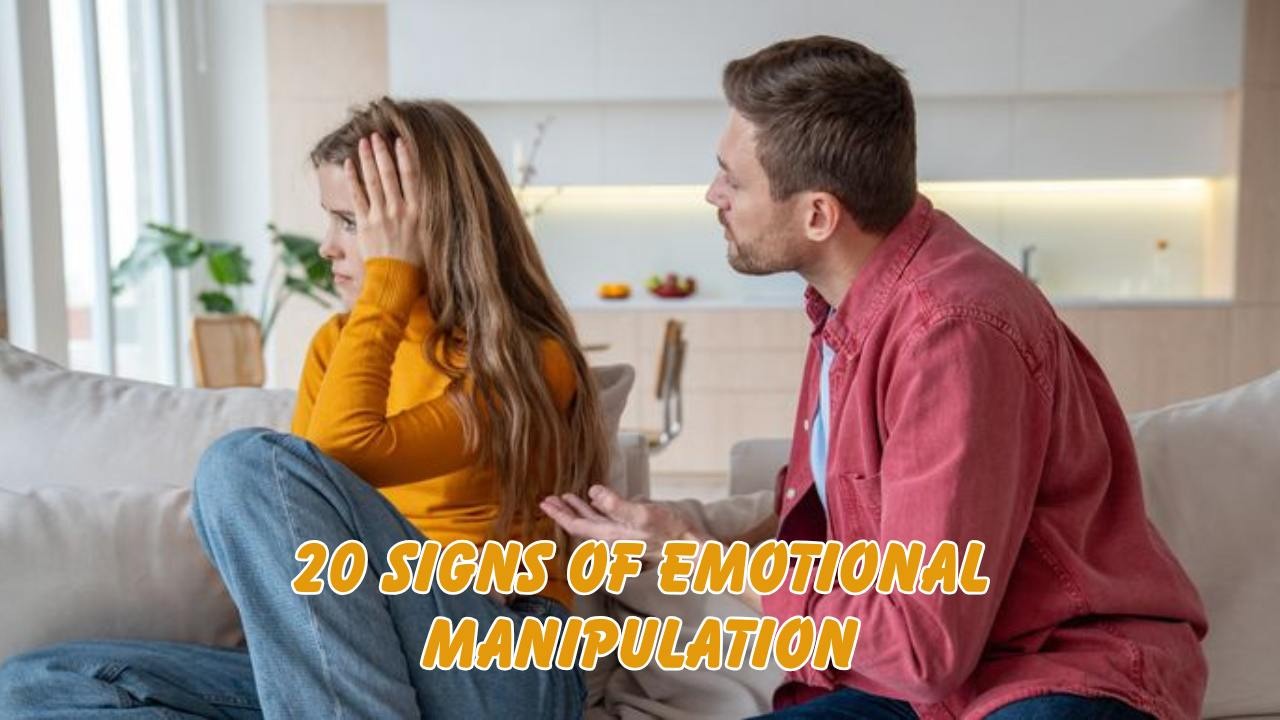
20 signs of emotional manipulation are often subtle, making it difficult to recognize when someone is controlling or influencing your feelings unfairly. Emotional manipulation can occur in personal relationships, work environments, or friendships, impacting your mental health, self-esteem, and overall sense of well-being.
This article explores the most common indicators of manipulative behavior and provides guidance on how to protect yourself. You will learn to identify gaslighting, guilt-tripping, emotional blackmail, and other forms of manipulation. By understanding these behaviors, readers can set healthy boundaries, improve emotional resilience, and maintain stronger, balanced relationships. By the end, you will gain practical insights into recognizing manipulation early and taking steps to safeguard your emotional and psychological health.
Understanding 20 Signs of Emotional Manipulation
20 signs of emotional manipulation refer to the patterns of behavior used by someone to control, influence, or exploit another person’s emotions. Emotional manipulation can appear subtle, making it difficult to recognize in personal relationships, workplace interactions, or even among friends. Recognizing these signs is essential for maintaining mental health, protecting self-esteem, and fostering healthy boundaries.
Historically, psychologists have studied manipulation within family systems and interpersonal relationships. Concepts such as gaslighting, emotional blackmail, and covert control have been identified as key tactics used to influence behavior. Awareness of these patterns allows individuals to understand toxic relationships, improve emotional resilience, and take proactive steps to safeguard their psychological well-being.
Why Identifying Emotional Manipulation Matters
Impact on Mental Health
Manipulative behavior can lead to anxiety, depression, and decreased emotional well-being. Victims often experience confusion, self-doubt, and excessive guilt. Recognizing 20 signs of emotional manipulation early helps prevent long-term psychological effects and preserves mental stability.
Preserving Self-Esteem
When manipulation goes unnoticed, it can erode confidence and self-worth. Understanding these behaviors empowers individuals to set healthy boundaries and maintain self-respect, fostering stronger, more balanced relationships.
Importance for Relationship Health
Identifying manipulation improves communication and reduces toxic behaviors. Whether in romantic partnerships, friendships, or work environments, recognizing these patterns promotes transparency, trust, and healthier dynamics.
Common Signs of Emotional Manipulation
Subtle Guilt and Obligation
Manipulators often make you feel guilty for asserting your needs or disagreeing with them. They may use emotional blackmail, statements of disappointment, or exaggerated reactions to maintain control.
Gaslighting and Reality Distortion
Gaslighting is a tactic where the manipulator denies facts, rewrites history, or questions your memory to make you doubt your perception. This undermines self-trust and creates dependency.
Excessive Flattery and Charm
Some manipulators use praise or charm to influence decisions and gain compliance. These tactics often precede coercion or hidden expectations.
Common Manipulative Behaviors
- Guilt-Tripping – Making you feel responsible for their emotions or actions
- Gaslighting – Denying facts, events, or your perception to make you doubt yourself
- Excessive Flattery – Using charm or praise to influence your decisions
- Playing the Victim – Shifting blame by portraying themselves as the wronged party
- Silent Treatment – Punishing you emotionally by withdrawing communication
- Overreacting to Minor Issues – Exaggerating small problems to gain control
- Threatening Withdrawal – Implying they’ll leave or cut off support to get compliance
- Blaming Others – Refusing responsibility and placing fault on you or others
- Twisting Facts – Rewriting events to suit their narrative
- Withholding Affection – Using love or attention as leverage
- Intimidation – Using tone, body language, or presence to pressure you
- Excessive Monitoring – Controlling your actions, decisions, or relationships
- Withdrawing you from friends or family who provide support
- Conditional Support – Only offering help when you meet their demands
- Constant Criticism – Undermining confidence through frequent negative remarks
- Minimizing Feelings – Dismissing your emotions or concerns as unimportant
- Triangulation – Bringing others into conflicts to manipulate or control outcomes
- Favoritism – Creating competition or insecurity among family members or colleagues
- Exploiting Weaknesses – Using insecurities or vulnerabilities against you
- Making You Doubt Yourself – Undermining confidence through repeated questioning or subtle hints
How Emotional Manipulation Appears in Relationships
Romantic Relationships
In romantic partnerships, manipulation may manifest as jealousy, possessiveness, or subtle control over decisions. Partners may use emotional coercion to enforce compliance or maintain dominance.
Family Dynamics
Within families, manipulation often involves favoritism, criticism, or conditional love. Parenting styles, sibling rivalry, and generational patterns can contribute to long-standing emotional control.
Workplace Manipulation
Manipulative behavior at work can include taking credit for others’ achievements, passive-aggressive communication, or undermining confidence. Recognizing these behaviors helps maintain professional boundaries and emotional resilience.
Examples of Emotional Manipulation
- Making you feel responsible for someone else’s emotions
- Threatening to withdraw affection or support
- Using subtle intimidation to influence decisions
- Overloading with tasks to create guilt or compliance
- Twisting facts to make you doubt your judgment
Strategies to Protect Yourself from Manipulation
Setting Clear Boundaries
Establishing and communicating limits is essential. Boundaries prevent overreach, maintain self-respect, and reduce stress. Consistency reinforces these limits and signals assertiveness.
Developing Emotional Awareness
Understanding your own emotional responses enhances emotional intelligence and reduces susceptibility to manipulation. Recognize triggers, practice self-reflection, and maintain mental clarity.
Effective Communication Techniques
Assertive communication ensures your needs are expressed without aggression. Using “I” statements, active listening, and calm responses helps defuse manipulative tactics.
Practical Steps to Stay Safe
- Identify manipulative patterns early
- Document incidents when necessary
- Seek support from trusted friends or professionals
- Maintain independence in decisions and finances
- Practice self-care and stress management regularly

Long-Term Benefits of Recognizing Manipulation
Improved Emotional Resilience
Recognizing 20 signs of emotional manipulation helps you recover quickly from manipulative attempts and strengthens emotional self-care.
Healthier Relationships
Awareness allows for choosing relationships based on mutual respect and support. This reduces toxic behavior and promotes trust.
Personal Growth and Confidence
Individuals gain confidence in their judgment, assertiveness, and decision-making abilities. Understanding manipulation fosters self-reliance, stronger mental health, and long-term psychological stability.
By learning to identify manipulative tactics and implementing protective strategies, people can maintain autonomy, emotional balance, and healthier interpersonal connections.
Conclusion
Recognizing 20 signs of emotional manipulation is crucial for protecting your mental health, self-esteem, and overall well-being. This article highlighted common tactics such as gaslighting, guilt-tripping, and subtle control, along with examples in relationships, family, and the workplace. By developing emotional awareness, setting healthy boundaries, and practicing assertive communication, individuals can reduce the impact of manipulative behavior. Awareness empowers you to maintain autonomy, foster healthy relationships, and strengthen emotional resilience. Understanding these signs is the first step toward creating safer, more balanced interactions in every area of life.