
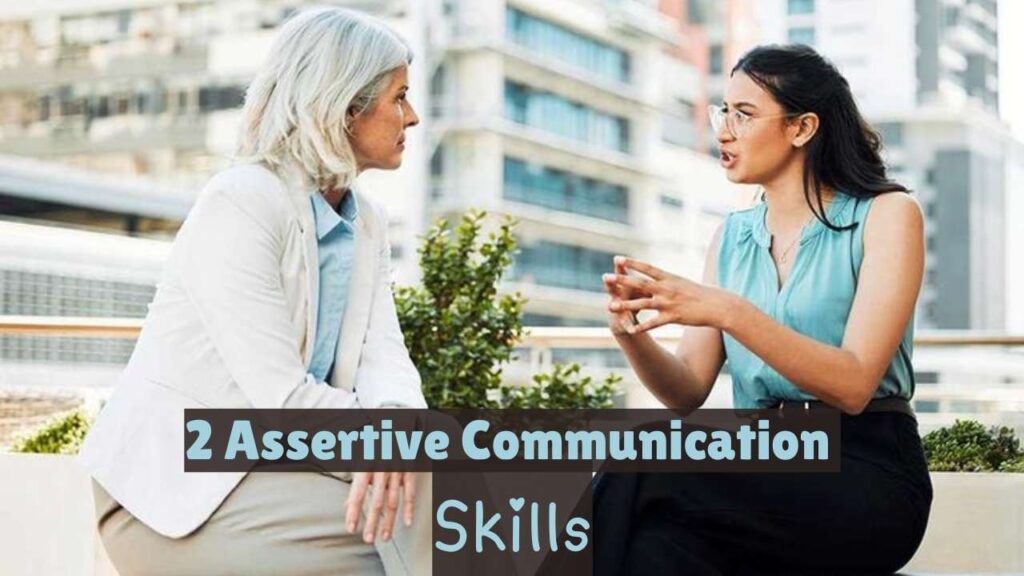
2 assertive communication skills are essential tools for professionals aiming to succeed in today’s competitive workplace. Effective communication is more than just speaking clearly it involves expressing ideas confidently, setting boundaries, and fostering respectful interactions. Many employees struggle to assert themselves without appearing aggressive or confrontational, which can impact professional confidence, team collaboration, and overall workplace productivity.
This article explores the two most critical assertive skills that can transform the way you interact with colleagues, supervisors, and clients. You’ll learn practical strategies to enhance interpersonal communication, handle conflict resolution, and build stronger leadership presence. By mastering these skills, professionals can navigate challenging conversations, maintain emotional intelligence, and ensure their contributions are recognized while maintaining respect and harmony in the workplace.
Understanding 2 Assertive Communication Skills
2 assertive communication skills are essential tools that help professionals express themselves clearly while maintaining respect for others. Assertiveness sits between passive and aggressive communication, allowing individuals to communicate needs, opinions, and boundaries without causing conflict. These skills are critical in ensuring professional confidence, improving interpersonal communication, and enhancing team collaboration.
Historically, workplaces emphasized hierarchical or passive communication, where employees either remained silent or adopted aggressive tones to be noticed. Modern organizational psychology highlights the value of assertiveness in boosting workplace productivity, resolving conflicts effectively, and fostering positive professional relationships. By mastering these skills, individuals can navigate challenging conversations while maintaining emotional intelligence and professionalism.
Skill 1: Clear and Direct Expression
Definition and Importance
The first of the 2 assertive communication skills is the ability to express thoughts and ideas clearly and directly. Clear expression reduces misunderstandings and ensures that messages are received as intended. In workplaces, where decision-making and problem-solving are crucial, this skill enhances clarity and effectiveness.
How to Apply This Skill
- Use simple and precise language to avoid ambiguity
- Focus on facts rather than personal judgments
- Maintain a calm tone to encourage open discussion
- Prepare key points before important meetings
- Practice active listening to ensure understanding
Benefits
Professionals who master clear expression experience improved team collaboration, stronger leadership presence, and reduced workplace stress. Clear communication builds trust and fosters a supportive environment where ideas can be shared freely.
Skill 2: Setting Boundaries Respectfully
Definition and Importance
The second of the 2 assertive communication skills involves establishing and maintaining boundaries without offending colleagues. Boundaries define limits on workload, personal space, and professional interactions. Respectful boundary-setting improves workplace relationships, prevents burnout, and reinforces emotional self-care.
Practical Techniques
- Politely decline tasks when overloaded and suggest alternatives
- Communicate your availability and preferred methods of interaction
- Address intrusive or inappropriate questions calmly
- Set limits on meetings or discussions that affect productivity
- Reinforce boundaries consistently to avoid confusion
Benefits
Setting boundaries ensures sustainable work performance, reduces conflict at work, and enhances overall job satisfaction. It also promotes self-respect and encourages colleagues to respect your limits, fostering a professional and balanced environment.
Challenges in Practicing Assertive Communication
Fear of Negative Reactions
Many professionals hesitate to practice the 2 assertive communication skills due to fear of backlash. They worry about being perceived as aggressive or uncooperative.
Emotional Barriers
High-pressure environments and past experiences may trigger anxiety, making assertive behavior difficult. Developing emotional intelligence helps regulate reactions and maintain calm communication.
Consistency Issues
Maintaining assertiveness consistently can be challenging. Mixed signals weaken credibility and can confuse colleagues. Practicing clear expression and respectful boundary-setting helps build trust over time.
Examples of Assertive Communication at Work
Handling Difficult Conversations
Assertive professionals handle disagreements calmly and respectfully. They express opinions clearly and focus on solutions rather than blame. Conflict resolution skills are strengthened when assertiveness is applied.
Managing Workload and Expectations
When asked to take on additional tasks, assertive employees communicate capacity limits without offending supervisors. This maintains productivity and encourages team collaboration.
Real-Life Examples
- Politely declining extra work while offering alternatives
- Providing constructive feedback without criticism
- Requesting clarification on unclear instructions
- Addressing inappropriate behavior calmly
- Setting clear time limits for meetings or discussions
Developing Assertive Communication Skills
Practice and Feedback
Regular practice and seeking feedback help refine the 2 assertive communication skills. Role-playing scenarios and recording conversations can identify areas for improvement.
Body Language and Tone
Nonverbal cues such as eye contact, posture, and calm tone reinforce assertiveness. Consistency between verbal and nonverbal communication strengthens professional confidence.
Continuous Learning
Engaging in training programs, workshops, or reading materials on interpersonal communication enhances assertiveness. Learning from mentors or coaches can provide practical guidance and motivation.

Long-Term Impact of Assertive Communication
Enhanced Leadership Presence
Assertive employees often emerge as effective leaders. By expressing ideas clearly and setting respectful boundaries, they inspire confidence and trust among team members.
Improved Team Dynamics
Applying the 2 assertive communication skills consistently fosters a culture of respect and collaboration. Teams benefit from reduced conflicts, better problem-solving, and increased productivity.
Personal and Professional Growth
Mastering these skills supports career advancement, emotional stability, and job satisfaction. Professionals who communicate assertively are better equipped to navigate challenges and build meaningful workplace relationships.
Conclusion
Mastering 2 assertive communication skills is essential for expressing ideas clearly, setting respectful boundaries, and fostering stronger workplace relationships. This article highlighted the importance of clear expression and boundary-setting, practical techniques, challenges, and real-life examples to enhance professional confidence, team collaboration, and emotional intelligence. By consistently applying these skills, professionals can reduce conflicts, improve interpersonal communication, and create a balanced work environment. Developing assertiveness not only supports career growth but also promotes long-term job satisfaction, healthier interactions, and overall success in the workplace.