
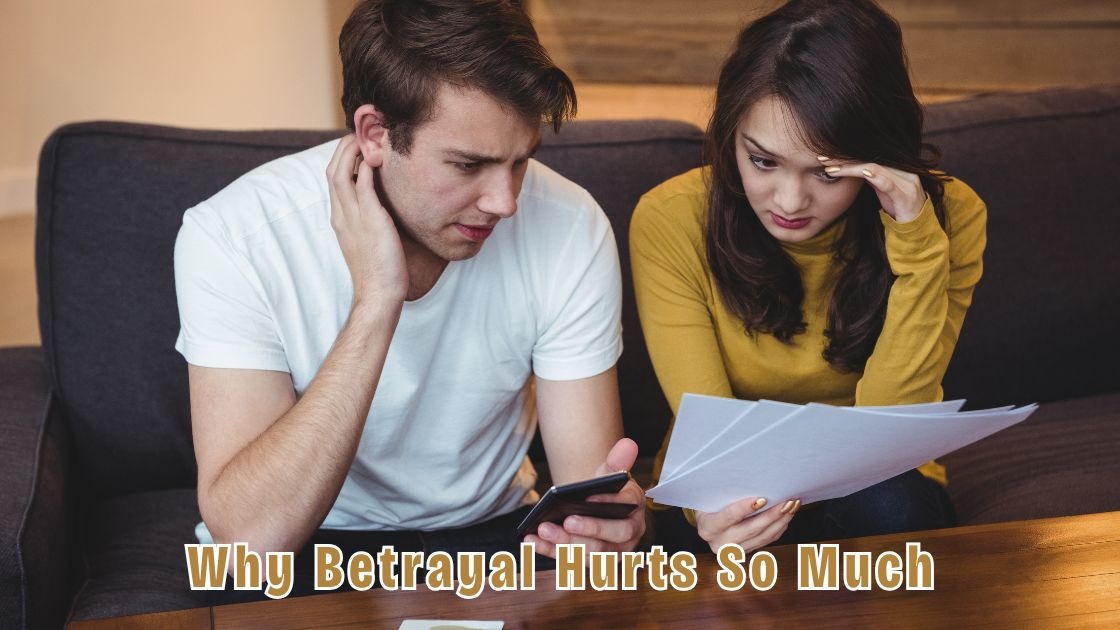
If you have ever been stabbed in the back by someone you deeply trusted, you have probably wondered why betrayal hurts so much and why that pain lingers far longer than you expected. Betrayal is not just an emotional experience it is a deeply psychological wound that shakes your sense of safety, identity, and self-worth. Whether it comes from a partner’s infidelity, a friend’s deception, or a family member’s broken promises, the emotional pain of betrayal can feel as real as physical injury.
This article dives into the science behind betrayal trauma, explores how trust and attachment shape our vulnerability, and offers proven healing strategies that actually work. By the end, you will understand not only why this pain cuts so deep but also how to begin your journey toward genuine recovery and emotional resilience.
Researchers in psychology and neuroscience have spent decades studying why betrayal hurts so much, and their findings reveal something fascinating our brains literally process social rejection and broken trust the same way they process physical pain. That is why a betrayal from someone close can feel like a punch to the chest. The stronger the connection, the greater the pain when it breaks. Feelings of grief after betrayal, confusion, anger, and even shame are all perfectly normal responses that your mind and body use to cope with what feels like an emotional earthquake.
In this comprehensive guide, we will break down the psychological effects of betrayal, examine what happens inside your brain when trust is shattered, and share research-backed recovery methods that therapists and counselors recommend. Whether you are freshly hurting or still carrying old wounds, this article will give you clarity, validation, and a real path forward toward rebuilding trust after betrayal.

Understanding Why Betrayal Hurts So Much: The Psychology Behind the Pain
Betrayal is one of the most devastating emotional experiences a person can face. To truly understand why betrayal hurts so much, we need to look beyond surface level emotions and explore the deep psychological mechanisms at play. At its core, betrayal represents a fundamental violation of trust, which is the foundation of every meaningful human relationship. When someone we love or depend on breaks that trust, it does not just hurt our feelings it disrupts our entire emotional framework and sense of reality.
Psychologists define betrayal as a breach of an implicit or explicit agreement between two people. This breach triggers intense feelings of shock, confusion, anger, and grief. The reason why betrayal hurts so much is that it attacks something deeply personal: our ability to feel safe with another human being. Unlike ordinary disappointments, betrayal carries a unique sting because it comes from someone we chose to be vulnerable with.
How the Brain Processes Betrayal
Neuroscience offers powerful insight into why betrayal hurts so much on a biological level. Studies published in leading psychology journals reveal that the brain processes social rejection and broken trust in the same neural pathways that handle physical pain. The anterior cingulate cortex and the insula, two regions associated with physical suffering, light up when a person experiences emotional betrayal.
This means the pain you feel after being betrayed is not imaginary or exaggerated. Your brain is genuinely processing it as a form of injury. This neurological response explains why betrayal hurts so much and why people often describe the experience using physical terms like “heartbreak,” “gut punch,” or “feeling crushed.”
The Role of Cortisol and Stress Hormones
When betrayal occurs, your body releases elevated levels of cortisol, the primary stress hormone. This flood of cortisol triggers a fight or flight response, leaving you feeling anxious, hypervigilant, and emotionally drained. Prolonged exposure to these stress hormones can lead to sleep disturbances, appetite changes, and even weakened immunity. This biological stress response is another critical reason why betrayal hurts so much and why recovery often takes longer than people expect.
The Emotional Impact of Betrayal on Mental Health
Beyond the initial shock, betrayal leaves lasting emotional scars that can significantly affect your mental health. Understanding why betrayal hurts so much from a psychological perspective helps validate your experience and guides you toward proper healing.
Common Emotional Responses to Betrayal
People who have experienced betrayal trauma often go through a range of intense emotions that can feel overwhelming and unpredictable. Recognizing these responses is the first step toward recovery.
- Shock and Denial: The initial disbelief that someone you trusted could hurt you so deeply, often accompanied by emotional numbness.
- Intense Anger: A powerful sense of rage directed at the person who broke your trust and sometimes at yourself for not seeing the signs.
- Deep Grief and Sadness: Mourning the loss of the relationship as you knew it and grieving the future you imagined together.
- Shame and Self Blame: Questioning your own judgment and wondering if you somehow caused or deserved the betrayal.
- Anxiety and Trust Issues: Developing a persistent fear of vulnerability that makes it difficult to trust anyone in future relationships.
These emotional responses explain why betrayal hurts so much and why the healing process requires patience, self compassion, and often professional support.
Why Betrayal From Close Relationships Hurts the Most
One important aspect of understanding why betrayal hurts so much is recognizing how attachment bonds influence pain intensity. According to attachment theory, our closest relationships form the foundation of our emotional security. When a partner, parent, or best friend betrays us, it shakes the very core of our attachment system.
The deeper the emotional investment, the more devastating the betrayal feels. This is why infidelity in a marriage often hurts more than dishonesty from a casual acquaintance. Your brain has built neural pathways of trust and safety around that specific person, and betrayal essentially short circuits those pathways, leaving you feeling lost and emotionally disoriented.
Proven Recovery Methods: How to Heal After Betrayal
Now that we understand why betrayal hurts so much, the next critical step is exploring effective recovery strategies. Healing from betrayal is not a linear process, but research backed methods can help you regain your emotional strength and rebuild your sense of self.
Allow Yourself to Grieve
Many people try to suppress their pain or rush through recovery, but healing begins with fully acknowledging your emotions. Give yourself permission to feel the grief, anger, and sadness without judgment. Emotional suppression only prolongs the suffering and makes it harder to move forward.
Seek Professional Therapy
Working with a licensed therapist who specializes in betrayal trauma can make a significant difference in your recovery journey. Cognitive behavioral therapy and trauma focused approaches have been shown to help individuals process the intense emotions that explain why betrayal hurts so much and develop healthier coping mechanisms.
Rebuild Trust Gradually
Rebuilding trust, whether in the same relationship or in new ones, requires time and intentional effort. This is not about blindly trusting again but about learning to assess trustworthiness through consistent actions and open communication.

Practical Steps for Emotional Recovery
Therapists and researchers recommend several evidence based strategies that support long term healing after experiencing betrayal.
- Practice Daily Journaling: Writing about your feelings helps process complex emotions and track your healing progress over time.
- Establish Healthy Boundaries: Learning to set clear emotional boundaries protects you from repeated harm and strengthens your sense of self worth.
- Build a Support Network: Surround yourself with trustworthy friends, family members, or support groups who validate your experience.
- Prioritize Physical Wellness: Regular exercise, proper nutrition, and adequate sleep directly support emotional recovery and reduce cortisol levels.
- Embrace Mindfulness and Meditation: These practices help calm the nervous system, reduce anxiety, and bring clarity during emotionally turbulent times.
The Timeline of Healing
One final reason why betrayal hurts so much is that recovery does not happen overnight. Research suggests that healing from significant betrayal can take anywhere from several months to a few years, depending on the severity and the support systems available. Understanding this timeline helps set realistic expectations and prevents discouragement during difficult moments. Every small step forward counts, and with the right approach, full emotional recovery is absolutely possible.
Conclusion
Understanding why betrayal hurts so much is the first and most important step toward genuine healing. Throughout this article, we have explored the neuroscience behind betrayal pain, the emotional toll it takes on mental health, and the powerful role attachment bonds play in intensifying that suffering. The truth is, your pain is real, valid, and backed by decades of psychological and neurological research.
Betrayal shakes the very foundation of trust and emotional safety that we build with the people closest to us. It triggers genuine biological stress responses, floods our bodies with cortisol, and activates the same brain regions responsible for physical pain. This is exactly why betrayal hurts so much and why so many people struggle to recover without the right tools and support.
But here is the hopeful truth: healing is not only possible, it is within your reach. By allowing yourself to grieve, seeking professional therapy, practicing mindfulness, and gradually rebuilding trust through healthy boundaries, you can reclaim your emotional strength and move forward with resilience. Recovery from betrayal trauma is a journey, not a destination, and every step you take matters.
If you are still carrying the weight of broken trust, remember that asking why betrayal hurts so much is not a sign of weakness. Use the research backed strategies shared in this guide, be patient with yourself, and know that brighter days are ahead. You deserve peace, and you are fully capable of finding it.