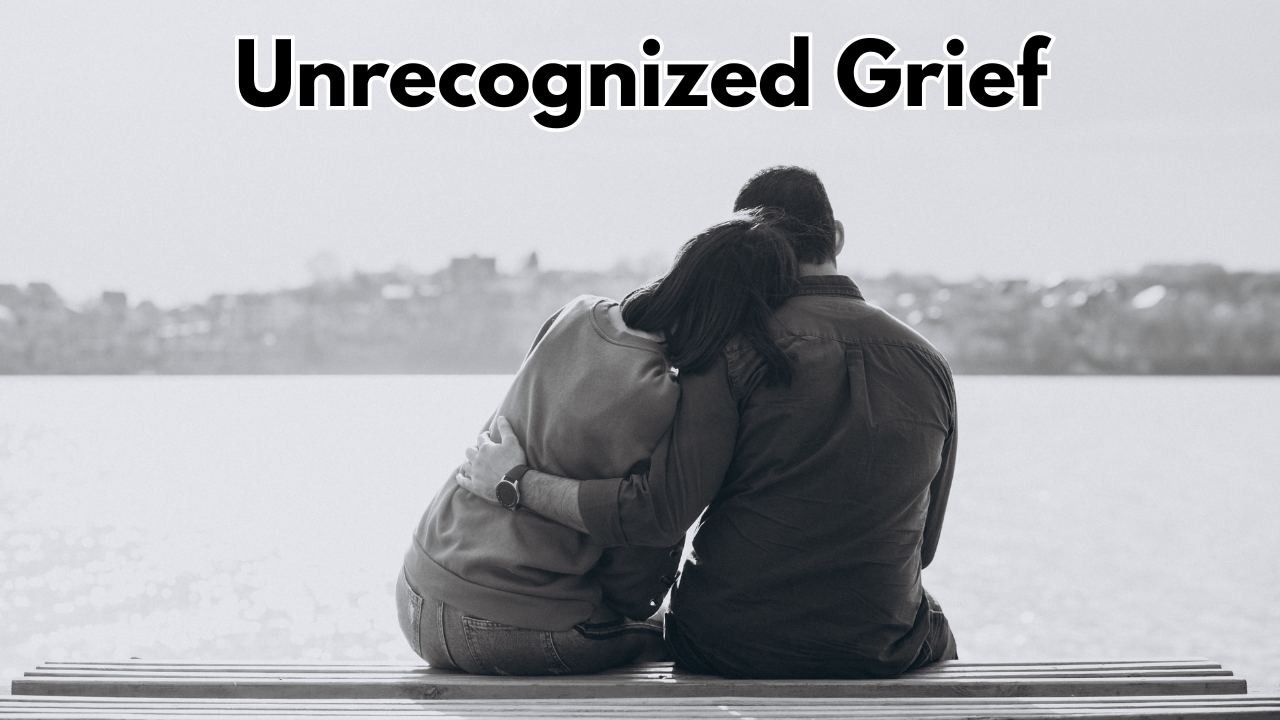
Unrecognized grief often settles quietly into everyday life, shaping emotions and health without clear acknowledgment. Many people experience deep emotional loss that goes unnoticed because it does not fit traditional ideas of grief, leaving them confused about lingering sadness or exhaustion. Over time, this hidden pain can influence mental well-being, strain emotional health, and even affect physical health in subtle ways.
This article explores how overlooked loss develops, why it is so easy to dismiss, and how it impacts both mind and body. You will learn to recognize common signs, understand the role of emotional awareness, and see how suppressed feelings can disrupt stress management and overall psychological balance. By bringing clarity to this often-misunderstood experience, the discussion encourages compassion, self-reflection, and healthier ways to acknowledge and process silent emotional loss.

Understanding Unrecognized Emotional Loss
Unrecognized grief refers to emotional pain that exists without clear acknowledgment or social validation. Unlike traditional grief tied to death, this form of loss may come from unmet expectations, broken relationships, identity changes, or life transitions. Because these experiences are rarely labeled as loss, people often suppress their feelings, affecting emotional health and inner stability. Over time, ignored emotions can quietly influence thoughts, behaviors, and overall mental well-being.
Defining Hidden Grief
Hidden grief occurs when loss is minimized or dismissed, either by the individual or society. This lack of recognition makes healing more difficult.
Emotional Experiences That Often Go Unnoticed
Situations such as career setbacks or lost friendships may trigger emotional suppression, leading individuals to doubt their own feelings and needs.
Historical and Psychological Background
The idea of unrecognized grief gained attention as psychology expanded beyond traditional bereavement models. Researchers and therapists noticed patterns of distress linked to losses that were never openly mourned.
Evolution of Grief Awareness
Earlier models focused mainly on death-related grief. Modern approaches now recognize diverse forms of loss affecting psychological balance.
Cultural Influence on Emotional Expression
Cultural norms often discourage open emotional expression. This can increase stress management difficulties and deepen internal conflict.
Why Addressing Hidden Grief Matters
Ignoring emotional loss can gradually impact daily functioning. Recognizing unrecognized grief is essential for restoring balance and improving quality of life.
Impact on Mental and Emotional Health
Unprocessed emotions may contribute to anxiety, irritability, and reduced focus. Over time, this can weaken mental well-being and self-confidence.
Connection to Physical Health
Emotional strain does not stay limited to the mind. It may manifest as fatigue, tension, or disrupted sleep, affecting physical health.
Benefits of Recognizing Emotional Loss
Acknowledging unrecognized grief allows individuals to begin healing. Awareness opens the door to healthier coping strategies and emotional clarity.
Emotional and Psychological Benefits
Recognition helps validate personal experiences and supports emotional awareness. This validation often brings relief and self-compassion.
Long-Term Lifestyle Improvements
When emotions are addressed, people often experience better relationships, improved decision making, and stronger psychological balance.
Key Benefits of Acknowledgment
- Improved emotional health and self-understanding
- Enhanced mental well-being and focus
- Better stress management in daily life
- Stronger sense of personal identity
Common Challenges in Identifying Hidden Grief
Despite its importance, unrecognized grief can be difficult to identify. Many people struggle to connect their emotions to a specific loss.
Social and Personal Barriers
Society often minimizes nontraditional losses. This discourages open discussion and reinforces emotional suppression.
Internal Resistance to Acknowledgment
Some individuals fear confronting painful emotions. Avoidance may feel protective but often delays healing.
Why People Overlook Their Own Pain
Busy lifestyles and constant distractions make it easy to ignore emotional signals, disrupting emotional awareness.

Real-Life Examples of Silent Loss
Practical examples help illustrate how unrecognized grief appears in everyday life. These experiences are common yet rarely labeled as grief.
Everyday Situations That Trigger Hidden Grief
Events such as relocation, infertility, or unmet life goals can create lasting emotional impact and affect mental well-being.
Simple Examples of Hidden Emotional Loss
- Grieving a lost career opportunity affecting emotional health
- Emotional pain after a friendship fades, harming psychological balance
- Identity loss following major life changes impacting stress management
- Suppressed sadness from unacknowledged family expectations
Healing and Moving Forward
Recognizing unrecognized grief is the first step toward emotional recovery. Healing does not require dramatic change but consistent self-reflection.
Healthy Ways to Process Hidden Emotions
Journaling, counseling, and mindful practices support emotional awareness and reduce internal tension.
Building Emotional Resilience Over Time
Patience and self-compassion help rebuild balance. By honoring emotional experiences, individuals strengthen mental well-being and regain inner stability.
Integrating Awareness Into Daily Life
Living with awareness helps prevent emotional buildup. Addressing feelings early supports long-term emotional health.
Creating Supportive Habits
Regular reflection, open communication, and rest contribute to better psychological balance.
A Sustainable Path to Emotional Clarity
When emotional loss is acknowledged and respected, individuals experience growth, resilience, and healthier connections, creating space for genuine healing and lasting well-being.
Conclusion:
Unrecognized grief often shapes emotional experiences in quiet but powerful ways, influencing thoughts, behaviors, and overall health. By understanding how hidden loss affects emotional health, mental well-being, and psychological balance, individuals can begin to validate feelings that were once dismissed. Acknowledging these emotions reduces emotional suppression and improves stress management in daily life. When silent loss is recognized and processed with care, it supports long-term healing, resilience, and stronger self-awareness. Embracing emotional awareness creates space for growth, helping people move forward with clarity, balance, and a healthier connection to themselves.