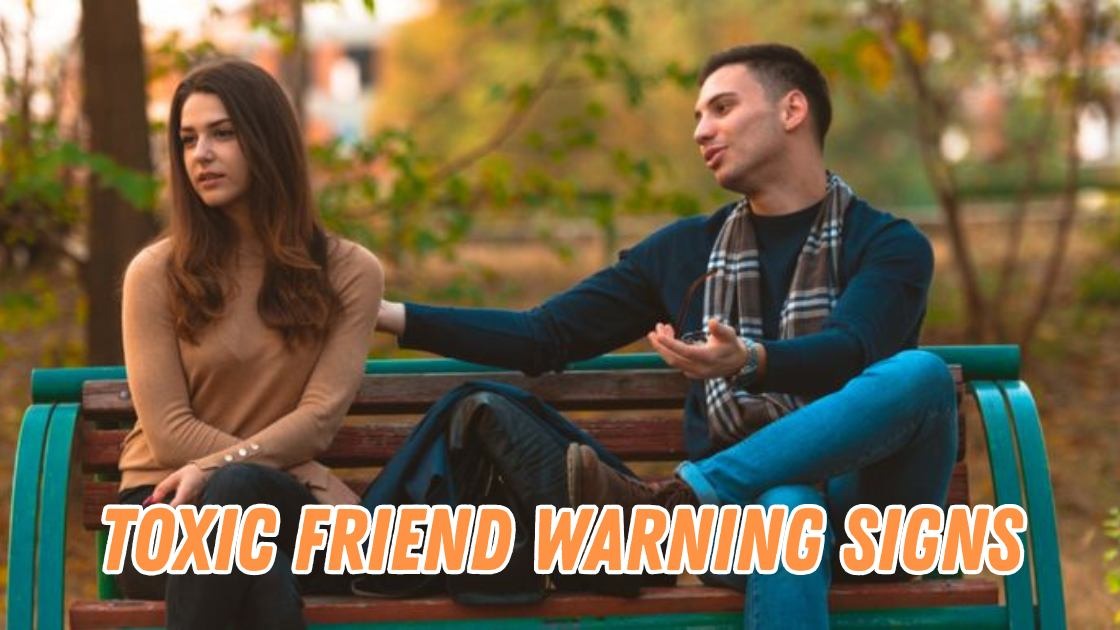
Toxic friend warning signs often appear subtly, making it difficult to recognize when a friendship is harming your emotional health. In this article, we will explore how to identify unhealthy patterns that drain energy and negatively impact mental well-being, emotional balance, and self-esteem. You’ll learn to recognize behaviors linked to manipulation, lack of boundaries, negative communication, and emotional exhaustion.
Understanding these signs helps protect your personal growth and encourages healthier social connections. By becoming aware of these patterns, you can make informed choices, strengthen self-awareness, and create space for supportive, respectful relationships that contribute positively to your life rather than diminishing your happiness.
Understanding Toxic Friend Warning Signs: Definition and Background
It refer to repeated behaviors in a friendship that negatively affect emotional health, confidence, and peace of mind. These signs often include manipulation, lack of respect, and emotional imbalance. Historically, friendships were viewed as sources of mutual support and trust. However, psychology later emphasized the impact of unhealthy social bonds on mental well-being and emotional health. Recognizing harmful patterns helps individuals protect their self-esteem, set healthy boundaries, and prioritize meaningful relationships that encourage personal growth.
How Toxic Friendship Patterns Develop
Unhealthy friendships often form gradually. A lack of emotional awareness and fear of confrontation can cause people to tolerate negative behavior. Over time, consistent patterns such as criticism or control damage emotional balance and reduce life satisfaction.
Why Toxic Friend Warning Signs Matter
Recognizing toxic friend warning signs is essential for maintaining healthy emotional and psychological states. Toxic friendships drain energy, create stress, and weaken confidence. Being aware of these signs allows individuals to protect their mental clarity, strengthen self-respect, and make conscious relationship choices.
Impact on Emotional and Mental Health
Unhealthy friendships often lead to emotional exhaustion, anxiety, and confusion. Persistent negativity affects mood and disrupts inner peace, making it harder to enjoy positive experiences or maintain supportive connections.
Influence on Self-Worth
Friends who constantly criticize or dismiss feelings can erode self-esteem. Awareness of these behaviors helps individuals reclaim confidence and build relationships rooted in mutual respect.
Common Toxic Friend Warning Signs to Watch For
Identifying toxic friend warning signs becomes easier when specific behaviors are observed consistently:
1.Constant criticism that damages self-confidence
2.Manipulative behavior that causes guilt or confusion
3.Lack of respect for personal boundaries
4.Emotional imbalance where support feels one-sided
5.Persistent negativity affecting emotional well-being
Manipulation and Control
Toxic friends may use guilt or emotional pressure to maintain control. This behavior limits personal freedom and weakens emotional resilience over time.
Emotional Guilt Patterns
Repeated guilt-inducing statements create dependency and reduce self-awareness, making it harder to recognize unhealthy dynamics.
Challenges in Recognizing Toxic Friend:
Many people struggle to identify toxic friend warning signs because emotional attachment clouds judgment. Familiarity is often mistaken for loyalty, making it difficult to accept that a friendship may be harmful.
Fear of Confrontation
Avoiding conflict can lead to prolonged exposure to harmful behavior. This avoidance affects mental well-being and prevents necessary boundary setting.
Normalizing Harmful Behavior
Repeated exposure can make toxic traits seem normal. Over time, individuals may ignore warning signs, sacrificing emotional balance for comfort.
Benefits of Addressing Toxic Friend Warning Signs
Taking action after recognizing toxic friend warning signs offers meaningful benefits:
1.Improved mental clarity and reduced stress
2.Stronger emotional boundaries
3.Enhanced self-esteem and confidence
4.Healthier relationships built on trust
5.Greater focus on personal growth
Positive Emotional Shifts
Removing unhealthy influences creates space for emotional healing and renewed motivation. Life feels lighter without constant negativity.
Stronger Relationship Choices
Awareness improves decision-making, helping individuals attract friendships rooted in respect, empathy, and shared values.

Real-Life Examples of Toxic Friend:
Understanding toxic friend warning signs becomes clearer through everyday situations.
In Daily Interactions
A friend dismisses achievements or minimizes feelings, affecting emotional health and motivation.
In Communication
Conversations feel draining rather than uplifting. Constant complaints or passive-aggressive remarks disrupt mental peace.
In Personal Growth
A toxic friend discourages progress, creating fear around change and limiting self-improvement.
The Role of Self-Reflection in Identifying Toxic Friends
Regular self-reflection is essential for spotting toxic friend warning signs that might otherwise go unnoticed. By examining your own feelings, reactions, and energy levels after interactions, you can determine whether a friendship contributes positively or negatively to your emotional well-being. Reflecting on patterns such as feeling drained, anxious, or unappreciated helps in recognizing manipulative behaviors, lack of empathy, or consistent disrespect. Practicing self-awareness not only empowers you to set healthier boundaries but also encourages surrounding yourself with friends who genuinely support your personal growth, happiness, and mental clarity.
Conclusion
Identifying toxic friends is essential for protecting mental well-being and maintaining emotional balance. Recognizing behaviors such as manipulation, disrespect, and one-sided support helps individuals set healthy boundaries and prioritize self-esteem. Addressing toxic relationships encourages stronger personal growth, improved emotional health, and more fulfilling friendships built on trust and respect. By paying attention to these warning signs, people can create supportive social circles that promote positivity, confidence, and lasting happiness, ensuring that relationships contribute meaningfully to overall life satisfaction.