
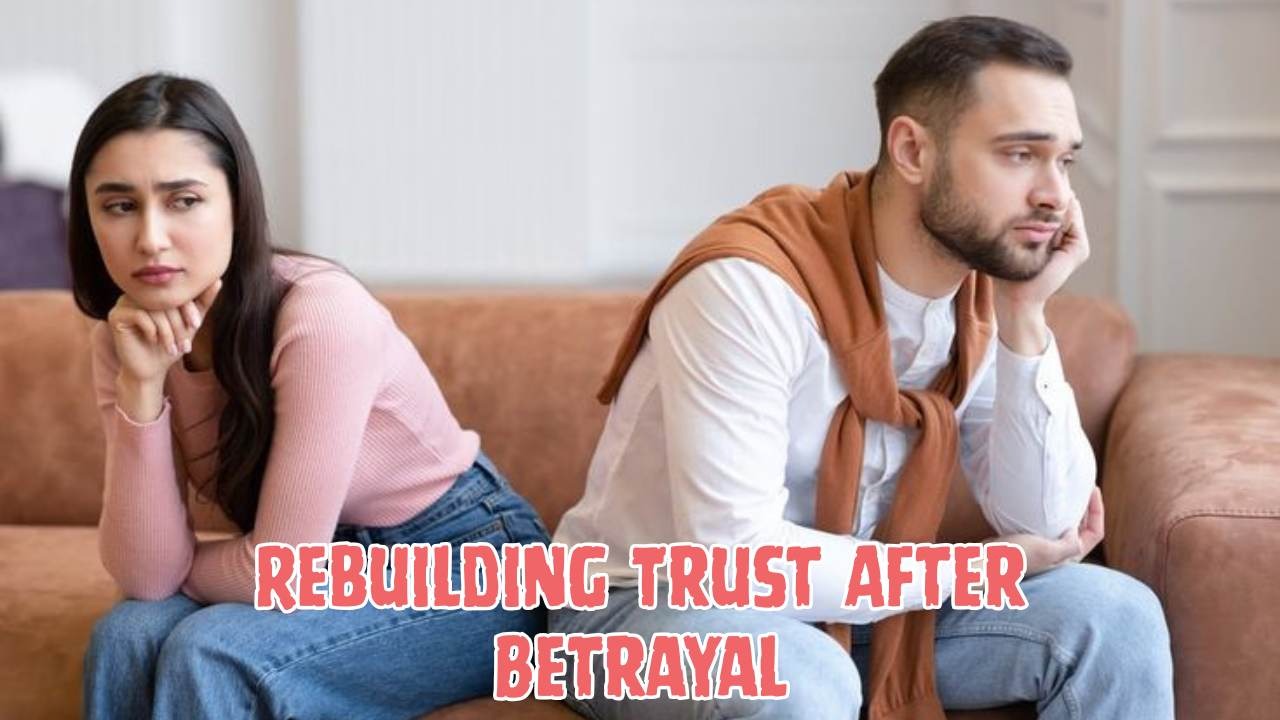
Rebuilding trust after betrayal can feel overwhelming, leaving emotional wounds and doubts that affect both personal and professional relationships. Recognizing warning signs, manipulative behavior, and broken communication patterns is crucial for understanding the depth of the betrayal and beginning the healing process.
This article explores practical strategies for emotional recovery, relationship repair, and setting healthy boundaries while learning to protect your wellbeing. You’ll discover how to identify behaviors that indicate potential harm, rebuild confidence in yourself and others, and take deliberate steps to restore trust. By understanding these dynamics, you can navigate difficult situations with clarity, foster healthier connections, and gradually regain a sense of security and stability in your relationships
Understanding Rebuilding Trust After Betrayal
What Rebuilding Trust After Betrayal Means
Rebuilding trust after betrayal is the deliberate process of restoring confidence and emotional security in relationships following dishonesty, infidelity, or broken commitments. It involves acknowledging betrayal trauma, examining emotional wounds, and taking active steps to repair relationship trust. Understanding this process is critical for preventing repeated cycles of disappointment and fostering healthier connections.
Psychological Perspective
Psychologists note that betrayal impacts the brain’s ability to trust, activating self-protection mechanisms and creating emotional barriers. Awareness of trust issues, manipulative behavior, and broken communication patterns helps individuals rebuild confidence without ignoring past experiences.
Historical and Social Background
The Evolution of Trust in Relationships
Trust has been a cornerstone of social bonds throughout human history. In traditional societies, broken trust could threaten survival, making emotional bonds highly significant. Modern relationships continue to reflect these dynamics, but emotional recovery now plays a larger role in maintaining long-term well-being.
Impact of Modern Lifestyles
Fast-paced lives and digital communication increase opportunities for misunderstandings or manipulative behavior. Recognizing warning signs early prevents further emotional harm and supports self-compassion during the recovery process.
Importance of Rebuilding Trust
Impact on Emotional and Mental Health
Rebuilding trust after betrayal is essential for preserving emotional well-being. Ignoring broken trust can lead to long-term betrayal, trauma, anxiety, and diminished confidence. Rebuilding it restores emotional safety, improves relationship communication, and strengthens self-awareness.
Influence on Relationship Quality
Restored trust improves the overall quality of connections. Healthy relationships encourage emotional support, boundary setting, and mutual respect, while unresolved betrayal undermines both intimacy and stability.
Common Warning Signs of Betrayal
Behavioral and Emotional Indicators
Recognizing red flags helps prevent further harm and initiates the rebuilding process.
1.Consistent dishonesty or omission that erodes relationship trust
2.Repeated manipulative behavior to control or influence decisions
3.Failure to respect healthy boundaries over time
4.Lack of emotional support during critical situations
5.Frequent broken promises that trigger trust issues
Psychological Effects of Ignoring Warning Signs
Failing to acknowledge these signs can deepen betrayal trauma and make future trust harder to restore. Early recognition allows for more effective emotional recovery and safer relationship rebuilding.
Challenges in Rebuilding Trust
Emotional and Cognitive Barriers
One major challenge in rebuilding trust after betrayal is overcoming fear and doubt. Emotional pain often triggers self-protection mechanisms, making individuals hesitant to open up.
Balancing Forgiveness and Self-Protection
It is essential to reconcile the desire to restore trust with the need for personal boundaries. This requires acknowledging trust issues while avoiding hasty forgiveness that could lead to repeated harm.
External Pressures
Influences from family, friends, or social expectations may complicate decisions, making it difficult to prioritize emotional well-being over societal or peer pressures.
Practical Steps to Rebuild Trust
Strategies for Emotional Recovery
Implementing structured strategies helps restore relationship trust while protecting individual well-being.
Effective Techniques
1.Identify patterns of manipulative behavior or broken communication patterns
2.Communicate feelings openly using assertive and honest language
3.Set firm boundaries and monitor adherence over time
4.Engage in self-compassion practices to support emotional healing
5.Gradually increase trust based on consistent, positive actions
These strategies foster emotional recovery, strengthen relationship trust, and reduce trust issues over time.

Real-Life Examples of Trust Rebuilding
Romantic Relationships
A partner who experienced infidelity may struggle with trust issues. Through consistent communication, transparency, and empathy, rebuilding trust after betrayal becomes possible. Emotional recovery allows both partners to reconnect and establish stronger bonds.
Friendships and Social Circles
When a friend betrays confidence, recognizing the warning signs and setting boundaries helps rebuild trust. By practicing self-compassion and observing manipulative behavior, the friendship can recover or be replaced by healthier relationships.
Long-Term Benefits of Rebuilding Trust
Emotional and Social Advantages
Restored trust promotes resilience, enhances emotional support, and strengthens relationship trust. Individuals gain confidence in their judgment, experience reduced anxiety, and enjoy more meaningful social connections.
Personal Growth and Awareness
Acknowledging betrayal and actively working to restore trust fosters self-awareness, boundary setting, and emotional intelligence. These skills help prevent repeated cycles of betrayal and support long-term emotional recovery.
By understanding warning signs, addressing challenges, and implementing practical strategies, rebuilding trust after betrayal becomes achievable. This process strengthens relationships, nurtures personal growth, and ensures emotional security in future interactions.
Conclusion
Rebuilding trust after betrayal is a gradual process that requires patience, awareness, and deliberate effort. By recognizing warning signs, addressing trust issues, and setting healthy boundaries, individuals can protect their emotional well-being while restoring meaningful connections. Practical strategies such as open communication, consistent actions, and self-compassion support emotional recovery and help prevent repeated cycles of disappointment. Restoring trust not only strengthens relationships but also fosters personal growth, resilience, and confidence, ensuring that future bonds are healthier, more secure, and emotionally fulfilling.