
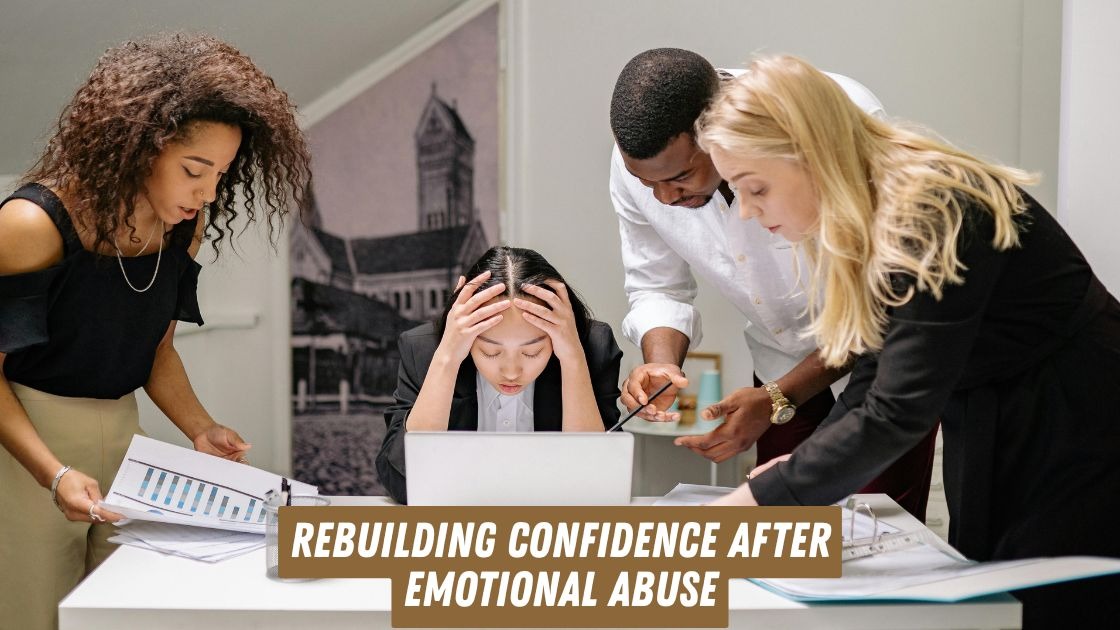
Rebuilding confidence after emotional abuse is one of the hardest journeys a person can face but it is absolutely possible, and you are not alone in it. Emotional abuse leaves invisible wounds that quietly destroy your sense of self-worth, making you question your own thoughts, feelings, and abilities. Whether it came from a partner, family member, or someone you trusted deeply, the damage to your self-esteem after abuse can feel overwhelming. But here is the truth that research supports: your brain and your belief in yourself can heal. This article is built around evidence-based strategies that therapists and psychologists actually recommend for emotional abuse recovery not empty affirmations or generic advice you have already heard a hundred times.
Inside this guide, you will discover how emotional abuse reshapes your thinking patterns and why traditional confidence tips often fall short for survivors. We will walk through practical, science-backed methods for healing from emotional trauma, reclaiming your self-worth after abuse, and building a foundation of confidence that lasts. From cognitive behavioral techniques to nervous system regulation and boundary setting, every strategy shared here is grounded in psychological research and real-world application.
Rebuilding confidence after emotional abuse does not happen overnight, and no one should expect it to. But with the right tools, consistent effort, and a compassionate approach toward yourself, you can move from surviving to truly thriving. This is not about becoming who you were before it is about becoming someone even stronger. If you are a survivor of a toxic relationship looking for real answers, you are in the right place. Let us begin the process of taking your power back, one proven step at a time.
Understanding the Impact of Emotional Abuse on Your Confidence
Emotional abuse is a pattern of behavior designed to control, belittle, and manipulate another person over time. Unlike physical abuse, it leaves no visible marks, which is exactly what makes it so damaging and difficult to recognize. Victims often spend years doubting their own reality before they even identify what happened to them. Rebuilding confidence after emotional abuse starts with understanding how deeply this experience rewires your thinking. Research in psychology shows that prolonged emotional manipulation activates the brain’s stress response system, shrinking the areas responsible for self-perception and decision making. This is not a personal weakness. It is a neurological consequence of sustained psychological abuse.
How Emotional Abuse Reshapes Self-Worth
When someone repeatedly tells you that you are not good enough, your brain begins to accept it as fact. This is known as internalized shame, and it becomes the biggest obstacle in rebuilding confidence after emotional abuse. Survivors often struggle with negative self-talk, perfectionism, and a deep fear of judgment. The abuser’s voice becomes your inner voice, and separating the two takes time, patience, and intentional effort. Understanding this process is the first critical step in emotional abuse recovery and long-term self-esteem healing.
Why Traditional Confidence Advice Falls Short for Survivors
Most mainstream confidence tips are designed for people dealing with everyday insecurities, not trauma survivors. Advice like “just think positive” or “fake it till you make it” ignores the complex emotional and neurological damage caused by toxic relationships. Rebuilding confidence after emotional abuse requires a trauma-informed approach that addresses the root cause rather than putting a surface-level fix on a deep wound. Survivors need strategies that acknowledge their pain while actively reprogramming harmful belief systems planted by their abuser.
The Difference Between General Confidence and Post-Abuse Recovery
General confidence building focuses on skill development and mindset shifts. Post-abuse recovery, on the other hand, involves healing from emotional trauma, restoring trust in yourself, and learning to feel safe in your own identity again. Rebuilding confidence after emotional abuse means working through layers of fear, guilt, and confusion that most people never have to face. That is why a science-backed, structured approach matters so much more in these situations.
Science-Backed Strategies That Actually Work
Now that you understand why this journey is different, let us explore proven methods for rebuilding confidence after emotional abuse that therapists and researchers recommend.
Cognitive Behavioral Techniques for Reframing Negative Beliefs
Cognitive Behavioral Therapy (CBT) is one of the most effective tools for rebuilding confidence after emotional abuse. It works by identifying distorted thought patterns and replacing them with balanced, evidence-based thinking. When your inner voice says “I am worthless,” CBT teaches you to challenge that belief with facts. Over time, this process creates new neural pathways that support a healthier self-image after abuse. Many therapists use CBT as a frontline treatment for survivors because of its strong research backing and practical daily application.
Nervous System Regulation and Somatic Healing
Emotional abuse keeps your body stuck in a state of constant alertness known as hypervigilance. Rebuilding confidence after emotional abuse is not just a mental process; it is a physical one too. Somatic therapy, breathwork, and mindfulness practices help calm your nervous system and reconnect you with your body. When your body feels safe, your mind follows. Techniques like deep breathing, progressive muscle relaxation, and grounding exercises are powerful tools for healing from narcissistic abuse and restoring inner peace.
Setting Boundaries as a Confidence Building Practice
Learning to set and enforce healthy boundaries is a transformative part of rebuilding confidence after emotional abuse. During the abusive relationship, your boundaries were constantly violated or dismissed. Reclaiming them sends a powerful message to your brain that your needs matter. Here are five practical boundary-setting steps for survivors:
- Identify one area of your life where you feel your limits are being crossed regularly
- Practice saying no in low-risk situations to build your comfort level gradually
- Communicate your boundaries clearly without over-explaining or apologizing for them
- Remove or limit contact with people who consistently disrespect your stated limits
- Celebrate every time you honor your own boundary, no matter how small it feels
Building a Supportive Recovery Environment
Your environment plays a significant role in rebuilding confidence after emotional abuse. Surrounding yourself with people who validate your experience and encourage your growth accelerates healing dramatically. This might include a licensed therapist, a trusted support group, or friends who respect your journey. Isolation was likely a tool your abuser used against you, so reconnecting with safe, supportive people is both an act of healing and rebellion against the control you once lived under.
Practical Daily Habits for Long-Term Confidence Restoration
Rebuilding confidence after emotional abuse is not a one-time event. It requires consistent daily practices that reinforce your new belief system. Small habits compound over time and create lasting change in how you see yourself. Here are five daily habits that support self-worth restoration and ongoing recovery:
- Write three things you did well each day in a journal to rewire your brain toward self-recognition
- Spend ten minutes practicing mindfulness or meditation to stay grounded in the present moment
- Replace one negative self-talk statement with a compassionate and realistic alternative every morning
- Engage in one activity that brings you genuine joy without seeking approval from anyone else
- Read or listen to content from trauma recovery experts to reinforce your healing knowledge daily

Tracking Your Progress Without Perfectionism
Why Small Wins Matter More Than Big Milestones
Many survivors fall into the trap of expecting rapid transformation and feeling like failures when it does not happen. Rebuilding confidence after emotional abuse is a gradual process, and tracking small wins is far more effective than chasing perfection. Celebrate the day you spoke up for yourself. Acknowledge the moment you recognized a toxic pattern. These small victories are evidence that your brain is healing, your emotional resilience is growing, and your confidence is returning one brave step at a time.
Knowing When to Seek Professional Support
Rebuilding confidence after emotional abuse on your own is admirable, but professional guidance can make the journey safer and more effective. If you experience persistent anxiety, depression, flashbacks, or difficulty functioning in daily life, reaching out to a licensed trauma-informed therapist is a sign of strength. Therapy provides a structured space to process your experiences, develop personalized coping strategies, and rebuild trust in yourself with expert support. You deserve that level of care, and asking for help is one of the most confident things you can do.
Conclusion
Rebuilding confidence after emotional abuse is not just possible it is something you genuinely deserve. Throughout this article, we have explored how emotional abuse damages your self-image, rewires your thinking patterns, and keeps your nervous system trapped in survival mode. More importantly, we have shared the science-backed strategies that actually help you break free from those patterns and reclaim your identity.
From cognitive behavioral techniques that challenge distorted beliefs to nervous system regulation practices that restore your sense of safety, every method discussed here is grounded in real psychological research. Learning to set healthy boundaries, practicing self-compassion, and working with a qualified trauma therapist are not optional extras in this process they are essential pillars of lasting emotional abuse recovery. Each small step you take toward honoring your needs and trusting your own voice strengthens the foundation of your self-worth after abuse.
It is equally important to remember that healing is not linear. There will be difficult days when old doubts creep back in, and that is perfectly okay. What matters is that you keep moving forward with patience and kindness toward yourself. Rebuilding confidence after emotional abuse takes time, but every effort you invest in your recovery brings you closer to the person you are truly meant to be.
The darkness behind you cannot dim the light you are stepping into. You are defined by the courage it takes to heal, grow, and start again. If this article resonated with you, consider sharing it with someone who might need these words today. Your journey of rebuilding confidence after emotional abuse has already begun and the strongest version of you is waiting on the other side. Never forget that you are worthy of love, respect, and an abundant life filled with genuine emotional wellbeing and peace.