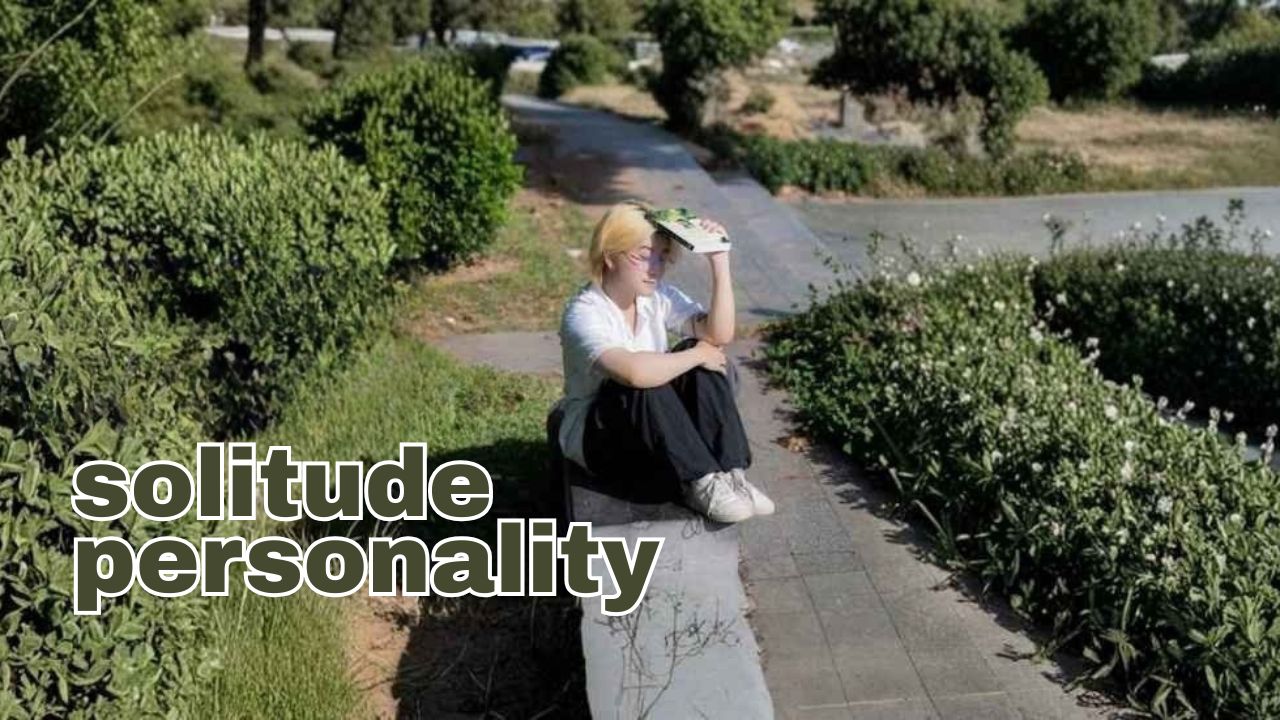
Have you ever wondered what your solitude personality reveals about the real you? When the noise fades and you’re left with your own thoughts, a different version of yourself often emerges one that’s authentic, unfiltered, and refreshingly honest. This hidden self holds valuable insights into your deepest desires, fears, and genuine preferences.
In this article, we’ll explore how alone time shapes your identity and why embracing moments of quiet reflection matters more than ever in our hyper-connected world. You’ll discover how introvert traits influence behavior when no one’s watching and learn practical ways to nurture self-discovery through intentional solitude. Whether you thrive in silence or struggle with being alone, understanding this private dimension of yourself can unlock personal growth you never knew was possible.

What Is Solitude Personality?
Your solitude personality refers to the authentic version of yourself that emerges during quiet moments and private time. It represents your natural behaviors, thoughts, and preferences when social expectations disappear. Unlike the persona you present publicly, this inner self operates without masks or performance anxiety.
The Psychology Behind Your Private Self
Psychologists have long studied how people behave differently in isolation versus social settings. Research shows that self-awareness increases significantly when external distractions vanish. Your brain processes emotions differently during alone time, allowing deeper personal reflection and honest self-assessment.
This phenomenon connects directly to introversion and extroversion spectrums. However, everyone possesses a distinct private identity regardless of their social preferences.
The Historical Context of Solitude and Identity
Ancient Perspectives on Being Alone
Throughout history, philosophers and spiritual leaders have emphasized solitude’s role in self-discovery. Ancient Greek thinkers like Aristotle believed that understanding oneself required periods of isolation. Buddhist monks practiced extended meditation retreats to connect with their inner self.
Modern Understanding of Private Identity
Today’s psychology recognizes that your solitude personality develops through:
- Childhood experiences with alone time
- Cultural attitudes toward independence
- Personal trauma or positive isolation experiences
- Natural temperament and emotional intelligence
Why Understanding Your Solitude Personality Matters
Recognizing who you become in private moments offers tremendous benefits for mental wellness and personal development.
Enhanced Self Knowledge
When you understand your solitude personality, you gain clarity about your genuine preferences. Many people discover they enjoy activities alone that they would never pursue publicly. This knowledge helps you make authentic life choices rather than following social expectations.
Improved Relationships
Paradoxically, knowing your private self strengthens connections with others. You become more honest about your needs and boundaries. Partners and friends appreciate this authenticity, leading to deeper emotional connections.
Better Mental Health
Quiet reflection reduces anxiety and stress by providing mental processing time. Your brain needs periods without social stimulation to:
- Consolidate memories effectively
- Process complex emotions thoroughly
- Generate creative solutions naturally
- Restore depleted mental energy completely
Benefits of Embracing Your Private Self
Personal Growth Acceleration
Your solitude personality often reveals hidden talents and interests. Without judgment from others, you’re free to explore new hobbies, challenge limiting beliefs, and develop mental clarity about your goals.
Increased Creativity
Studies confirm that alone time boosts creative thinking. Your mind wanders productively during solitude, making unexpected connections between ideas. Many artists, writers, and innovators credit isolation for their breakthroughs.
Stronger Decision Making
When you understand your authentic preferences through personal reflection, decisions become easier. You stop second-guessing yourself based on others’ opinions and trust your genuine instincts instead.
Challenges of Confronting Your True Self
Uncomfortable Discoveries
Sometimes your solitude personality reveals aspects you’d rather ignore. You might notice negative thought patterns, unresolved emotions, or values that conflict with your public image. This discomfort, while difficult, creates opportunities for meaningful change.
Social Pressure Against Isolation
Modern society often views alone time suspiciously. Friends may question why you need space. Embracing your private identity requires confidence and clear boundary setting despite external pressure.
Finding Balance
Excessive isolation can become unhealthy. The goal involves honoring your solitude personality while maintaining meaningful social connections. Self-care practices should include both private time and community engagement.
Practical Examples of Solitude Personality Traits
Consider these common differences between public and private selves:
- Someone outgoing at parties who prefers reading alone at home
- A decisive leader who privately struggles with self-doubt
- A quiet colleague who sings loudly when nobody’s listening
- A health-conscious person who secretly enjoys junk food alone
These contrasts don’t indicate dishonesty. They simply reflect natural human complexity and the authentic self that emerges without social performance pressure.

Nurturing Your Authentic Private Identity
To develop a healthier relationship with your solitude personality, start small. Schedule regular quiet moments without screens or distractions. Journal about your genuine thoughts and feelings. Notice what activities bring joy when nobody watches.
This journey toward self-discovery transforms how you experience both isolation and connection.Understanding your private self ultimately enriches every aspect of your life.
Conclusion
Your solitude personality represents the most honest version of yourself. Throughout this article, we explored how alone time shapes identity, boosts creativity, and enhances mental wellness. Understanding your private self improves relationships, accelerates personal growth, and strengthens decision-making abilities.
While confronting your authentic self may feel uncomfortable initially, the rewards far outweigh the challenges. Embracing quiet reflection and regular self-care practices allows you to live more genuinely. Start honoring your need for private moments today. The journey toward self-discovery begins when you finally appreciate who you truly are when nobody’s watching.