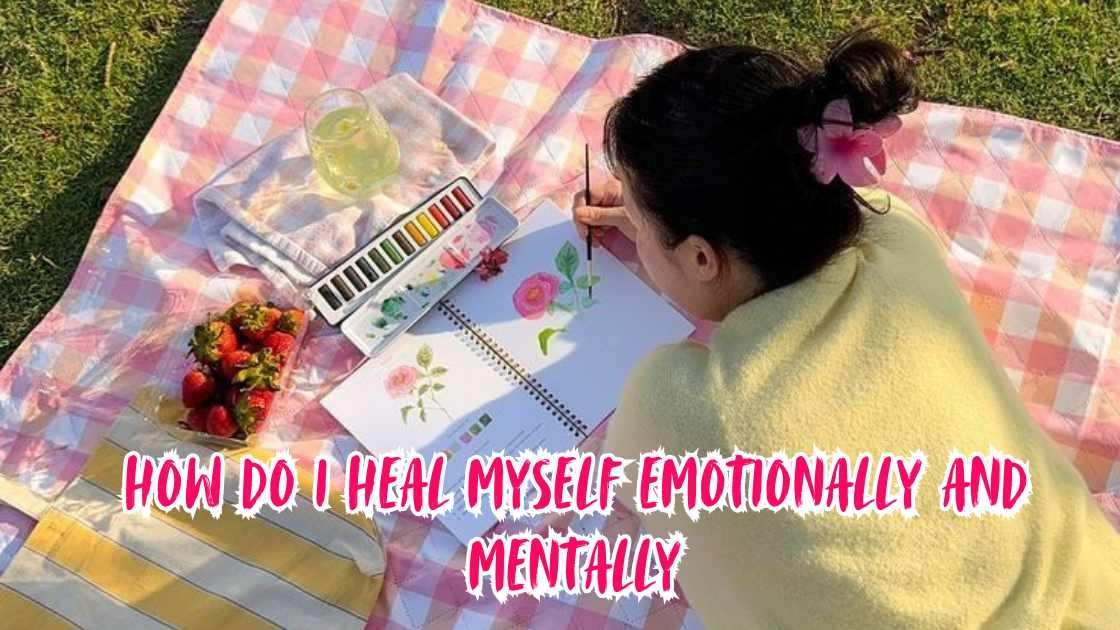
How do I heal myself emotionally and mentally is a question many people ask when facing stress, anxiety, or emotional challenges. Emotional and mental healing is essential for self-awareness, resilience, and overall mental well-being. By addressing past experiences, learning coping strategies, and cultivating healthy habits, individuals can transform their emotional state and build stronger inner strength.
This article explores practical techniques to heal yourself, including mindfulness, meditation, journaling, and positive affirmations. You will also discover ways to reduce stress, enhance emotional intelligence, and strengthen self-compassion. Implementing these strategies consistently supports lasting mental clarity, emotional stability, and personal growth, empowering you to regain balance and confidence in everyday life.
Understanding How Do I Heal Myself Emotionally and Mentally
How do I heal myself emotionally and mentally is a question that reflects the need for self-care, emotional stability, and mental well-being. Emotional and mental healing involves understanding your feelings, addressing past experiences, and developing strategies to cope with stress, anxiety, and negative thoughts. Building resilience, enhancing self-awareness, and practicing mindfulness are essential steps toward achieving inner peace. Healing is a continuous process that promotes personal growth, strengthens emotional intelligence, and improves overall quality of life.
Background and History of how do I heal myself emotionally and mentally
Traditional Approaches
Throughout history, various cultures have emphasized the importance of emotional and mental well-being. Ancient practices like meditation, reflection, and storytelling were used to process emotions and develop mental clarity. Healing was often tied to rituals, social support, and self-awareness practices.
Modern Psychological Approaches
Contemporary psychology highlights structured techniques such as cognitive behavioral therapy (CBT), mindfulness meditation, and journaling. These methods focus on understanding emotions, reducing stress, and promoting resilience, while helping individuals answer the question, how do I heal myself emotionally and mentally effectively.
Importance of Healing Emotionally and Mentally
Emotional and mental healing is crucial for maintaining mental health, emotional stability, and self-confidence. Ignoring emotional wounds can lead to chronic stress, anxiety, and difficulties in relationships. By addressing emotional challenges, individuals can enhance self-compassion, improve decision-making, and foster long-term personal growth. Strong mental and emotional health also supports better coping strategies, increased focus, and overall well-being.
Benefits of Healing Yourself
Reduced Stress and Anxiety
Practicing techniques to heal emotionally and mentally reduces stress, calms the mind, and alleviates anxiety. Mindfulness, deep breathing, and meditation can create a state of mental clarity and inner balance.
Improved Self-Compassion
Healing allows individuals to cultivate self-compassion, letting go of guilt or regret. This encourages self-acceptance and strengthens emotional resilience during challenging times.
Enhanced Emotional Intelligence
Understanding and processing emotions improves emotional intelligence, enabling better communication, empathy, and stronger interpersonal relationships. Emotional awareness helps in recognizing triggers, managing reactions, and promoting mental stability.
Personal Growth and Resilience
Addressing emotional wounds transforms challenges into opportunities for personal growth. Learning from experiences and practicing self-care builds resilience, enabling individuals to handle future stressors more effectively.
Challenges in How Do I Heal Myself Emotionally and Mentally
Facing Past Trauma
One of the main challenges is confronting past trauma or unresolved emotions. This process can be uncomfortable but is necessary for effective emotional healing.
Consistency in Practice
Healing requires regular practice. Techniques like journaling, mindfulness, and affirmations must be applied consistently to strengthen mental resilience and emotional stability.
External Stressors
Life circumstances such as work pressure, relationship conflicts, or health issues can impact the healing process. Developing coping strategies and stress management techniques is essential to maintain progress.

Practical Techniques to Heal Emotionally and Mentally
Mindfulness and Meditation
Mindfulness helps individuals stay present, reduce rumination, and increase emotional awareness. Meditation strengthens mental clarity, promotes relaxation, and enhances self-compassion, addressing the question of how do I heal myself emotionally and mentally.
Journaling and Reflection
Writing down thoughts and emotions allows for introspection, processing experiences, and identifying patterns. Journaling supports self-awareness, stress reduction, and emotional release, facilitating personal growth.
Positive Affirmations and Self-Talk
Using positive affirmations encourages self-acceptance, reduces negative self-talk, and builds confidence. Regular practice of affirmations fosters mental well-being and emotional resilience.
Physical Activity and Lifestyle Changes
Exercise, balanced nutrition, and adequate sleep support emotional stability and overall mental health. Physical activity reduces stress hormones and increases feel-good chemicals, improving mood and resilience.
Seeking Support
Professional therapy, support groups, and trusted friends can provide guidance, validation, and encouragement. Social support strengthens mental resilience, promotes emotional release, and enhances overall well-being.
Habits to Maintain Emotional and Mental Healing
1.Practice daily mindfulness exercises to stay present and calm
2.Engage in regular physical activity to reduce stress
3.Use journaling to process emotions and track growth
4.Apply positive affirmations to reinforce self-compassion
5.Seek professional therapy or support when needed
6.Maintain a balanced lifestyle with nutrition, sleep, and self-care
Long-Term Impact of how do I heal myself emotionally and mentally
Consistently applying strategies to heal emotionally and mentally enhances resilience, promotes self-awareness, and supports mental well-being. Individuals experience reduced stress, stronger relationships, and greater clarity in life. By understanding how do I heal myself emotionally and mentally, people can transform emotional pain into personal growth, build inner strength, and maintain lasting emotional balance, empowering them to navigate life with confidence and stability.
Conclusion:
Healing yourself emotionally and mentally is essential for achieving mental well-being, resilience, and overall how do I heal myself emotionally and mentally. This article explored practical techniques such as mindfulness, meditation, journaling, positive affirmations, and lifestyle changes that help reduce stress, enhance self-compassion, and improve emotional intelligence. By consistently applying these strategies, individuals can overcome negative thoughts, process past experiences, and strengthen mental clarity. Understanding how to care for your emotional and mental health empowers you to maintain balance, foster inner peace, and build lasting confidence in both personal and professional aspects of life.