
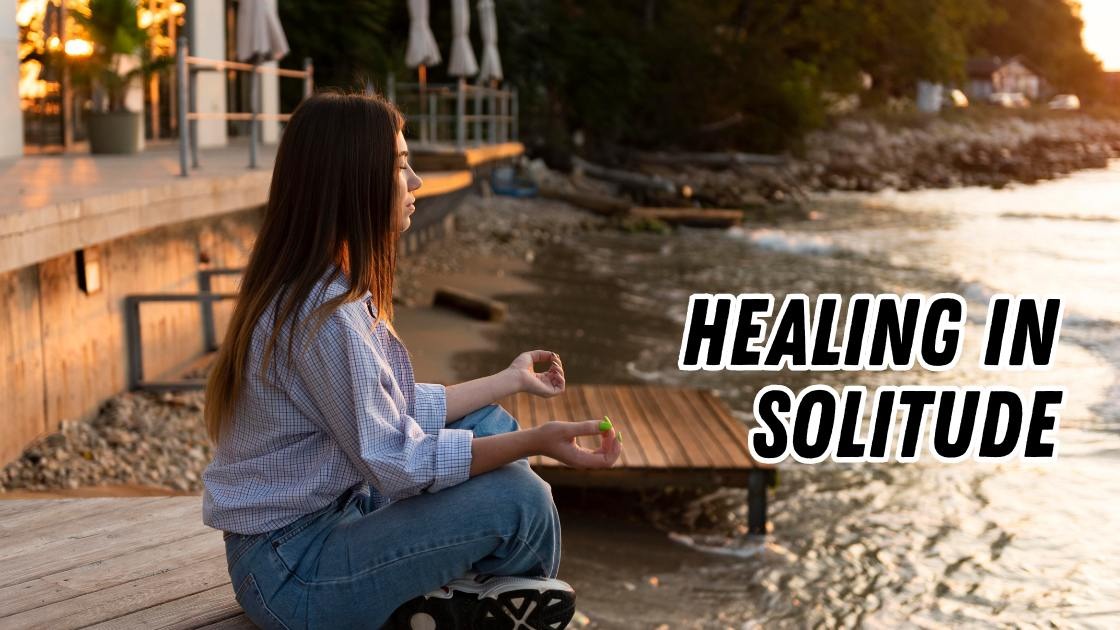
Healing in solitude begins when you intentionally choose quiet moments to reconnect with yourself and restore emotional balance. In a world full of constant noise and expectations, being alone can feel unfamiliar, yet it often becomes the most powerful space for growth. This article explores how intentional solitude supports emotional healing, strengthens inner peace, and builds lasting emotional strength without relying on outside validation.
You will discover how practices like self-reflection and mindful pauses improve mental clarity and encourage meaningful personal growth. Rather than viewing solitude as isolation, this guide reframes it as a supportive environment where emotions can be processed gently. By understanding its value, you can turn alone time into a healing experience that nurtures resilience, awareness, and a calmer connection with yourself.
Understanding Healing in Solitude
What Does Healing in Solitude Mean?
Healing in solitude refers to the intentional choice of spending time alone to reconnect with your inner self and restore emotional balance. It is not about isolation or withdrawal but about creating a safe mental space where thoughts and feelings can surface without judgment. In these quiet moments, emotional healing begins naturally as the mind slows down and processes experiences more clearly.
Solitude allows you to hear your inner voice, something often drowned out by constant interaction. By embracing silence, you gain mental clarity and begin to understand what truly affects your well-being.
Historical and Cultural Background
Across history, solitude has been valued as a path to wisdom and renewal. Spiritual leaders, philosophers, and artists often retreated into quiet environments to gain insight and strength. Practices like meditation, journaling, and reflection were early forms of self-reflection that encouraged inner awareness.
In modern times, the idea has resurfaced as people seek balance in overstimulated lives. Today, Healing in solitude is recognized as a healthy response to emotional overload rather than a sign of weakness.
Why Healing in Solitude Is Important Today
The Impact of Constant Stimulation
Modern life rarely allows mental rest. Social media, work pressure, and endless communication can exhaust emotional reserves. Choosing Healing in solitude creates a pause where the nervous system can reset and regain balance.
Without this pause, stress accumulates and emotions remain unresolved. Solitude offers room for inner peace, helping the mind recover from constant demands.
Connection Between Solitude and Emotional Strength
Spending time alone builds resilience. When you rely less on external validation, you begin to trust yourself more. This process strengthens emotional strength and encourages healthier decision-making.
Solitude teaches patience and self-acceptance. Over time, it becomes easier to face challenges calmly rather than react impulsively.
Key Benefits of Healing in Solitude
Emotional and Mental Benefits
It offers several emotional advantages that support long-term well-being. These benefits develop gradually but remain lasting.
Some key outcomes include:
• Improved mental clarity
• Deeper self-awareness
• Stronger emotional healing
• Enhanced inner peace
When emotions are acknowledged instead of avoided, healing becomes more authentic and stable.
Personal Growth and Self-Discovery
Quiet time encourages honest self-evaluation. Without distractions, patterns and habits become clearer. This awareness supports personal growth and helps you make conscious changes aligned with your values.
Solitude also nurtures creativity. Many people find inspiration when their minds are free from constant noise and comparison.
Challenges of Healing in Solitude
Facing Discomfort and Loneliness
The early stages of Healing in solitude can feel uncomfortable. Silence may bring unresolved emotions to the surface, making some people want to escape distraction again. This discomfort is a natural part of the process.
It is important to distinguish solitude from loneliness. Solitude is chosen and purposeful, while loneliness is a lack of connection. Understanding this difference helps reduce fear.
Overcoming Mental Resistance
The mind often resists stillness because it feels unfamiliar. To move past this resistance, start with small steps. Even a few minutes of quiet can support self-reflection and emotional balance.
Consistency matters more than duration. Gentle routines build comfort with being alone over time.
How to Practice Healing in Solitude Effectively
Creating a Supportive Environment
A calm environment supports Healing by signaling safety to the mind. Choose a quiet place where interruptions are minimal and comfort is prioritized.
Helpful practices include:
- Turning off digital notifications
- Choosing a consistent time for solitude
- Using calming rituals like breathing exercises
These habits encourage mental clarity and emotional openness.
Practical Techniques for Inner Work
Journaling and Mindful Reflection
Writing thoughts down helps organize emotions and identify recurring patterns. Journaling is a powerful tool for emotional healing and deeper self-awareness.
Mindful reflection involves observing thoughts without judgment. This approach reduces emotional intensity and promotes inner peace.

Real-Life Examples:
Personal and Everyday Scenarios
Many people experience transformation through intentional alone time. Someone recovering from emotional burnout may find renewed energy through daily quiet walks. Another person might use solitude to rebuild confidence after loss.
In each case, it provides a space to process emotions at a personal pace, without pressure or comparison.
Long-Term Impact on Well-Being
Over time, solitude strengthens emotional independence. People become less reactive and more grounded. This stability supports healthier relationships and clearer life choices.
By regularly practicing solitude, individuals experience sustainable personal growth and a deeper sense of fulfillment.
Integrating Healing Into Daily Life
Balancing Solitude and Social Connection
Solitude does not replace relationships; it improves them. When emotional needs are met internally, connections become more authentic and balanced.
Even short moments of alone time can support emotional strength and prevent emotional exhaustion.
Building a Sustainable Practice
The key to lasting benefits is consistency. Treat solitude as an essential part of self-care rather than an occasional escape.
With patience and intention, it becomes a reliable source of renewal, guiding you toward clarity, resilience, and lasting inner balance.
Conclusion:
Healing in solitude offers a meaningful way to reconnect with yourself and restore balance in a fast-paced world. Throughout this article, we explored its meaning, importance, benefits, challenges, and practical ways to apply it in daily life. By embracing quiet moments, you support emotional healing, build emotional strength, and cultivate lasting inner peace. Intentional alone time encourages self-reflection, improves mental clarity, and nurtures genuine personal growth. When practiced consistently, Healing becomes a powerful tool for resilience, self-awareness, and long-term emotional well-being.