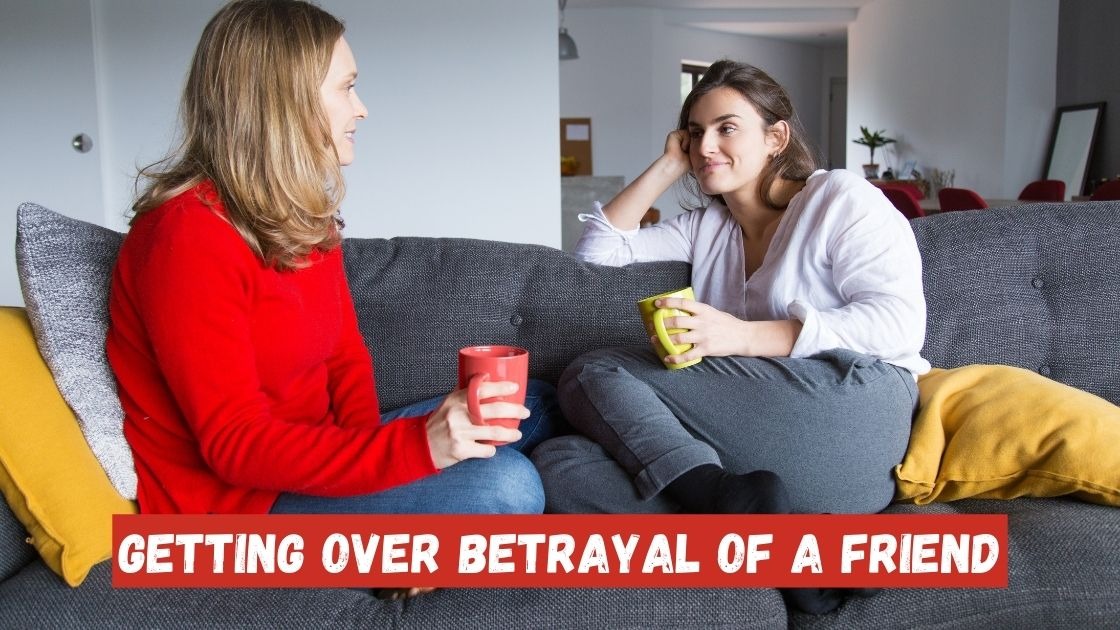
Getting over betrayal of a friend is one of the most emotionally painful experiences anyone can face. Unlike romantic heartbreak, which the world openly acknowledges, the sting of a broken friendship often goes unnoticed leaving you to process the grief in silence. One day you share your deepest secrets with someone you trust completely, and the next day that same person becomes the source of your deepest wound.
Friendship betrayal cuts so deeply because it attacks the very foundation of trust you built over months or even years. You begin questioning your own judgment. You start questioning whether the friendship was genuine from the very beginning. The feelings of anger, confusion, and sadness can become overwhelming, affecting your mental health, daily routine, and even your ability to trust others again. But here is the truth healing from broken trust is absolutely possible, and you do not have to navigate this painful journey alone.
This article is your compassionate guide to getting over betrayal of a friend using trusted, mental-health-focused strategies. Whether you are dealing with a toxic friendship, struggling with emotional healing, or simply searching for healthy ways of coping with betrayal, this guide has you covered.
Inside, you will discover practical steps to process your emotions, protect your peace, set healthy boundaries, and start rebuilding self-esteem after being hurt by someone you cared about. Every strategy shared here is grounded in psychological insight and real human experience so you can move forward with clarity and strength. Let’s begin the journey toward healing, one honest step at a time.
Understanding Friendship Betrayal and Why It Hurts So Deeply
Before you begin getting over betrayal of a friend, it is important to understand why this type of pain feels so intense. Friendship is built on mutual trust, loyalty, and emotional vulnerability. When a friend breaks that sacred bond, it does not just hurt your feelings it shakes your entire sense of safety in relationships.
Psychologists explain that friendship betrayal activates the same brain regions associated with physical pain. This is why getting over betrayal of a friend often feels like a genuine wound that needs time and intentional care to heal. The emotional impact can include feelings of shock, anger, deep sadness, embarrassment, and even symptoms of anxiety or depression.
Common Forms of Friendship Betrayal
Not all betrayals look the same. Understanding the type of betrayal you experienced can help you process your emotions more effectively.
- Sharing your personal secrets with others without your permission
- Spreading false rumors or talking behind your back to damage your reputation
- Choosing sides against you during conflicts without hearing your perspective
- Emotional manipulation or using your vulnerabilities against you for personal gain
- Sudden abandonment during your most difficult and challenging life moments
Recognizing what happened is the first real step toward getting over betrayal of a friend because it validates your pain and gives your emotions a clear direction.
The Emotional Stages You May Experience
Getting over betrayal of a friend is not a straight line. Most people go through distinct emotional phases that mirror the stages of grief. Initially, you may feel shock and denial, refusing to believe that someone you trusted could hurt you this way. This is quickly followed by intense anger, deep sadness, and eventually a slow movement toward acceptance.
Why Suppressing Emotions Makes It Worse
Many people try to skip the painful emotions entirely by staying busy, pretending they are fine, or immediately cutting off all feelings. However, mental health experts strongly advise against emotional suppression. When you push down unresolved feelings, they resurface later as chronic stress, trust issues in new relationships, or unexplained emotional outbursts. Getting over betrayal of a friend in a healthy way requires you to sit with uncomfortable emotions and allow yourself the space to grieve the friendship you lost.
Trusted Mental Health Strategies for Healing
Now that you understand the emotional landscape, let us explore proven strategies that genuinely support getting over betrayal of a friend in a healthy and lasting way.
Allow Yourself to Grieve Fully
Give yourself full permission to feel hurt. Grieving a broken friendship is just as valid as grieving any other significant loss. Cry if you need to. Journal your thoughts. Talk to someone you trust. The goal is not to rush past the pain but to move through it with self compassion and patience. Getting over betrayal of a friend starts the moment you stop pretending everything is okay.
Set Clear and Firm Boundaries
After betrayal, boundaries become your greatest tool for emotional protection. This might mean limiting contact with the person who hurt you, unfollowing them on social media, or clearly communicating what behavior you will no longer tolerate. Healthy boundaries are not about revenge they are about reclaiming your peace and protecting your mental wellness during the healing process.
Seek Professional Support When Needed
There is absolutely no shame in seeking help from a licensed therapist or counselor. A mental health professional can provide you with personalized coping techniques, help you process complex emotions, and guide you through getting over betrayal of a friend with expert care. Therapy options like Cognitive Behavioral Therapy and talk therapy have proven particularly effective for dealing with relationship trauma and rebuilding emotional resilience.
Rebuild Your Self Worth and Confidence
Betrayal often damages your self esteem and makes you question your own value. Actively investing in yourself is a powerful strategy for getting over betrayal of a friend. Focus on activities that bring you joy, revisit old hobbies, set personal goals, and surround yourself with people who genuinely appreciate and respect you. Rebuilding your confidence reminds you that one person’s betrayal does not define your worth.

How Long Does Getting Over Betrayal of a Friend Take
There is no universal timeline for getting over betrayal of a friend. Some people begin feeling better within weeks, while others may need several months to fully process their emotions. The healing duration depends on several factors including the depth of the friendship, the severity of the betrayal, your existing support system, and your personal emotional resilience.
Tips to Speed Up Your Healing Journey
While healing cannot be forced, certain habits can support a smoother recovery process and make getting over betrayal of a friend feel less overwhelming.
- Practice daily journaling to release bottled up thoughts and track emotional progress
- Engage in physical exercise which naturally reduces stress hormones and boosts mood
- Limit social media exposure to avoid constant reminders that trigger painful memories
- Practice mindfulness and meditation to stay grounded and reduce anxious thinking
- Connect with supportive friends or join a community group for emotional encouragement
These small but consistent steps create a strong foundation for lasting emotional recovery.
Moving Forward Without Bitterness
The final and most transformative stage of getting over betrayal of a friend is choosing to move forward without holding onto bitterness. This does not mean you must forgive the person or welcome them back into your life. It simply means you release the emotional weight so it no longer controls your happiness or your ability to trust again.
Choosing Growth Over Resentment
Every painful experience carries a lesson. Getting over betrayal of a friend can teach you to recognize red flags earlier, value your own boundaries, and appreciate the friends who truly show up for you. When you choose personal growth over resentment, you transform a painful chapter into a powerful turning point in your life.
Embracing New and Healthier Friendships
As you heal, you will naturally begin attracting friendships that align with your renewed sense of self worth. Getting over betrayal of a friend ultimately opens the door to deeper, more authentic connections built on mutual respect, honesty, and genuine care. Trust the process, trust yourself, and know that better friendships are waiting for you ahead.
Conclusion
Getting over betrayal of a friend is never a quick or easy process, but it is one of the most important journeys you will ever take for your mental and emotional wellbeing. Throughout this article, we explored why friendship betrayal causes such deep pain, how to recognize when the hurt is affecting your daily life, and the trusted mental health strategies that can guide you toward genuine recovery.
From allowing yourself to grieve and setting healthy boundaries to reframing your narrative and leaning on your support system, every step matters. We also discussed the importance of seeking professional help when the weight of broken trust becomes too heavy to carry alone. These are not just tips. They are lifelong tools that will serve you in every relationship you build from this point forward.
Remember, getting over betrayal of a friend does not mean pretending the pain never existed. It means choosing to grow through it rather than being defined by it. Your ability to heal, set boundaries, and open your heart again is a reflection of your incredible strength, not your weakness.
As you move forward, carry the lessons this experience has taught you. Invest your energy in people who value your loyalty and trust. Prioritize your emotional healing every single day. And never forget that one betrayal does not define the quality of friendships you are capable of building.
You deserve connections that feel safe, honest, and deeply fulfilling. The best friendships of your life may still be ahead of you. Keep healing, keep growing, and keep believing in the power of authentic relationships.