
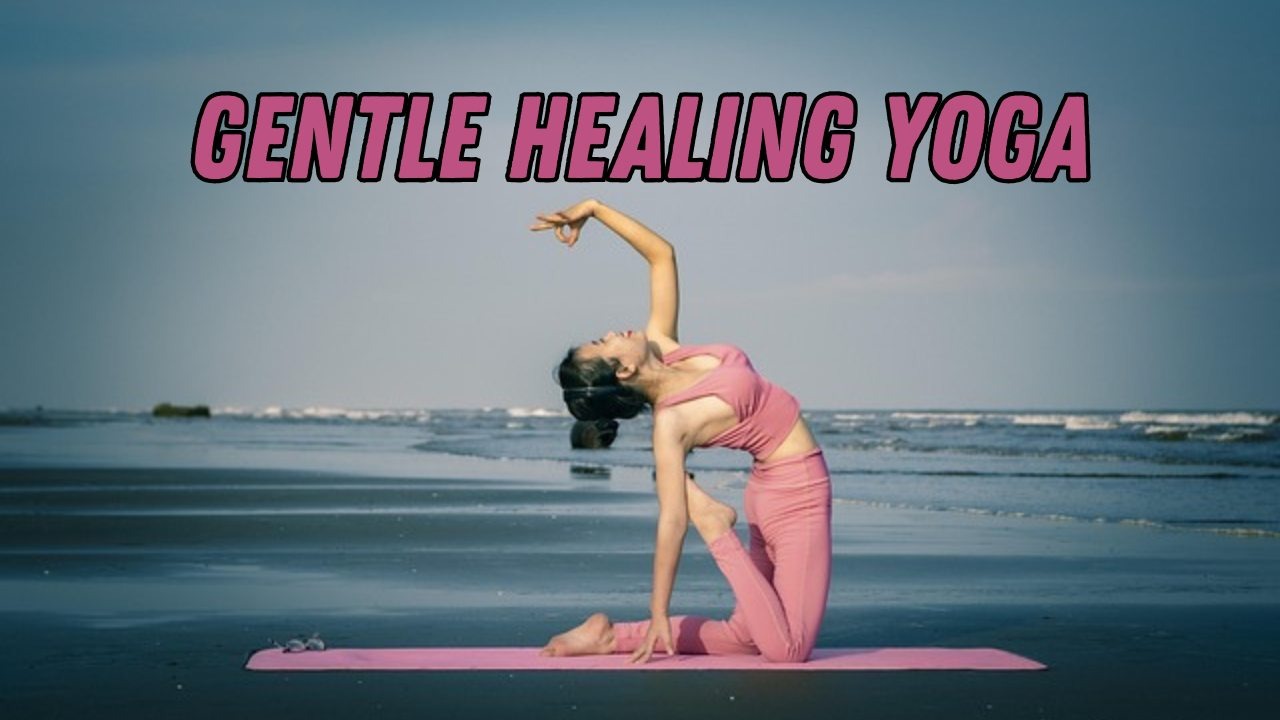
Gentle healing yoga offers a calming pathway to restore balance and release tension from both body and mind. In today’s fast-paced world, practices that promote stress relief, emotional balance, and mindfulness techniques are more essential than ever. This article explores how gentle movements, focused breathing, and restorative poses can help reduce anxiety, improve flexibility, and enhance overall well-being.
We will guide you through step-by-step routines, highlight the benefits of meditation for mental wellness, and provide tips for creating a daily practice that nurtures both inner calm and physical health. Whether you are a beginner or seeking a soothing addition to your existing yoga journey, this guide will offer practical strategies to embrace holistic healing, restore energy, and cultivate lasting peace.
What is Gentle Healing Yoga?
Gentle healing yoga is a restorative form of yoga designed to support both physical and emotional well-being. Unlike more vigorous styles, it focuses on slow, mindful movements, deep breathing, and relaxation techniques. This approach helps relieve stress, improve emotional balance, and strengthen the mind-body connection. By moving mindfully, practitioners develop greater awareness of their bodies while reducing tension and stiffness. The practice also emphasizes restorative poses, which are gentle and supported, making it suitable for beginners, older adults, or those recovering from injury.
Additionally, regular practice encourages meditation for mental wellness and incorporates mindfulness techniques, creating a calm and centered state that can be carried into daily life.
History and Background
Origins of Gentle Yoga
The practice of gentle healing yoga has its roots in traditional Hatha and restorative yoga from India. Historically, yoga combined physical postures, breathing exercises, and meditation to promote overall wellness. Over time, modern adaptations emerged to address the growing need for stress management, emotional healing, and improved well-being in contemporary life. Gentle yoga became popular in therapeutic settings and wellness centers, offering an accessible approach for people seeking low-impact, mindful movement.
Evolution into a Healing Practice
Modern gentle yoga techniques focus on fostering relaxation, enhancing flexibility, and incorporating mindfulness practices that benefit both mental and physical health. By combining ancient wisdom with contemporary therapeutic methods, gentle healing yoga offers a holistic approach to stress relief, holistic healing, and emotional resilience. It has evolved into a practice that anyone can integrate into their routine, promoting long-term mental wellness and self-care routines.
Importance of Gentle Healing Yoga
Supporting Mental and Emotional Health
In today’s fast-paced world, the importance of gentle healing yoga lies in its ability to restore balance and calm the mind. It provides practical tools for achieving emotional balance, reducing stress and anxiety, and enhancing mental wellness. By incorporating mindfulness techniques and meditation for mental wellness, practitioners can develop resilience against daily challenges while fostering inner calm. This practice also encourages the development of sustainable self-care routines, allowing individuals to prioritize both their mental and physical health.
Physical Benefits and Accessibility
Gentle yoga promotes flexibility, strengthens muscles without strain, and improves posture and joint health. Its low-impact nature ensures that it is accessible to people of all ages and fitness levels. By practicing regularly, individuals can enhance circulation, reduce muscle tension, and experience better energy throughout the day. This adaptability makes gentle healing yoga a practical tool for anyone seeking wellness practices that are safe and effective.
Key Benefits of Gentle Healing Yoga
Physical Benefits
Practicing gentle healing yoga can significantly improve physical well-being. The gentle stretches enhance flexibility, support joint mobility, and strengthen muscles without overexertion. Postures such as supported Child’s Pose or Legs-Up-The-Wall Pose also help alleviate tension and promote overall physical relaxation. These movements improve circulation and posture, allowing the body to release accumulated stress naturally.
Mental Benefits
The mental benefits of gentle yoga are equally important. Incorporating mindfulness techniques and meditation for mental wellness reduces stress, enhances focus, and fosters clarity. Regular practice provides a natural way to manage anxiety relief and emotional fluctuations, helping practitioners maintain a calmer and more centered mindset.
Emotional Benefits
Gentle yoga also nurtures emotional health. It encourages inner calm, promotes emotional balance, and strengthens self-awareness. By developing a deeper connection to their bodies and thoughts, individuals learn healthier ways to cope with stress and emotional challenges. Over time, this practice builds resilience and a sense of holistic healing that extends beyond the yoga mat.
Challenges in Practicing Yoga
While yoga is accessible, beginners may encounter certain challenges. Consistency can be difficult for those with busy schedules, and some may initially struggle with restorative poses or integrating breathing exercises into daily routines. Proper alignment is also essential to avoid strain and maximize benefits. Overcoming these challenges requires patience, dedication, and sometimes guidance from experienced instructors. Online classes and wellness communities can help individuals stay motivated and confident as they develop their personal practice, ensuring that the benefits of stress relief, flexibility, and mental wellness are fully realized.

Examples of Gentle Healing Yoga Practices
1. Supported Child’s Pose
This pose gently stretches the back and shoulders while encouraging relaxation. Using a pillow or cushion under the torso enhances comfort and allows practitioners to focus on deep breathing exercises, fostering stress relief and calm.
2. Reclined Bound Angle Pose
Lying on the back with knees falling outward, supported by cushions, encourages full relaxation. Practicing meditation for mental wellness during this pose helps improve focus and emotional regulation.
3. Seated Forward Bend
This gentle stretch promotes flexibility in the hamstrings and lower back while incorporating mindfulness techniques to calm the mind. It is effective for reducing tension accumulated during the day.
4. Legs-Up-The-Wall Pose
A simple yet powerful pose that supports circulation, reduces fatigue, and enhances relaxation techniques.
Conclusion
In summary, gentle healing yoga offers a holistic approach to nurturing the body, mind, and spirit. By combining restorative poses, breathing exercises, and mindfulness techniques, it promotes stress relief, improves flexibility, and enhances mental wellness. Regular practice helps maintain emotional balance, fosters inner calm, and supports long-term well-being. Whether you are a beginner or looking to deepen your practice, embracing gentle yoga can transform daily routines into moments of self-care and holistic healing, creating a healthier, more centered, and balanced lifestyle.