
Friends broke up is an experience that can leave you feeling hurt, confused, and emotionally drained. Losing a close friendship often impacts your mental health, self-esteem, and overall well-being. In this article, we will explore practical coping strategies to manage emotional pain, promote personal growth, and rebuild resilience.
You will learn how to process feelings of loss, set healthy boundaries, and focus on cultivating meaningful connections moving forward. By applying these approaches, readers can transform the end of a friendship into an opportunity for reflection, healing, and improved emotional balance, ultimately fostering stronger relationships and a greater sense of inner peace.

Understanding Friends Broke Up
Friends broke up refers to the end of a close friendship, which can leave emotional scars, affect mental health, and influence overall well-being. Friendships often provide support, companionship, and a sense of belonging. When a bond ends, it can lead to feelings of loss, confusion, and sadness. Understanding why friendships end is crucial for processing emotions and fostering personal growth. Some friendships end due to conflicts, miscommunication, or growing apart, while others fade naturally over time. Recognizing these reasons allows individuals to maintain emotional balance, rebuild resilience, and cultivate healthier relationships in the future.
Common Reasons Friendships End and Friends broke up
Conflicts and Misunderstandings
Disagreements or unmet expectations can strain relationships, impacting trust and emotional connection. Addressing these conflicts earlier can sometimes prevent a breakup.
Life Transitions
Changes such as relocation, career shifts, or evolving personal priorities may reduce interaction, naturally causing distance.
Personal Growth Differences
As people grow, differences in values or goals may lead to diverging paths, making the friendship less compatible over time.
The Importance of Addressing Friends broke up
Acknowledging and processing the end of a friendship is essential for maintaining mental health, emotional well-being, and self-esteem. Ignoring the emotions can lead to prolonged sadness, anxiety, or negative self-talk. Addressing the situation allows individuals to reflect on their experiences, learn from them, and gain insights into personal patterns and boundaries. By processing the breakup, one can build emotional resilience, maintain inner peace, and foster healthier interactions in future friendships.
Benefits of Coping Effectively
1. Improved Mental Health
Processing feelings reduces stress, anxiety, and negative thinking patterns.
2. Enhanced Self-Esteem
Reflecting on experiences strengthens self-confidence and emotional independence.
3. Healthier Future Relationships
Understanding past friendships promotes empathy, better communication, and trust in new connections.
4. Personal Growth
Analyzing experiences fosters self-awareness, emotional intelligence, and better coping skills.
5. Greater Emotional Balance
Healthy coping helps maintain inner peace, positivity, and a stable mindset.
Challenges After Friends Broke Up
Even with awareness, navigating the end of a friendship can be difficult. Emotional attachments, nostalgia, and guilt can create internal conflict. People often struggle to let go, forgive, or accept changes, which may affect mental health and overall happiness. Overcoming these challenges requires deliberate effort, self-reflection, and supportive networks to navigate complex emotions.
Common Emotional Barriers
Grief and Sadness
It’s natural to feel hurt, lonely, or disappointed, but prolonged sadness can reduce motivation and well-being.
Guilt or Regret
Feeling responsible for the friendship ending can create internal stress, affecting self-esteem.
Fear of Loneliness
Anxiety about losing companionship may hinder healing and personal growth.
Strategies to Cope When Friends Broke Up
Applying practical approaches can help individuals navigate emotions and foster personal growth after friendships end.
1. Accept and Acknowledge Emotions
Recognizing feelings of sadness, anger, or disappointment encourages emotional resilience and clarity. Acceptance is the first step toward healing.
2. Engage in Self-Care
Focusing on activities like hobbies, exercise, or mindfulness enhances mental health, reduces stress, and rebuilds self-esteem.
3. Seek Support from Others
Talking with family, friends, or a therapist provides emotional validation, guidance, and strengthens emotional balance.
4. Reflect and Learn
Journaling or reflecting on the friendship promotes self-awareness, helps identify personal patterns, and improves future relationships.
5. Set Boundaries and Move Forward
Creating healthy boundaries or reducing contact with former friends supports healing, emotional freedom, and inner peace.
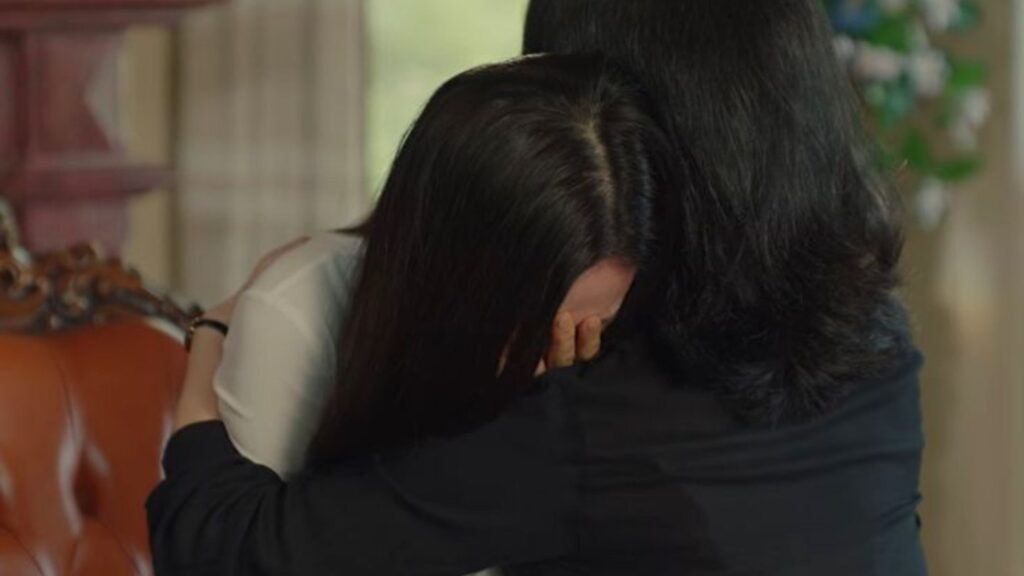
Practical Tips for Moving Forward when Friends Broke Up
- Focus on Positive Relationships: Spend time with supportive friends who encourage growth and provide emotional support.
- Develop New Interests: Engage in hobbies or activities that create purpose and build confidence.
- Practice Mindfulness: Meditation or deep breathing exercises help manage emotional stress and restore balance.
- Forgive and Let Go: Releasing resentment fosters emotional freedom and strengthens resilience.
- Celebrate Personal Growth: Recognize the lessons learned and acknowledge your journey toward self-improvement.
Real-Life Examples of Coping After Friends Broke Up
Individuals often transform emotionally after friendships end. For example, someone who lost a close friend due to a conflict may initially feel lonely and hurt. Through self-reflection, mindfulness, and seeking support, they rebuild self-esteem, strengthen emotional resilience, and form new meaningful connections. Another example involves a friendship that naturally faded over time. Accepting this change and focusing on personal goals allows them to regain inner peace, improve mental health, and foster a positive mindset. These experiences demonstrate that effectively coping with friendship breakups can turn emotional pain into opportunities for growth, happiness, and stronger future relationships.
Conclusion
In conclusion, experiencing friends broke up can be emotionally challenging, but it also provides an opportunity for personal growth, improved self-awareness, and stronger emotional resilience. By acknowledging feelings, practicing self-care, seeking support, and reflecting on friendship, individuals can regain mental health, inner peace, and self-esteem. While navigating the end of a friendship may feel difficult, adopting healthy coping strategies allows for healing, the formation of meaningful new connections, and a renewed sense of happiness and well-being in life.