
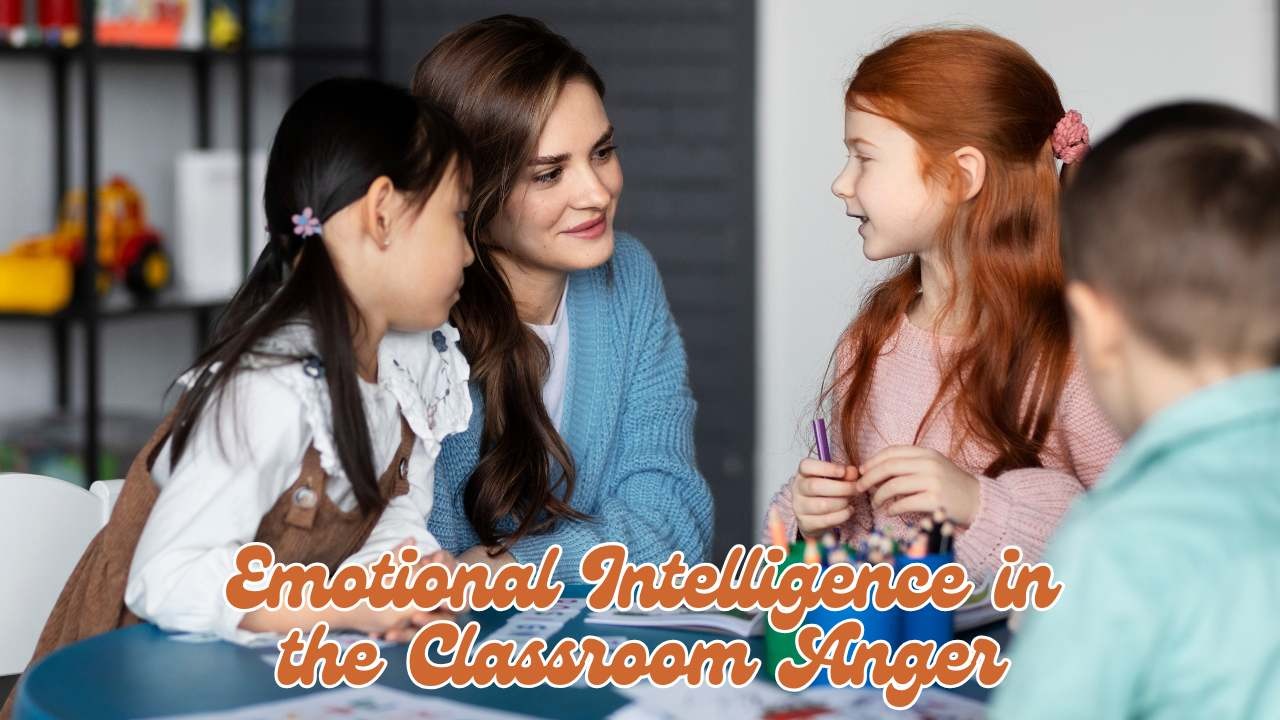
Emotional intelligence in the classroom anger plays a critical role in creating a positive learning environment and supporting student development. When teachers understand how to recognize, interpret, and manage emotions, they can prevent conflicts and help students build self-awareness, empathy, and emotional regulation skills. Classroom anger, if left unmanaged, can disrupt learning, increase stress, and negatively impact student behavior.
This article explores practical strategies for educators to address student anger effectively, focusing on social-emotional learning, communication techniques, and behavioral interventions. Readers will gain insights into fostering emotional resilience, improving classroom management, and promoting a supportive learning atmosphere. By integrating these approaches, teachers can help students navigate challenging emotions, enhance mental well-being, and cultivate a more harmonious and productive classroom environment.
Understanding Emotional Intelligence in the Classroom Anger
Definition and Core Concept
Emotional intelligence in the classroom anger refers to the ability of teachers and students to recognize, understand, and manage emotional responses to challenging situations. When anger arises, either from students or staff, it can disrupt learning and create tension. Developing emotional intelligence allows individuals to respond constructively, fostering a safe and supportive learning environment, improving student behavior, and enhancing overall classroom dynamics.
Historical and Educational Background
The concept of emotional intelligence was popularized by Daniel Goleman and has since been applied to educational settings to improve social-emotional learning. Studies show that students with strong emotional intelligence skills are better able to manage anger, resolve conflicts, and maintain focus. Teachers trained in recognizing emotional cues can reduce classroom stress and build stronger teacher-student relationships, positively impacting academic and behavioral outcomes.
Importance of Managing Emotional Intelligence in the Classroom Anger
Impact on Learning and Behavior
Unmanaged anger in the classroom can lead to disruptions, reduced academic performance, and strained peer relationships. Teaching students how to regulate emotions promotes emotional resilience, enhances concentration, and improves interpersonal skills. Classrooms where emotional intelligence is prioritized report lower instances of conflict and increased student engagement.
Key Benefits of Emotional Intelligence in Anger Management
- Improves self-awareness and recognition of emotional triggers
- Strengthens empathy among students and teachers
- Encourages constructive communication during conflicts
- Enhances problem-solving skills and decision-making
- Promotes mental well-being and stress reduction
Effect on Teacher-Student Relationships
Teachers who demonstrate emotional intelligence can model healthy responses to anger, fostering trust and respect. This strengthens classroom management, reduces disciplinary issues, and encourages a cooperative learning atmosphere.
Common Challenges in Managing Anger
Student Resistance
Some students may struggle to control their emotions due to personality traits, past experiences, or lack of social-emotional skills. Resistance to guidance requires patience, consistent modeling, and reinforcement of healthy coping strategies.
Teacher Stress and Burnout
Educators managing multiple responsibilities may find it challenging to consistently apply emotional intelligence strategies. Without support, this can lead to stress, fatigue, and reduced emotional effectiveness.
Other Contributing Factors
- High-stress classroom environments
- Cultural differences in emotional expression
- Limited training in conflict resolution
- External pressures from administration or parents
- Lack of peer support or mentoring
Strategies to Foster Emotional Intelligence in Managing Anger emotional intelligence in the classroom anger
Self-Awareness and Reflection
Teachers should model self-awareness by recognizing their emotional triggers and responses. Encouraging students to reflect on their feelings helps them identify sources of anger and understand how it affects behavior.
Classroom Techniques
Practical strategies help students regulate emotions constructively:
Practical Steps for Managing Anger in Classrooms
- Implement calm-down corners or designated quiet spaces
- Practice deep breathing exercises or mindfulness sessions
- Use role-playing to simulate conflict resolution scenarios
- Encourage journaling or self-reflection activities
- Promote open communication and active listening
Social-Emotional Learning Programs
Incorporating SEL programs teaches students skills like empathy, emotional regulation, and problem-solving, which are essential for handling anger. Teachers can integrate daily exercises that focus on recognizing emotions and responding appropriately, fostering a culture of mutual respect and understanding.
Benefits of Emotional Intelligence in Classroom Anger Management
Improved Academic Performance
Students who manage emotions effectively demonstrate better focus, participation, and collaboration, leading to enhanced learning outcomes. Emotional intelligence equips them to face challenges calmly, improving engagement and retention.
Stronger Interpersonal Relationships
Teaching emotional intelligence helps students understand the impact of their behavior on others, promoting empathy and reducing conflicts. Healthy expression of anger strengthens peer relationships, classroom cohesion, and teacher-student trust.
Positive Outcomes
- Reduced behavioral issues and disciplinary incidents
- Enhanced social skills and teamwork
- Increased emotional resilience for future challenges
- Better mental health and stress management
- Greater classroom harmony and productivity

Real-Life Examples of emotional intelligence in the classroom anger
Personal Student Scenarios
A student who initially reacts angrily to criticism can, through emotional intelligence strategies, learn to pause, reflect, and respond calmly. Over time, this improves academic focus, self-esteem, and relationships with peers and teachers.
Professional Classroom Settings
Teachers trained in emotional intelligence report lower classroom disruptions and higher student satisfaction. Using techniques such as mindfulness exercises, conflict resolution discussions, and emotional check-ins enhances overall classroom management and reduces stress for both students and educators.
Everyday Benefits
Regular practice of emotional intelligence skills in managing anger contributes to mental clarity, improved focus, and healthier interpersonal interactions. Students gain confidence, emotional stability, and the ability to navigate conflicts constructively.
Long-Term Effects of emotional intelligence in the classroom anger
Sustained Emotional Growth
Integrating emotional intelligence in handling classroom anger cultivates long-term resilience, empathy, and self-regulation. Students develop lifelong skills for managing personal and professional relationships.
Enhanced Learning Environment
Classrooms emphasizing emotional intelligence experience fewer conflicts, better collaboration, and higher engagement. Teachers and students alike benefit from a calm, supportive atmosphere that encourages growth, learning, and emotional well-being.
Emotional intelligence in the classroom anger is a critical tool for fostering a positive, productive, and emotionally balanced educational environment.
Conclusion
Effectively addressing emotional intelligence in the classroom anger is essential for fostering a positive learning environment and supporting both teacher and student well-being. By teaching students to recognize, understand, and manage their emotions, educators can reduce conflicts, enhance emotional regulation, and improve classroom management. Practical strategies such as mindfulness, journaling, role-playing, and social-emotional learning programs empower students to respond constructively to anger, build stronger peer relationships, and develop lifelong emotional skills. Prioritizing emotional intelligence creates a calmer, more productive classroom, promoting academic success, mental clarity, and long-term emotional growth.