
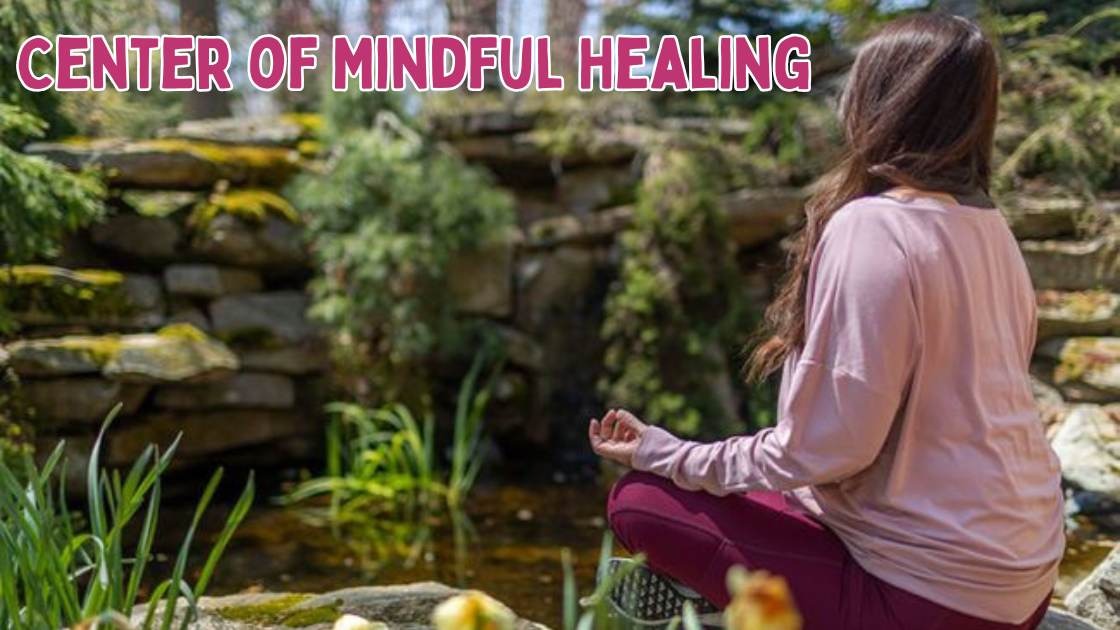
Center of mindful healing offers a holistic approach to managing stress, restoring emotional balance, and promoting inner peace. In today’s fast-paced world, mental and emotional pressures can overwhelm individuals, making it essential to adopt practices that foster mindfulness, emotional resilience, and stress management. This article explores Center of Mindful Healing: Transforming Stress into Emotional Balance and Peace, highlighting practical techniques, guided exercises, and mindful practices that support personal growth and overall wellbeing.
Readers will discover how to cultivate self-awareness, enhance mental clarity, and strengthen emotional regulation through intentional practices. By understanding the tools and principles offered by a center of mindful healing, individuals can reduce anxiety, improve focus, and achieve lasting inner peace, empowering them to navigate life’s challenges with balance and confidence
What is a Center of Mindful Healing
A Center of mindful healing is a dedicated space where individuals practice mindfulness techniques, meditation, and other holistic methods to reduce stress and promote emotional balance. These centers focus on nurturing mental clarity, emotional resilience, and overall wellbeing. The aim is to help people transform anxiety, tension, and negative thought patterns into a state of calm, focus, and inner peace. By integrating structured mindfulness exercises with reflective practices, participants develop stronger coping mechanisms and a deeper understanding of themselves.
Historically, mindful healing has roots in ancient meditation practices, yoga, and Eastern philosophies that emphasized mind-body connection. Today, these centers combine traditional approaches with modern psychological insights to offer practical tools for emotional regulation and personal growth.
Importance of a Center of Mindful Healing
The modern lifestyle often exposes individuals to stress, burnout, and emotional overwhelm. A Center of mindful healing provides a safe and supportive environment to cultivate stress management, self-awareness, and emotional control.
Enhancing Emotional Resilience
Regular practice of mindfulness and reflective exercises helps individuals develop emotional resilience. Resilient individuals are better equipped to handle challenges and maintain mental clarity even in stressful situations.
Example
A participant experiencing work-related anxiety practices guided meditation at the center, gradually reducing stress levels and improving focus.
Promoting Personal Growth
Centers of mindful healing encourage self-reflection, introspection, and intentional living. These practices foster personal growth, self-compassion, and a greater understanding of one’s emotions.
Key Benefits of a Center of Mindful Healing
Engaging with a mindful healing center offers numerous advantages:
- Improved mental clarity and focus
- Enhanced emotional regulation and resilience
- Reduced stress and anxiety levels
- Strengthened self-awareness and mindfulness
- Increased overall wellbeing and inner peace
These benefits demonstrate how attending a center supports both psychological and emotional health, promoting long-term stability and growth.
Core Practices at a Center of Mindful Healing
Centers offer a variety of practices designed to support emotional balance and reduce stress.
Mindfulness Meditation
Mindfulness meditation teaches individuals to observe thoughts and feelings without judgment, improving emotional resilience and stress management.
Example: Daily Meditation
Spending 10–15 minutes practicing focused breathing helps participants remain calm and centered, even during challenging situations.
Yoga and Movement
Incorporating yoga and mindful movement enhances the connection between body and mind. This practice improves physical wellbeing, reduces tension, and fosters emotional equilibrium.
Breathing Exercises
Controlled breathing techniques calm the nervous system, helping individuals manage stress and anxiety effectively.
Example
Box breathing involves inhaling for 4 seconds, holding for 4, exhaling for 4, and holding again for 4 seconds. Practicing this during stressful moments enhances mental clarity and emotional stability.
Reflection and Journaling
Centers encourage journaling to reflect on experiences, track emotional patterns, and promote self-awareness. This practice aids in identifying triggers and developing proactive coping strategies.

Challenges in Practicing Mindful Healing
Although beneficial, engaging fully in mindful healing practices can pose challenges.
Consistency and Discipline
Regular practice is required to experience lasting benefits. Without discipline, individuals may struggle to maintain emotional balance.
Overcoming Skepticism
Some participants may initially doubt the effectiveness of meditation or reflective exercises. Open-mindedness and gradual engagement can overcome these barriers.
Example
A busy professional may feel skeptical about mindfulness at first but, with structured guidance, experiences significant stress reduction and improved focus.
Emotional Resistance
Facing suppressed emotions during mindful practices can be uncomfortable. Supportive guidance from instructors helps participants navigate these feelings safely.
Real-Life Applications of Mindful Healing
Practicing skills learned at a center can be applied in daily life to maintain mental clarity and emotional wellbeing.
Workplace Application
Employees who attend mindfulness sessions apply breathing techniques during stressful meetings, improving stress management and focus.
Personal Life Integration
Participants incorporate meditation, reflective journaling, and mindful walking into daily routines to enhance self-awareness and reduce anxiety.
Example Scenario
A participant feeling overwhelmed before a family event practices guided breathing and journaling, resulting in calmer interactions and greater emotional control.
Long-Term Impact of a Center of Mindful Healing
Consistent engagement with a Center of mindful healing promotes sustained emotional resilience, personal growth, and mental clarity.
Creating Sustainable Practices
By integrating mindfulness, yoga, reflective journaling, and breathing exercises into daily life, individuals maintain inner peace and manage stress proactively.
Conclusion:
Engaging with a center of mindful healing provides powerful tools to manage stress, enhance emotional resilience, and cultivate lasting inner peace. Through practices such as mindfulness meditation, breathing exercises, reflective journaling, and yoga, individuals can develop greater self-awareness, improve mental clarity, and strengthen emotional regulation. Consistent participation promotes personal growth, reduces anxiety, and supports overall wellbeing. By integrating these techniques into daily life, individuals can navigate challenges thoughtfully, maintain balance, and achieve long-term emotional and mental health, demonstrating that mindful healing is essential for a calmer, more centered life.