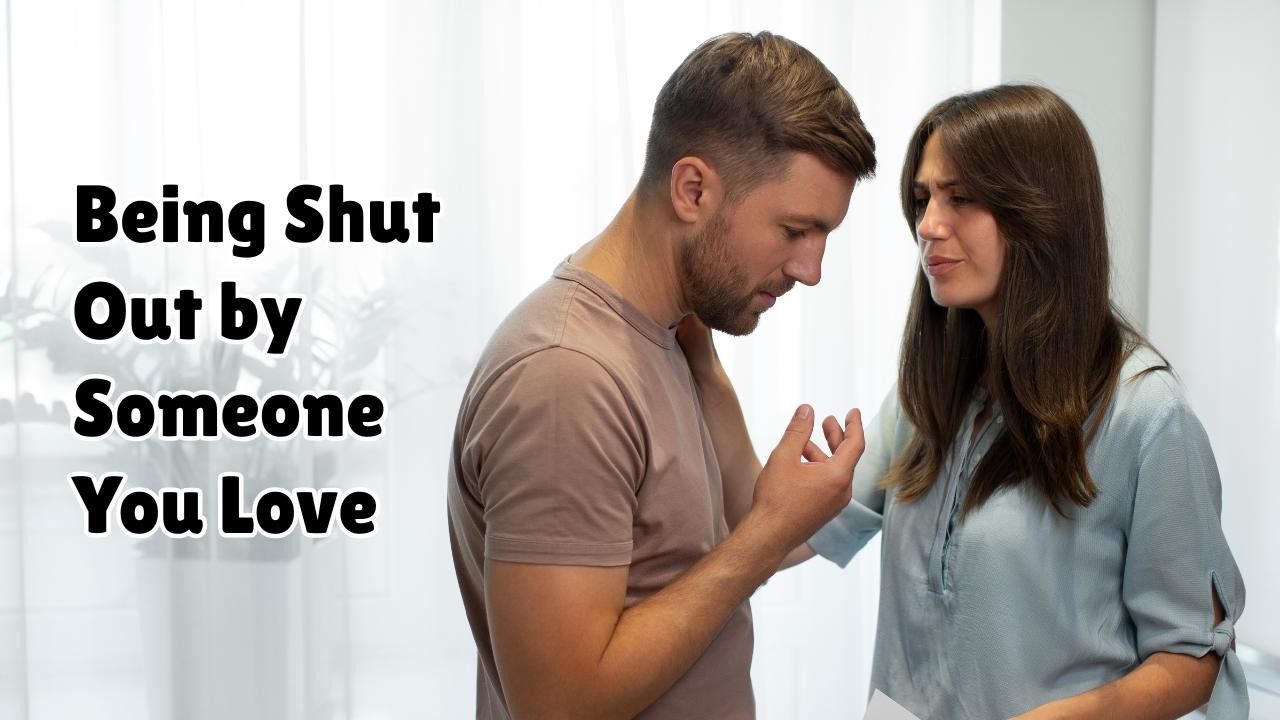
Being shut out by someone you love can feel like an unexpected storm hitting your heart, leaving confusion, sadness, and loneliness in its wake. Many people struggle with understanding why their partner or loved one withdraws, often leading to emotional pain, relationship challenges, and communication breakdowns. In this article, we will explore practical ways to cope with emotional distance, recognize the signs of emotional detachment, and rebuild connection in a healthy way. You will also learn strategies for maintaining your mental well-being, managing relationship anxiety, and fostering personal resilience during this difficult period. By understanding the reasons behind this emotional shutdown and learning actionable coping techniques, you can navigate the complexity of relationships while protecting your own emotional health.
Understanding Being Shut Out by Someone You Love
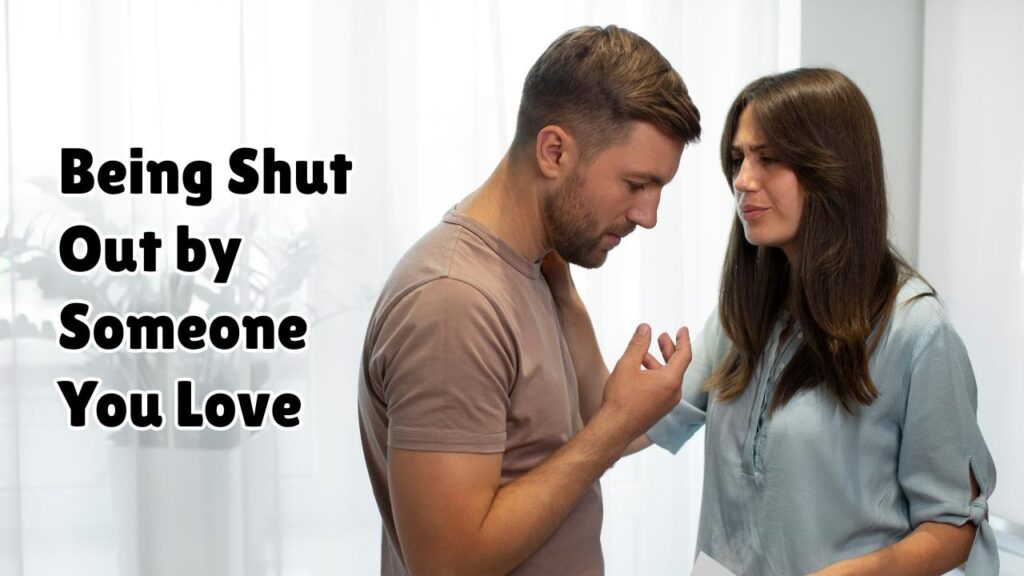
Being shut out by someone you love is an emotionally challenging experience where a person you care deeply about distances themselves from you. This withdrawal can occur in romantic relationships, friendships, or even family bonds. Emotional withdrawal often leaves individuals feeling rejected, anxious, and unsure of how to respond. Understanding the signs of emotional detachment is the first step toward coping with this situation. Common behaviors include reduced communication, avoidance of personal conversations, and a noticeable lack of intimacy or shared experiences. Recognizing these signs early can help in taking proactive steps to maintain your emotional well-being.
Definition and Emotional Impact
At its core, being shut out refers to deliberate or unconscious emotional distancing by someone you care for. This distance is often confusing and painful, as it can come without clear explanation. Experiencing such emotional detachment may lead to feelings of loneliness, stress, and even self-doubt. It is essential to acknowledge your emotions instead of suppressing them. Allowing yourself to feel hurt while maintaining self-respect is a crucial part of the coping process.
Historical Context and Relationships
Historically, emotional withdrawal has been documented in psychological studies on relationship dynamics, attachment styles, and human bonding. Experts in psychology suggest that people who shut others out often do so due to fear of vulnerability, past trauma, or communication difficulties. Understanding these factors can provide clarity and reduce feelings of personal blame. Recognizing that emotional distancing is often a reflection of the other person’s struggles, rather than your worth, is empowering.
Why Coping is Important
Coping with being shut out by someone you love is vital for maintaining both your mental and emotional health. Without proper strategies, prolonged emotional distance can lead to anxiety, depression, and deterioration of self-esteem. By learning how to respond effectively, you can:
- Reduce emotional stress and maintain mental stability
- Improve communication and potentially rebuild trust
- Strengthen your own emotional resilience
- Prevent long-term relationship damage
- Develop self-awareness and personal growth
Effective coping strategies involve understanding both your emotions and the other person’s behavior. By focusing on solutions instead of blame, you can navigate the emotional challenges more successfully.
Common Challenges When Shut Out
Dealing with someone pulling away is never easy. Several challenges arise when you are being shut out by someone you love:
Emotional Pain and Confusion
It is normal to feel hurt and confused. Questions like “Why is this happening?” or “Did I do something wrong?” often dominate your thoughts. These uncertainties can cause mental fatigue and emotional instability.
Communication Barriers
The lack of open dialogue is a significant hurdle. When one person distances themselves, misunderstandings can escalate, making it harder to express feelings or resolve conflicts.
Self-Doubt and Anxiety
Prolonged emotional withdrawal can lead to self-criticism. Thoughts like “Maybe I’m not enough” or “I must have caused this” may arise, contributing to relationship anxiety and emotional stress.
Practical Coping Strategies
Learning how to cope effectively is essential for healing. Here are actionable steps:
1. Focus on Self-Care
Prioritize your emotional and physical well-being. Engage in activities that bring you joy, practice mindfulness, and maintain a healthy routine. Self-care helps build resilience and reduces dependency on others for emotional validation.
2. Establish Boundaries
Set clear boundaries to protect your mental health. Avoid situations where emotional neglect is persistent. Healthy boundaries create space for reflection and reduce stress.
3. Open Communication
When possible, express your feelings calmly and honestly. Use “I” statements like “I feel hurt when we don’t communicate,” which encourage dialogue without placing blame.
4. Seek Support
Lean on friends, family, or a relationship counselor. External support can provide perspective, emotional comfort, and guidance on managing your feelings.
5. Reflect on the Relationship
Consider whether the emotional distance is temporary or indicative of deeper issues. Reflecting helps you make informed decisions about the future of the relationship.

Benefits of Coping Effectively
While dealing with emotional distance is painful, coping effectively has long-term benefits:
- Strengthened emotional intelligence and resilience
- Improved ability to navigate relationship challenges
- Reduced anxiety and enhanced mental clarity
- Enhanced self-awareness and personal growth
- Greater preparedness for future relationships
By focusing on growth instead of dwelling on pain, you transform a negative experience into an opportunity for self-improvement.
Real-Life Examples
Consider a couple where one partner begins avoiding meaningful conversations. Instead of reacting with anger, the other partner seeks counseling and implements healthy communication strategies. Over time, they rebuild trust, reduce relationship anxiety, and strengthen their bond. Another example involves a friendship where one friend withdraws due to personal stress. By maintaining boundaries, practicing self-care, and offering support without pressure, the relationship eventually stabilizes. These examples illustrate that coping strategies are not just theoretical they produce tangible results.
Conclusion
Being shut out by someone you love can be emotionally challenging, but understanding the reasons behind emotional distance and implementing coping strategies can make a significant difference. Focusing on self-care, maintaining healthy boundaries, and seeking support from a relationship counselor or trusted friends helps reduce relationship anxiety and emotional stress. By practicing open communication and building personal resilience, you can protect your mental well-being and navigate these difficult moments more effectively. Ultimately, addressing emotional withdrawal thoughtfully promotes growth, strengthens relationships, and empowers you to maintain your emotional health.