
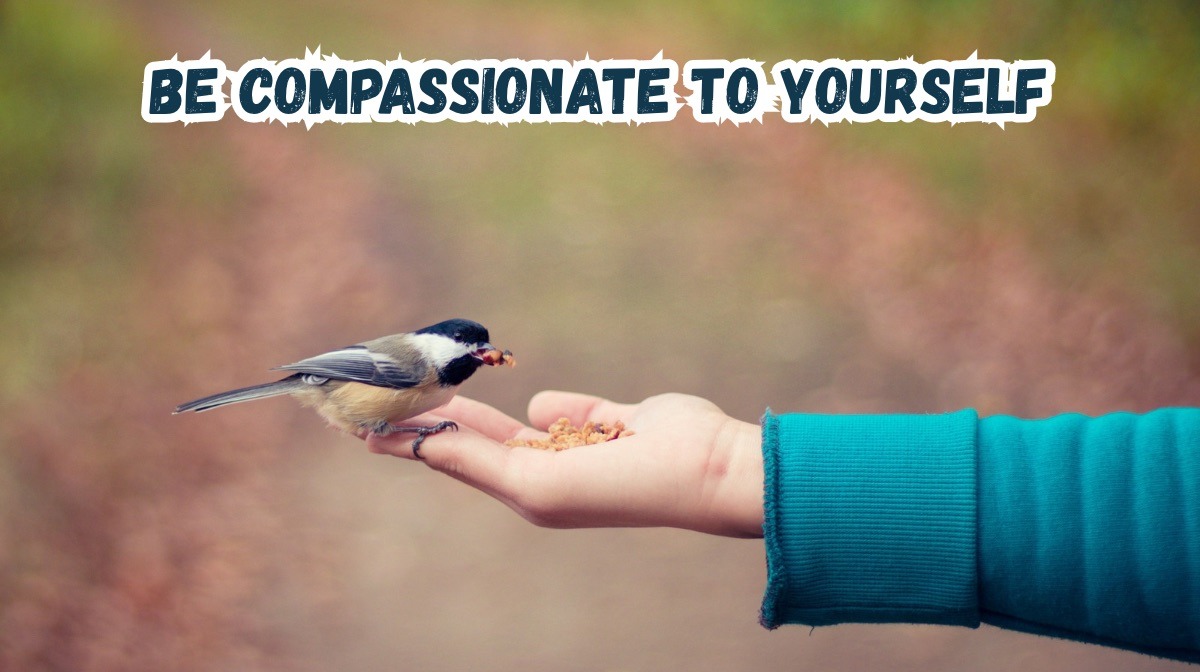
Learning to be compassionate to yourself isn’t selfish it’s essential for emotional wellbeing and personal growth. We often extend kindness to friends and strangers while treating ourselves with harsh criticism.
Reflect on a recent error you made. Did you offer yourself the same understanding you’d give a loved one? Most people don’t. Instead, they engage in negative self-talk that damages their mental health and self-esteem.
This article explores practical strategies for developing self-compassion in your daily routine. You’ll discover how small mindset shifts can transform your relationship with yourself. From practicing mindfulness to embracing self-forgiveness, these simple techniques help quiet your inner critic.
Understanding Self-Compassion and Its True Meaning
Self-compassion means treating yourself with the same warmth and understanding you would offer a close friend during difficult times. Dr. Kristin Neff, a pioneering researcher in this field, defines it through three core components: self-kindness, common humanity, and mindfulness.
When you be compassionate to yourself, you acknowledge your struggles without judgment. You recognize that imperfection is part of the shared human experience. This approach differs significantly from self-pity or making excuses for poor behavior.
The Origins of Self-Compassion Practice
be compassionate to yourself The concept of self-compassion has roots in Buddhist philosophy dating back thousands of years. Ancient teachings emphasized treating all beings with kindness, including oneself. Western psychology embraced these principles in the early 2000s when researchers began studying their mental health benefits.
Today, self-compassion practices are integrated into various therapeutic approaches including cognitive behavioral therapy and mindfulness-based stress reduction programs.
Why Being Kind to Yourself Matters
Many people mistakenly believe that self-criticism motivates improvement. Research consistently proves otherwise. Harsh inner dialogue actually undermines performance and damages emotional wellbeing.
When you be compassionate to yourself, you create psychological safety that encourages growth and learning. This supportive internal environment helps you take healthy risks and recover faster from setbacks.
Benefits for Mental and Physical Health
Practicing self-kindness offers remarkable advantages for your overall wellness.
- Reduced symptoms of anxiety and depression
- Lower levels of stress hormones like cortisol
- Improved emotional resilience during challenges
- Better sleep quality and immune function
- Increased motivation and productivity
- Stronger relationships with others
Impact on Personal Growth
be compassionate to yourself Self-compassion doesn’t make you complacent. Studies show that people who treat themselves kindly are actually more likely to pursue personal development goals. They view failures as learning opportunities rather than evidence of unworthiness.
Simple Daily Practices for Self-Compassion
Building a habit to be compassionate to yourself requires consistent small actions. These practical strategies help you develop lasting self-care routines.
Morning Rituals That Set a Positive Tone
Starting your day with intentional kindness creates momentum for compassionate thinking.
- Start your morning with three slow breaths before reaching for your device
- Speak an encouraging affirmation aloud
- Write one thing you appreciate about yourself
- Set a realistic intention rather than an overwhelming to-do list
Responding to Mistakes with Grace
How you handle errors reveals your relationship with yourself. Instead of spiraling into negative self-talk, try these approaches.
- Pause and acknowledge the emotion you’re feeling
- Ask what you would say to a friend in this situation
- Remind yourself that everyone makes mistakes
- Focus on what you can learn moving forward
- Release perfectionist expectations with self-forgiveness
Evening Reflection Practices
Ending your day with compassion helps process difficult experiences and promotes restful sleep.
- Review your day without harsh judgment
- Acknowledge three things you handled well
- Offer yourself understanding for any struggles
- Practice a brief loving-kindness meditation

Overcoming Common Challenges
Many people resist treating themselves kindly because they fear becoming lazy or self-indulgent. These concerns, while understandable, are unfounded.
Addressing the Fear of Weakness
Some individuals believe that to be compassionate to yourself shows weakness. Cultural messages often reinforce this misconception. However, research demonstrates that self-compassion actually builds inner strength and courage.
Compassionate people are better equipped to face difficulties honestly. They don’t need to hide from problems or pretend everything is fine.
Breaking Patterns of Self-Criticism
Changing lifelong habits of harsh self-judgment takes patience. Your brain has neural pathways strengthened by years of critical thinking patterns.
- Start by simply noticing when you’re being unkind to yourself
- Replace one critical thought daily with a compassionate alternative
- Practice mindfulness techniques to create space between thoughts and reactions
- Seek support from a therapist or trusted friend when needed
Balancing Self-Compassion with Accountability
Being kind to yourself doesn’t mean avoiding responsibility. True self-compassion includes honest acknowledgment of mistakes combined with genuine commitment to do better. You can hold yourself accountable while maintaining warmth and understanding toward your imperfect humanity.
Conclusion
Learning to be compassionate to yourself transforms how you navigate life’s challenges. Throughout this article, we explored the meaning of self-compassion, its proven mental health benefits, and practical daily strategies for cultivating self-kindness.
Remember that changing your inner dialogue takes time and patience. Start with small steps like morning affirmations or responding to mistakes with self-forgiveness instead of criticism.
When you be compassionate to yourself, you build emotional resilience and create space for genuine personal growth. You deserve the same kindness you freely give others. Begin your journey toward self-care today and watch your wellbeing flourish.