
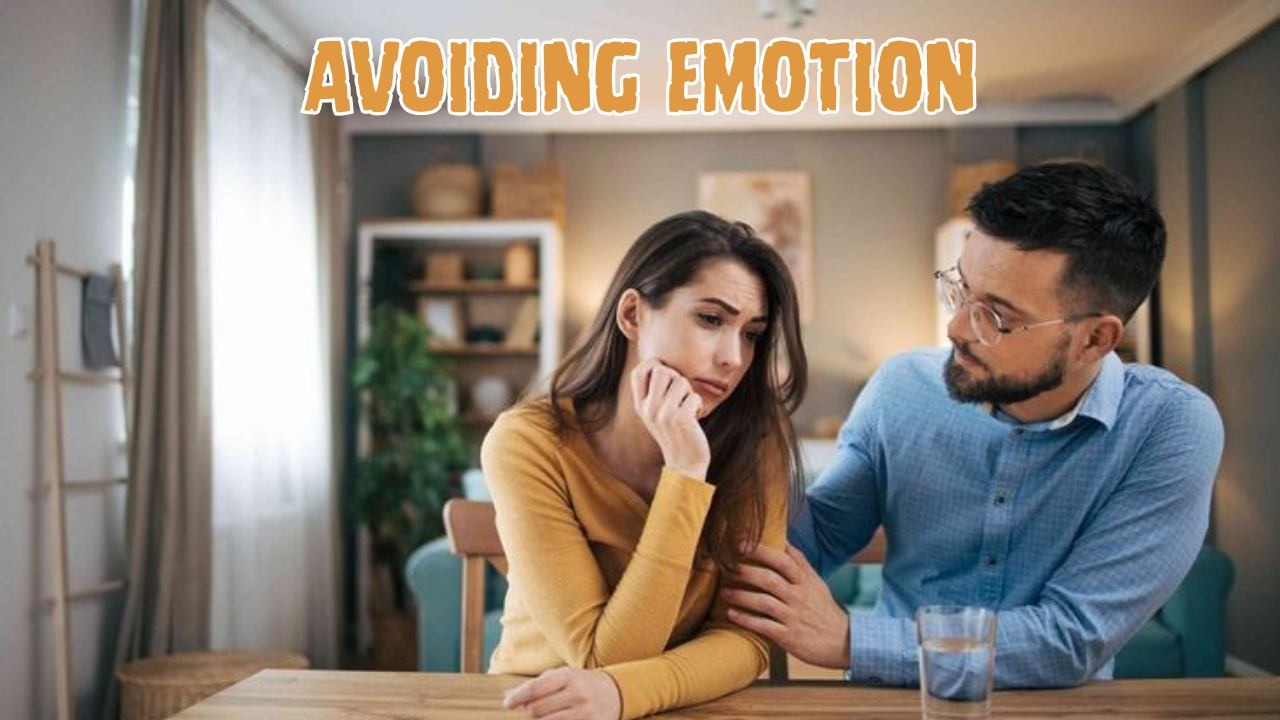
Avoiding emotion can seem like a simple way to cope with stress, but consistently suppressing feelings can have serious effects on mental health, emotional well-being, and overall life satisfaction. Many individuals ignore or push away difficult emotions, believing it will make life easier, yet this often leads to anxiety, depression, and increased stress levels.
This article explores the causes and consequences of emotional avoidance, offering insights into healthier ways to recognize and process emotions. Readers will learn how acknowledging feelings, practicing emotional awareness, and developing coping strategies can improve psychological resilience, enhance self-understanding, and promote a more balanced and fulfilling life. By understanding the risks and adopting positive approaches, anyone can foster better mental and emotional health.
Understanding Avoiding Emotion
Avoiding emotion refers to consciously or unconsciously suppressing feelings, whether positive or negative. Many people adopt this habit to escape uncomfortable experiences or maintain social composure. Historically, societies and cultures have influenced emotional expression, encouraging restraint in certain situations. While short-term avoidance may seem helpful, prolonged suppression can lead to psychological distress, hinder emotional intelligence, and reduce overall well-being. Recognizing when and why emotions are avoided is the first step toward healthier emotional awareness.
Definition and Context
Avoiding emotion often involves ignoring internal feelings or distracting oneself from emotional experiences. This can reduce self-awareness, increase stress, and negatively impact decision-making. Over time, habitual avoidance can interfere with personal growth and the ability to maintain healthy relationships.
Historical and Cultural Influence
Throughout history, emotional restraint has been valued differently across cultures. In some societies, expressing sadness or anger publicly was discouraged, encouraging emotional suppression. Modern psychology, however, emphasizes the importance of emotional acceptance for mental health, highlighting how self-awareness and emotional processing promote resilience and well-being.
Importance of Emotional Awareness
Acknowledging emotions is vital for mental and emotional health. Suppressing feelings may prevent immediate discomfort but can affect relationships, stress management, and overall psychological stability. Developing emotional literacy helps individuals respond constructively to challenges, improve self-understanding, and maintain mental clarity.
Impact on Mental Health
Avoiding emotion can contribute to increased anxiety, depression, and difficulty coping with stress. Individuals who suppress feelings may experience physical tension, disrupted sleep, and heightened emotional reactivity. Learning to face emotions supports emotional regulation, reduces stress, and fosters psychological resilience.
Benefits of Emotional Acceptance
When emotions are acknowledged and processed:
- Individuals experience improved relationship quality through better communication
- Emotional regulation strengthens, reducing reactive behaviors
- Self-confidence increases by embracing authentic feelings
- Overall life satisfaction improves as actions align with internal experiences

Challenges in Avoiding Emotion
Although avoiding emotions may feel protective, it creates long-term challenges for emotional growth.
Barriers to Emotional Expression
Common reasons for avoiding emotion include fear of vulnerability, past trauma, or social expectations to appear composed. These barriers can create internal tension and interfere with authentic self-expression, ultimately affecting well-being and interpersonal relationships.
Consequences of Suppression
Habitually avoiding emotions can lead to chronic stress, difficulty forming meaningful connections, reduced empathy, and increased risk of emotional burnout. Over time, these effects underscore the importance of gradually integrating emotional awareness and healthy coping mechanisms.
Embracing Vulnerability
Allowing oneself to be vulnerable can feel uncomfortable but is crucial for emotional growth. By acknowledging fears and insecurities, individuals develop emotional courage, strengthen self-awareness, and foster deeper connections with others. Vulnerability enables authentic communication and reduces the tendency to suppress emotions, ultimately improving mental well-being.
The Role of Support Systems
Having a strong support system helps reduce the impulse of avoiding emotion. Trusted friends, family, or mental health professionals provide safe spaces to express feelings openly. Sharing emotions not only validates experiences but also builds resilience, encourages healthy coping strategies, and enhances overall emotional stability.
Practical Strategies to Overcome Avoiding Emotion
Mindfulness and Reflection
Practicing mindfulness encourages recognition of suppressed emotions. Observing thoughts and feelings without judgment helps individuals become aware of emotional patterns. Journaling and self-compassion exercises provide safe outlets for exploring feelings, supporting emotional regulation and self-understanding.
Expressive Practices
Engaging in activities like art, music, or movement can promote emotional release. Even open conversations with trusted friends or therapists can help process emotions constructively, enhancing resilience and reducing stress.
Building Emotional Strength
Developing resilience includes recognizing emotional triggers, setting healthy boundaries, and practicing regular self-care. These habits enable individuals to confront emotions constructively, fostering mental clarity, reducing avoidance, and improving overall well-being.
Real-Life Applications
Individuals who initially struggled with avoiding emotion often benefit from therapy, mindfulness, or expressive practices. For instance, journaling daily can reveal hidden anxieties, while mindfulness exercises help acknowledge sadness or frustration, leading to better emotional regulation. These practices strengthen self-awareness, improve relationships, and promote personal development.
Conclusion:
In conclusion, avoiding emotion may seem like a protective strategy, but over time it can negatively impact mental health, well-being, and relationships. By embracing vulnerability, practicing mindfulness, and utilizing supportive networks, individuals can gradually process and express their feelings. Cultivating emotional awareness enhances resilience, reduces stress, and strengthens self-understanding. Integrating these practices into daily life allows for healthier coping mechanisms, improved emotional regulation, and a more balanced, fulfilling life. Facing emotions constructively is essential for lasting personal growth and overall mental clarity.