
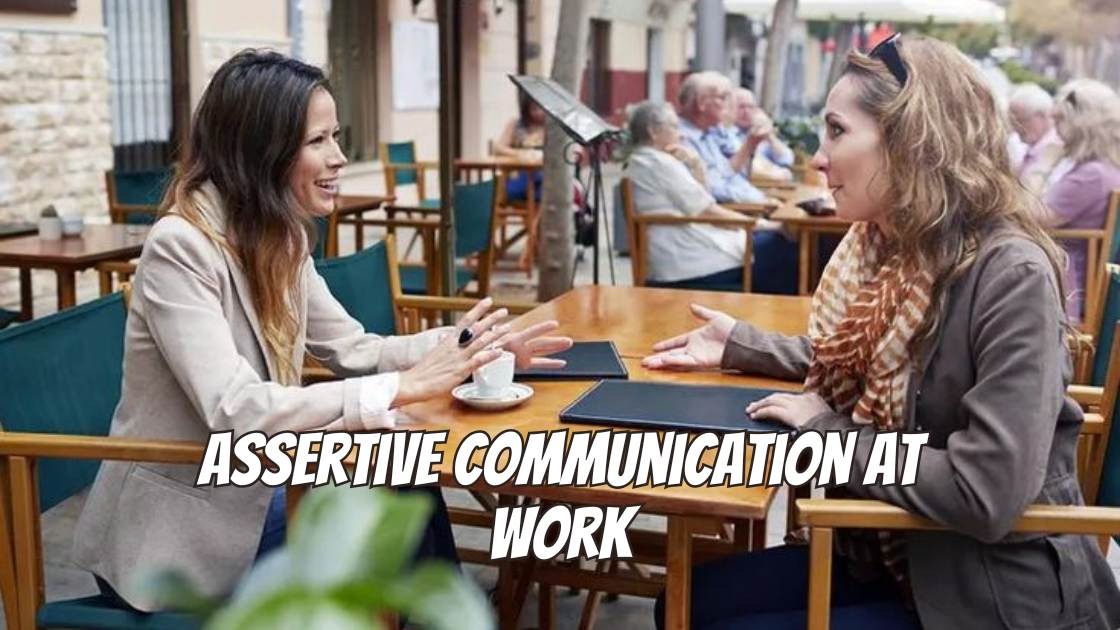
Assertive communication at work is a powerful skill that many professionals struggle to master, especially when confidence is mistaken for aggression. Have you ever held back an opinion in meetings, avoided difficult conversations, or felt misunderstood after speaking up? You’re not alone. Finding the balance between being clear and being respectful can feel challenging in fast-paced professional environments.
This article explores how assertive communication helps you express ideas honestly while maintaining professional confidence and mutual respect. You’ll learn practical ways to improve workplace communication, handle conflict resolution, and set healthy boundaries without damaging relationships. We’ll also discuss how strong communication skills and emotional intelligence can transform daily interactions at work. By the end, you’ll understand how to speak up with clarity, protect your self-respect, and build stronger, more effective professional connections.
Understanding Assertive Communication at Work
Assertive communication at work means expressing thoughts, needs, and opinions clearly while respecting others. It sits between passive silence and aggressive behavior, allowing professionals to communicate honestly without creating tension. This approach relies on clear communication, self-awareness, and mutual respect.
Historically, workplaces favored authority-driven or passive styles, where employees either complied silently or dominated conversations. Over time, organizational psychology highlighted the value of professional confidence and respectful dialogue. Modern workplaces now recognize assertiveness as essential for collaboration, leadership, and productivity.
By practicing Assertive communication at work, individuals learn to balance confidence with empathy. This balance helps employees feel heard while maintaining positive professional relationships.
Why Assertive Communication Is Essential in the Workplace
Building Respect and Trust
When people communicate assertively, they show respect for both themselves and others. This encourages open dialogue and reduces misunderstandings. Teams benefit from workplace communication that is transparent and consistent.
Assertive professionals are often viewed as reliable and confident. Their ability to express ideas calmly strengthens team collaboration and trust.
Supporting Mental and Emotional Balance
Suppressing opinions can lead to frustration and stress. Assertive expression supports emotional intelligence by allowing individuals to acknowledge feelings without emotional outbursts.
Using Assertive communication at work helps manage expectations and prevents resentment from building over time.
Key Benefits of Assertive Communication Skills
Career Growth and Visibility
Assertive employees advocate for themselves appropriately. They ask for feedback, share ideas, and clarify responsibilities using communication skills that highlight competence.
This visibility often supports career development and leadership opportunities.
Healthier Professional Relationships
Clear boundaries reduce conflict and confusion. Assertive communication supports healthy boundaries and encourages mutual understanding.
Colleagues feel safer sharing perspectives when conversations remain respectful.
Core Benefits of Assertive Workplace Communication
- Improved clarity in conversations
- Reduced workplace stress
- Stronger professional confidence
- Better decision making
- Enhanced team collaboration
Common Challenges in Practicing Assertiveness
Fear of Being Labeled Aggressive
Many professionals hesitate to speak up because they fear negative judgment. Cultural norms or past experiences can reinforce this fear.
Without Assertive communication at work, people may default to silence, which limits growth and contribution.
Difficulty Managing Emotions
High-pressure environments can trigger emotional reactions. Lacking conflict resolution skills makes it harder to stay calm during disagreements.
Developing awareness and preparation helps maintain composure during challenging conversations.
Practical Examples of Assertive Communication at Work
Speaking Up in Meetings
Assertiveness allows professionals to share ideas confidently without interrupting others. Using calm tone and clear language supports professional communication.
For example, stating your perspective while acknowledging others fosters collaboration rather than competition.
Setting Boundaries Around Workload
Clear limits protect productivity and well-being. Assertive responses help manage unrealistic demands using workplace boundaries.
Politely declining additional tasks while offering alternatives shows responsibility and respect.
Everyday Assertive Communication Examples
- Requesting clarification on unclear tasks
- Expressing disagreement respectfully
- Asking for feedback confidently
- Declining extra work when overloaded
- Addressing issues early and calmly
How to Develop Assertive Communication Skills
Practice Clear and Direct Language
Using simple, direct statements reduces confusion. Avoid vague language that weakens your message.
Assertive communication at work becomes easier with preparation and practice.
Use Active Listening and Empathy
Listening attentively strengthens interpersonal skills. Acknowledging others’ viewpoints shows respect and keeps conversations balanced.
Techniques That Strengthen Assertiveness
Body Language and Tone Awareness
Maintaining eye contact and steady tone reinforces confidence. Nonverbal cues strongly influence how messages are received.
Consistent practice improves presence and authority.
Long-Term Impact of Assertive Communication in Professional Life
Stronger Leadership Presence
Leaders who communicate assertively inspire trust. They provide direction without intimidation, supporting leadership skills.
Teams respond positively to clarity and consistency.
Sustainable Workplace Relationships
Over time, Assertive communication at work builds a culture of respect. Clear expectations reduce misunderstandings and unnecessary conflict.
This approach supports long-term success, emotional balance, and professional satisfaction.

Creating a Culture of Assertive Communication
Organizations thrive when assertiveness is encouraged. Training and support help normalize respectful expression.
By consistently practicing Assertive communication at work, professionals contribute to healthier environments where ideas flow freely and collaboration grows naturally.
Conclusion
Mastering Assertive communication at work empowers professionals to express ideas clearly while maintaining professional confidence and respect. This article highlighted its definition, importance, benefits, challenges, and real-world examples that support healthier workplace communication. By developing strong communication skills, practicing emotional intelligence, and setting healthy boundaries, individuals can reduce conflict and build trust. When used consistently, Assertive communication at work strengthens collaboration, supports career growth, and creates a more balanced and respectful professional environment for everyone involved.