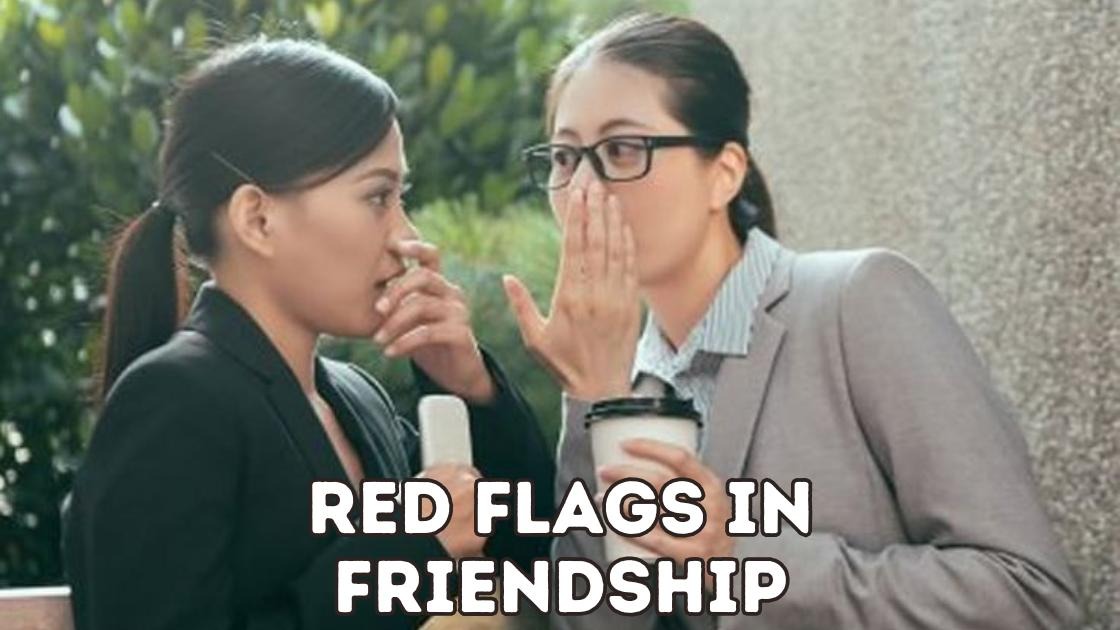
Red flags in friendship often appear quietly, slowly weakening trust before you even realize something is wrong. Many people ignore early warning signs because emotional bonds make unhealthy behavior seem normal. However, recognizing these patterns early is essential for protecting your emotional well-being and maintaining healthy relationships.
This article will help you identify behaviors that harm trust, explain why they matter, and guide you on how to respond with emotional intelligence rather than guilt or fear. You will learn how poor communication, boundary violations, and toxic behavior impact friendships over time. By understanding these signs and responding wisely, you can strengthen self-respect, preserve mental health, and build connections rooted in honesty and mutual care rather than control or imbalance.
Understanding Red Flags in Friendship
Red flags in friendship refer to warning signs that indicate unhealthy patterns, damaged trust, or emotional imbalance. These signs often appear subtly and are easy to dismiss in close relationships. Over time, ignoring them can harm emotional well-being and weaken healthy relationships. Recognizing these signs early helps protect your self-respect and prevents long-term emotional strain.
Definition and Meaning
At their core, red flags in friendship highlight behaviors that signal toxic behavior, lack of respect, or emotional inconsistency. These behaviors may include manipulation, constant criticism, or disregard for personal boundaries.
Emotional Awareness
Being emotionally aware allows you to notice discomfort before it escalates. Listening to your instincts supports better mental health and stronger decision-making.
Background and Evolution of Friendship Dynamics
Friendships have evolved alongside social norms and communication styles. In the past, friendships were often based on proximity and shared responsibilities. Today, emotional connection plays a larger role, making issues like trust issues and manipulation more impactful.
Changing Social Expectations
Modern friendships demand honesty, empathy, and balance. When these elements are missing, red flags in friendship become more noticeable and damaging.
Role of Emotional Dependence
Overdependence can blur boundaries, making it harder to recognize unhealthy patterns and maintain accountability.
Why Recognizing Warning Signs Matters
Understanding red flags in friendship is essential for maintaining emotional balance and long-term happiness. Ignoring warning signs often leads to stress, resentment, and emotional exhaustion.
Importance for Emotional Health
Being proactive protects your mental health and encourages healthy relationships built on trust and mutual respect.
Key Benefits of Awareness
- Improves communication skills and clarity
- Strengthens boundaries and personal values
- Enhances emotional well-being and confidence
- Encourages mutual respect and honesty
- Reduces exposure to toxic behavior
Common Red Flags That Damage Trust
Behavioral Warning Signs
Trust begins to erode when actions and words do not align. Red flags in friendship often involve repeated behaviors that make you feel undervalued or dismissed.
Lack of Accountability
Friends who avoid responsibility often shift blame, weakening trust and emotional safety.
Emotional Red Flags
Emotional imbalance is a strong indicator of unhealthy dynamics.
Manipulative Tendencies
Subtle manipulation can involve guilt, pressure, or emotional withdrawal to gain control.
Challenges of Addressing Unhealthy Friendships
Confronting red flags in friendship can feel uncomfortable, especially when emotional bonds are strong. Many people fear conflict or losing the connection altogether.
Internal Struggles
You may experience self-doubt or question your feelings, especially when your concerns are minimized.
External Pressures
Social expectations often encourage tolerance over honesty, making it harder to prioritize self-respect.
Fear of Conflict
Avoiding confrontation delays resolution and affects long-term emotional well-being.
Real-Life Examples of Friendship Red Flags
Examples help clarify how these patterns appear in everyday life.
- A friend dismisses your feelings during serious conversations
- A friend expects support but offers none in return
- A friend spreads private information without consent
- A friend undermines your success instead of celebrating it
These situations highlight red flags in friendship that should never be ignored.

How to Respond Wisely to Warning Signs
Strengthening Boundaries
Setting clear boundaries communicates self-worth and protects emotional energy.
Healthy Communication
Using respectful dialogue improves communication skills and reduces misunderstandings.
Practicing Conflict Resolution
Effective conflict resolution focuses on understanding rather than blame.
Long-Term Benefits of Addressing Red Flags
Taking action against red flags in friendship leads to stronger emotional resilience and healthier social circles.
Personal Growth
Recognizing unhealthy patterns encourages growth, confidence, and improved empathy.
Building Better Connections
Addressing issues early supports balanced friendships rooted in trust and accountability.
Maintaining Healthy Friendships Moving Forward
Learning from past experiences helps prevent future emotional harm. Prioritizing honesty, respect, and emotional safety ensures fulfilling connections.
Recognizing red flags in friendship empowers you to choose relationships that support your values, protect your peace, and strengthen your emotional foundation.
Trusting Your Instincts in Friendships
Often, the earliest indicator of red flags in friendship is an uncomfortable feeling that something is off. Ignoring intuition can lead to prolonged emotional stress and weakened self-respect. Trusting your instincts allows you to pause, reflect, and evaluate behaviors objectively. When actions consistently clash with words, it may signal deeper trust issues or hidden toxic behavior. Paying attention to emotional discomfort encourages better emotional awareness and supports healthier decision-making. Learning to trust your inner voice helps you protect your mental health and choose friendships that feel safe, balanced, and genuinely supportive.