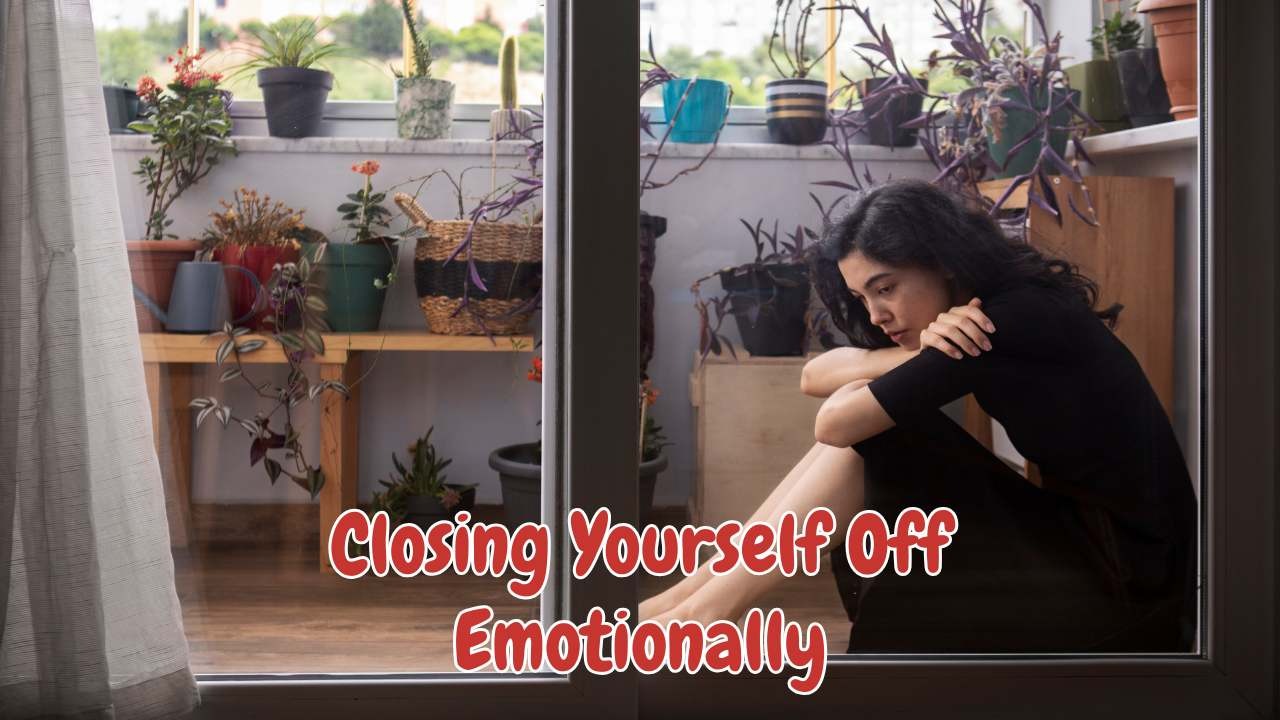
Closing yourself off emotionally can feel like building invisible walls around your heart, leaving you isolated and misunderstood. Many people retreat emotionally due to past trauma, fear of vulnerability, or repeated relationship disappointments, which can affect both personal and professional connections. In this article, we will explore the common reasons behind emotional withdrawal, the impact it has on mental health, and practical strategies to navigate and overcome these challenges. You will also learn how to identify signs of emotional detachment, manage relationship anxiety, and develop healthier ways to express feelings. By understanding the root causes and implementing coping techniques, you can slowly reconnect with others while maintaining your own emotional well-being.
Understanding Closing Yourself Off Emotionally
Closing yourself off emotionally is a defense mechanism where a person distances themselves from feelings, thoughts, or intimate interactions. This emotional withdrawal often develops as a response to past trauma, relationship hurt, or persistent stress. People who retreat emotionally may appear distant, unresponsive, or disconnected, which can affect both personal and professional relationships. Understanding the underlying reasons is essential to addressing this behavior without self-blame. Recognizing the patterns allows individuals to take proactive steps toward emotional healing and connection.
Definition and Emotional Impact
Emotionally closing oneself off refers to the intentional or subconscious restriction of emotional expression. This behavior can lead to loneliness, anxiety, and relationship difficulties. While it serves as a protective mechanism, prolonged emotional withdrawal may hinder personal growth and affect mental health. It is important to acknowledge and validate your feelings rather than suppress them. Awareness and self-reflection are critical first steps in navigating this complex emotional pattern.
Background and Psychological Context
Historically, psychologists have studied emotional withdrawal as part of attachment theory and relationship dynamics. Individuals with avoidant attachment styles are often more prone to closing themselves off emotionally. Fear of vulnerability, unresolved past trauma, or repeated disappointment can reinforce this pattern. Understanding these psychological frameworks helps explain why people develop such defensive mechanisms and how they can begin to overcome them.
Importance of Addressing Emotional Withdrawal
Addressing closing yourself off emotionally is essential for personal well-being and relationship health. Ignoring emotional withdrawal can escalate relationship anxiety, communication breakdowns, and long-term mental health issues. Consciously working on emotional openness helps improve emotional intelligence, self-awareness, and stress management.
Why Coping Matters
- Strengthens personal resilience and mental clarity
- Enhances ability to navigate relationship challenges
- Reduces emotional stress and negative thought patterns
- Builds healthier connections with others
- Encourages personal growth and self-reflection
By taking deliberate steps to cope, individuals can prevent long-term damage to their relationships and mental well-being.
Common Challenges of Emotional Withdrawal
Dealing with emotional distance presents several challenges. Recognizing these difficulties can help in developing effective coping strategies.
Emotional Isolation
One of the primary effects of closing yourself off emotionally is a sense of isolation. Individuals may feel misunderstood or disconnected from loved ones. Over time, this can lead to feelings of loneliness and low self-esteem.
Communication Breakdowns
Emotional withdrawal often causes communication challenges, as individuals struggle to express their needs and feelings. Misunderstandings and assumptions can create conflict and distance in relationships.
Impact on Mental Health
Prolonged emotional withdrawal can contribute to anxiety, depression, and heightened stress levels. A lack of emotional expression prevents healthy coping and can exacerbate mental health issues.
Practical Strategies to Reconnect Emotionally
Learning to overcome emotional withdrawal is vital for personal growth and healthy relationships.
1. Practice Self-Awareness
Reflect on why you tend to close yourself off emotionally. Identifying triggers such as past trauma, fear of rejection, or relationship stress can help in addressing the root cause.
2. Engage in Self-Care
Prioritize activities that support your mental well-being and emotional balance. Mindfulness, journaling, or physical exercise can reduce stress and foster emotional clarity.
3. Set Healthy Boundaries
Establishing boundaries ensures your emotional space is respected while allowing gradual reconnection. Healthy boundaries prevent relationship anxiety and emotional burnout.
4. Seek Support
Lean on trusted friends, family, or a relationship counselor. External support provides perspective, guidance, and encouragement in overcoming emotional withdrawal.
5. Communicate Openly
When ready, express your feelings using “I” statements to avoid blame. Sharing emotions gradually builds trust and strengthens connections.
Benefits of Overcoming Emotional Withdrawal
Addressing closing yourself off emotionally has significant advantages for both mental health and relationships:
- Improved emotional intelligence and empathy
- Reduced stress and anxiety levels
- Healthier, more meaningful relationships
- Increased self-awareness and personal growth
- Greater resilience in handling relationship challenges
By working through emotional withdrawal, individuals can transform a protective mechanism into an opportunity for connection and growth.

Real-Life Examples
Consider someone who avoids emotional intimacy due to past heartbreak. Initially, they experience loneliness and strained relationships. By practicing self-care, seeking therapy, and gradually expressing feelings, they rebuild trust and strengthen connections.
Another example involves a professional who suppresses emotions to avoid workplace conflict. Over time, they implement strategies to communicate effectively while maintaining boundaries. This approach reduces stress, fosters personal resilience, and improves workplace relationships.
These examples demonstrate that emotional withdrawal can be addressed with intention, awareness, and practical steps.
Conclusion
Closing yourself off emotionally can feel protective, but prolonged withdrawal impacts mental health and relationships. By understanding the root causes, practicing self-care, setting healthy boundaries, and seeking guidance from a relationship counselor, individuals can reduce stress, relationship anxiety, and emotional detachment. Gradually expressing feelings and reconnecting with loved ones fosters personal resilience and deeper connections. Addressing emotional withdrawal thoughtfully not only improves emotional intelligence but also promotes healthier, more fulfilling relationships while supporting overall well-being.