
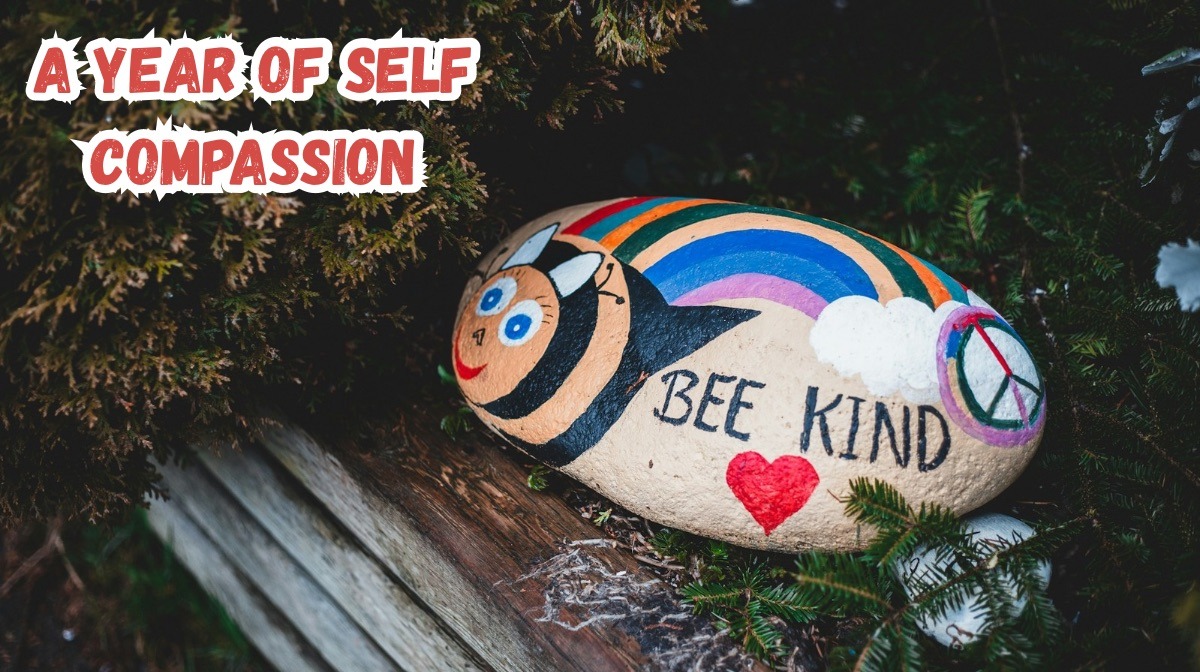
Have you ever noticed how harshly you speak to yourself during difficult moments? A year of self compassion offers a transformative journey toward treating yourself with the same kindness you’d offer a dear friend. This practice isn’t about self-indulgence or ignoring your flaws it’s about developing emotional resilience and inner strength through understanding rather than criticism.
Throughout this comprehensive guide, you’ll discover practical strategies for cultivating self-kindness, building mental wellness, and developing lasting emotional healing habits. We’ll explore monthly themes that progressively deepen your practice, from foundational concepts to advanced techniques for maintaining personal growth during life’s inevitable challenges.
Whether you’re beginning your journey or seeking to strengthen existing practices, this roadmap provides actionable steps for creating meaningful, lasting change in how you relate to yourself.
Understanding self compassion and Its Core Components
A year of self compassion begins with understanding what this practice truly means. Psychologist Kristin Neff, a pioneering researcher in this field, defines self compassion as treating yourself with kindness during moments of failure, inadequacy, or suffering. Rather than ignoring your pain or drowning in self-criticism, you acknowledge difficulties while offering yourself emotional support.
The Three Pillars of Compassionate Living
Self-kindness forms the foundation of compassionate practice. This involves speaking to yourself gently when things go wrong instead of engaging in harsh self-judgment. The second pillar, common humanity, reminds us that suffering and imperfection are shared human experiences. Finally, mindfulness allows us to observe our emotions without becoming overwhelmed or suppressing them entirely.
Why These Elements Work Together
These three components create a balanced approach to emotional wellbeing. When one element is missing, the practice becomes incomplete. For example, kindness without mindfulness might lead to over-identification with problems, while mindfulness without kindness can feel cold and disconnected.
The Science Behind Compassionate Self-Care
A year of self compassion Research consistently demonstrates that practicing self compassion produces remarkable benefits for both mental healthand physical wellbeing. Studies published in peer-reviewed journals show that individuals who practice compassionate self-talk experience lower levels of anxiety, depression, and stress.
Neurological Changes from Regular Practice
Your brain physically changes when you engage in a year of self compassion practices. Neuroimaging studies reveal that compassionate meditation activates brain regions associated with positive emotions, empathy, and emotional regulation. Over time, these neural pathways strengthen, making compassionate responses more automatic.
- Reduced activity in the amygdala, decreasing fear responses
- Increased prefrontal cortex engagement for better decision making
- Enhanced connectivity between emotional and rational brain centers
- Greater production of oxytocin, the bonding hormone
- Lower cortisol levels, reducing chronic stress effects
Building Your Monthly Practice Framework
Embarking on a year of self compassion works best with structured monthly themes that progressively deepen your understanding and skills. Each month focuses on specific aspects of personal development while building upon previous learning.
Establishing Foundations
A year of self compassion The first quarter focuses on developing self-awareness and basic compassionate practices. You’ll learn to recognize your inner critic, understand your emotional patterns, and begin replacing harsh self-talk with gentler alternatives.
- Month one introduces mindful awareness of your thought patterns
- Month two focuses on developing a compassionate inner voice
- Month three explores emotional healing from past wounds
- Month four strengthens daily self-care ritual
Deepening the Practice
During this phase, a year of self compassion journey moves into more challenging territory. You’ll address limiting beliefs, work through difficult emotions, and develop resilience building strategies for handling setbacks.
Integration and Maintenance
The final quarter emphasizes sustaining your practice long term. You’ll create personalized wellness routines, develop strategies for difficult periods, and learn to extend compassion outward to others while maintaining inner peace.

Common Challenges and How to Overcome Them
Many people encounter resistance when beginning self compassion practices. Recognizing these challenges enables you to overcome them effectively.
The Fear of Self-Indulgence
Some worry that treating themselves kindly will lead to laziness or lack of motivation. Research actually shows the opposite. People who practice self-kindness are more likely to take responsibility for mistakes and work toward improvement because they’re not paralyzed by shame.
Difficulty Breaking Old Patterns
Years of negative self-talk create deeply ingrained habits. Changing these patterns requires patience and consistent practice. Expect setbacks and treat them as opportunities to practice compassion rather than evidence of failure.
- Start with small, manageable moments of self-kindness
- Try comforting touches such as resting your hand gently over your chest.
- Write compassionate letters to yourself during difficult times
- Practice self-forgiveness for past mistakes
- Celebrate progress without demanding perfection
Real World Applications and Examples
A year of self compassion transforms how you handle everyday challenges. When you make a mistake at work, instead of spiraling into self-doubt, you acknowledge the error, learn from it, and move forward constructively. During relationship conflicts, emotional intelligence developed through practice helps you respond thoughtfully rather than react defensively.
Conclusion
A year of self compassion represents more than just a temporary commitment. It’s a profound shift in how you relate to yourself during life’s inevitable ups and downs. By cultivating self-kindness, embracing common humanity, and practicing mindfulness, you build the foundation for lasting emotional resilience and mental wellness. Remember that progress isn’t linear, and setbacks offer valuable opportunities for growth. As you continue this transformative journey, you’ll discover that treating yourself with genuine compassion creates ripple effects throughout every area of your life, enhancing relationships, personal growth, and overall inner peace.