
Have you ever noticed how easily you comfort a struggling friend, yet speak harshly to yourself when you make a mistake? Headspace Self Compassion offers a transformative approach to changing this pattern through guided meditation and proven mindfulness techniques. This practice teaches you to become your own best friend rather than your harshest critic.
In this article, you’ll discover how loving-kindness meditation can help you develop unconditional friendliness toward yourself. We’ll explore practical exercises that build emotional resilience, reduce negative self-talk, and create lasting changes in how you relate to your inner world. Whether you’re dealing with everyday stress or working through difficult emotions, these mindful awareness practices provide the tools you need to cultivate genuine self-acceptance and mental well-being.
Understanding the Core of Mindful Self Compassion
Headspace Self Compassion represents a structured approach to developing kindness toward yourself through guided meditation exercises. At its heart, this practice involves treating yourself with the same warmth and understanding you would naturally offer to someone you care about deeply.
The concept draws from ancient Buddhist traditions that emphasized loving-kindness practices as essential for human flourishing. Dr. Kristin Neff, a pioneering researcher at the University of Texas at Austin, helped bring these teachings into modern psychology. Her work identified three essential components that form the foundation of Self Compassion.
The Three Pillars of Self Compassion
- Mindful awareness of your emotions without suppressing or exaggerating them
- Self-kindness instead of harsh criticism when facing personal failures
- Common humanity means understanding that pain and flaws are universal experiences we all share.
These pillars work together to create a balanced approach to emotional healing and personal growth.
How Headspace Approaches Compassion Training
The Headspace meditation app offers a dedicated 10-session course specifically designed to cultivate Self Compassion. Former Buddhist monk Andy Puddicombe co-created these programs to make mindfulness techniques accessible to everyone, regardless of their meditation experience.
The Loving-Kindness Technique
This practice forms the cornerstone of Headspace Self Compassion training. During these sessions, you learn to direct positive intentions toward yourself through repeated phrases.
The process typically involves:
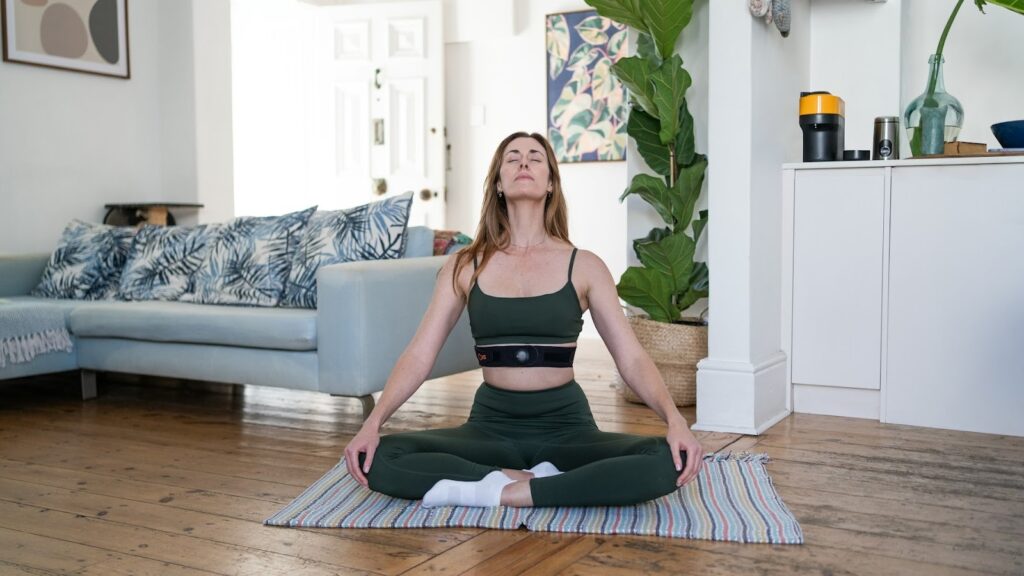
- Settling into a relaxed sitting posture and breathing deeply several times.
- Placing your hands gently over your heart to create physical warmth
- Saying positive statements to yourself like “I embrace myself exactly as I am.”
- Breathing in compassion for yourself and exhaling kindness to others
- Gradually extending these feelings outward to family, friends, and strangers
Building Your Inner Dialogue
Positive self-talk development requires consistent practice.Headspace Self Compassion The app teaches you to notice your inner critic and transform harsh judgments into supportive encouragement. Think of it like coaching a child learning to walk. You wouldn’t yell at them for falling, but you also wouldn’t let them give up entirely.
The Science Behind Self Compassion Benefits
Headspace Self Compassion Research conducted on the Headspace platform reveals impressive outcomes for regular practitioners. Studies from Northeastern University found that just three weeks of 10-minute daily meditations increased compassionate behavior by 23 percent.
Mental Health Improvements
Practicing Headspace Self Compassion consistently delivers measurable benefits for your psychological wellbeing.
Key findings include:
- Stress reduction of 27 percent in irritability levels after regular practice
- Decreased symptoms of anxiety and depression through mindful awareness
- Improved emotional regulation when facing challenging situations
- Enhanced ability to cope with setbacks without spiraling into negativity
- Reduced aggression levels by 57 percent according to controlled studies
Physical and Relational Benefits
Headspace Self Compassion The ripple effects extend beyond your mental state. When you develop stronger self-acceptance, your relationships with others naturally improve. You become less reactive, more patient, and better equipped to understand what others might be experiencing.
Overcoming Common Challenges in Practice
Beginning a Self Compassion meditation journey isn’t always smooth. Many practitioners encounter what experts call “backdraft,” where opening your heart to kindness temporarily releases stored emotional pain.
Why Self Compassion Feels Difficult
Headspace Self Compassion can Several barriers prevent people from embracing self-love practices:
- Confusing Self Compassion with self-indulgence or weakness
- Believing that self-criticism drives better performance
- Feeling unworthy of kindness based on past mistakes
- Worrying that gentleness will lead to complacency
- Cultural conditioning that prioritizes others over self-care
Practical Solutions for Beginners
Begin with only five minutes each day instead of trying longer practice sessions. Use the Headspace app features that offer shorter exercises for building daily meditation habits. Remember that being a slow learner at Self Compassion is itself an opportunity to practice patience with yourself.
If overwhelming emotions arise, ground yourself by focusing on physical sensations like your feet touching the floor. This breathing exercise approach helps regulate your nervous system while maintaining connection to the present moment.
Creating Lasting Transformation
Headspace Self Compassion ultimately teaches that kindness is not earned through perfection. Every human makes mistakes, experiences failure, and faces difficulties. By meeting these moments with warmth rather than harshness, you build mental resilience that supports genuine wellbeing and authentic connections with others.
Conclusion
Learning Headspace Self Compassion transforms how you navigate life’s inevitable challenges. By embracing mindful awareness, practicing loving-kindness meditation, and recognizing our shared humanity, you build a foundation for lasting emotional wellbeing.
Learning to accept yourself takes time and regular, ongoing effort. Remember that treating yourself with kindness isn’t selfish but essential for genuine happiness. When you develop a gentler inner dialogue, you naturally become more compassionate toward others too.