
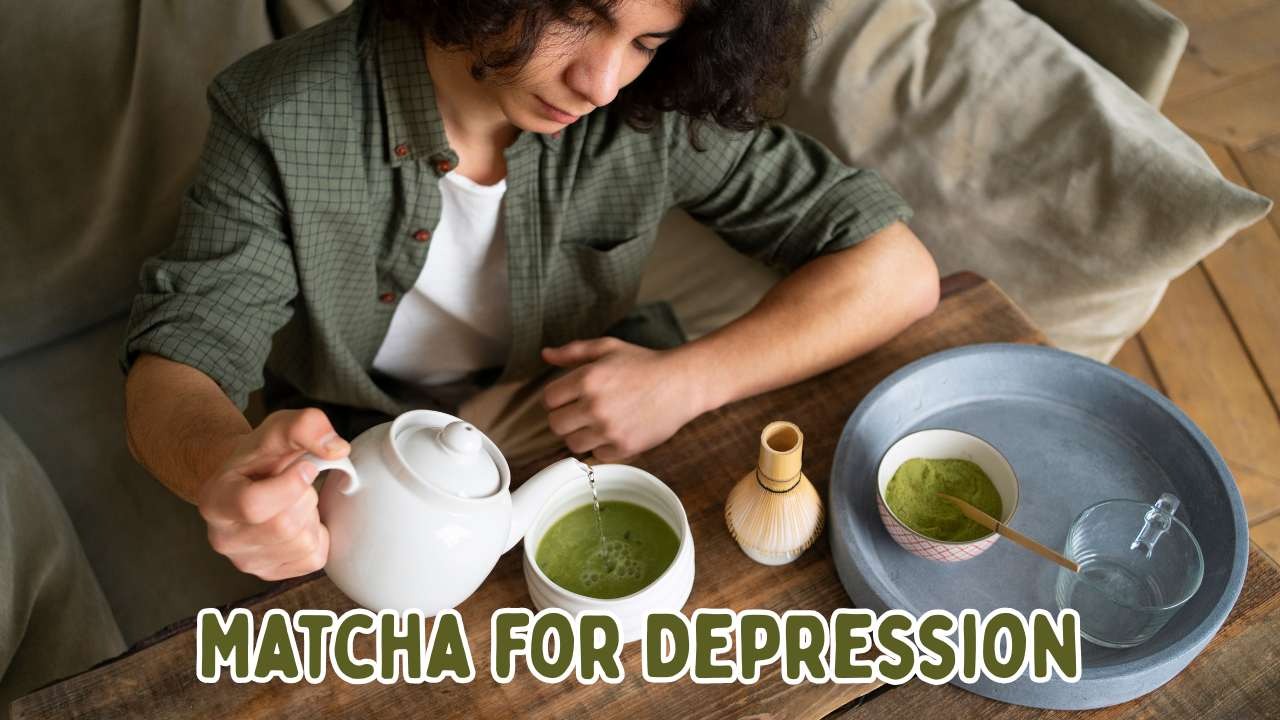
Matcha for depression has gained attention as a natural way to support mental well-being. This vibrant green tea, rich in antioxidants and amino acids, may help boost mood, reduce anxiety, and improve overall emotional health. In this article, we explore how matcha works on the brain, its role in promoting stress relief, and what scientific studies reveal about its effectiveness.
You’ll also learn practical tips on incorporating matcha into your daily routine to enhance mental clarity, energy levels, and emotional balance. Whether you’re curious about natural remedies or looking for ways to complement traditional treatments, this guide offers a clear understanding of matcha’s mental health benefits backed by research.

Understanding Matcha for Depression
Matcha for depression is emerging as a natural approach to support mental health and overall emotional well-being. Derived from finely ground green tea leaves, matcha has been consumed for centuries, especially in Japan, for its calming effects and energy-boosting properties. Unlike traditional tea, matcha provides a concentrated dose of antioxidants, amino acids, and L-theanine, which are essential for maintaining mental clarity, focus, and stress relief. Modern research suggests that the unique compounds in matcha may positively influence mood and cognitive function, making it a potential complement to conventional treatments for anxiety and depressive symptoms.
History and Origins of Matcha
Matcha has a rich cultural and historical background. Originally used by Zen Buddhist monks during meditation sessions, it was valued for its ability to promote alertness while maintaining a calm mind. This traditional use aligns closely with modern interests in mental wellness, emotional balance, and mindfulness practices. Over time, the popularity of matcha spread across the world, with people appreciating not only its unique flavor but also its potential role in enhancing energy levels, concentration, and overall emotional health. The growing research into matcha for depression builds upon this centuries-old knowledge, providing scientific validation for its calming and mood-supporting properties.
How Matcha Impacts Mental Health
Role of Antioxidants and Amino Acids
The high concentration of antioxidants in matcha helps combat oxidative stress, which is often linked to mental fatigue and mood swings. Additionally, L-theanine, an amino acid abundant in matcha, promotes relaxation without causing drowsiness. This combination supports mental clarity, reduces stress, and may improve the brain’s production of dopamine and serotonin, neurotransmitters crucial for emotional stability. Regular consumption of matcha can lead to noticeable improvements in focus, productivity, and overall well-being, making it a valuable addition to daily routines for those managing depression or anxiety.
Energy and Cognitive Benefits
Matcha for depression not only supports emotional health but also enhances energy levels and alertness. Unlike coffee, which can cause jitters and crashes, matcha provides a steady release of caffeine paired with L-theanine, resulting in smooth, sustained energy. This unique balance helps improve concentration, memory retention, and mental clarity, making it an ideal beverage for people seeking stress relief while maintaining daily productivity. Incorporating matcha into your morning routine or afternoon break can offer a gentle mood lift and reinforce healthy mental habits.
Benefits of Matcha for Depression
Mood Enhancement and Stress Reduction
One of the most notable advantages of matcha for depression is its ability to support emotional balance. The combination of L-theanine, antioxidants, and moderate caffeine can create a calming effect on the nervous system while improving mood. Studies suggest that these compounds help reduce anxiety, enhance focus, and regulate stress hormones, contributing to overall mental well-being.
Improved Sleep and Relaxation
Although matcha contains caffeine, the presence of L-theanine helps induce relaxation and can promote better sleep quality when consumed earlier in the day. Improved rest directly impacts emotional health, stress resilience, and cognitive function. People experiencing depression-related fatigue or brain fog may find that matcha supports more balanced energy levels throughout the day.
Physical Health Benefits Supporting Mental Wellness
The consumption of matcha is also linked to improved physical health, which in turn supports mental well-being. Its high antioxidant content can reduce inflammation, enhance immune function, and improve metabolism. When the body feels better, the mind often follows, making matcha a holistic choice for promoting overall emotional health and stress management.
Challenges and Considerations
While matcha for depression offers numerous benefits, it’s important to recognize potential challenges. Excessive consumption can lead to caffeine sensitivity, digestive discomfort, or sleep disturbances. Choosing high-quality, organic matcha can mitigate some risks and ensure the beverage is free from contaminants or artificial additives. Moderation, combined with healthy lifestyle practices, ensures that the mental health benefits of matcha are maximized without adverse effects.
How to Incorporate Matcha Into Daily Life
Simple Ways to Enjoy Matcha
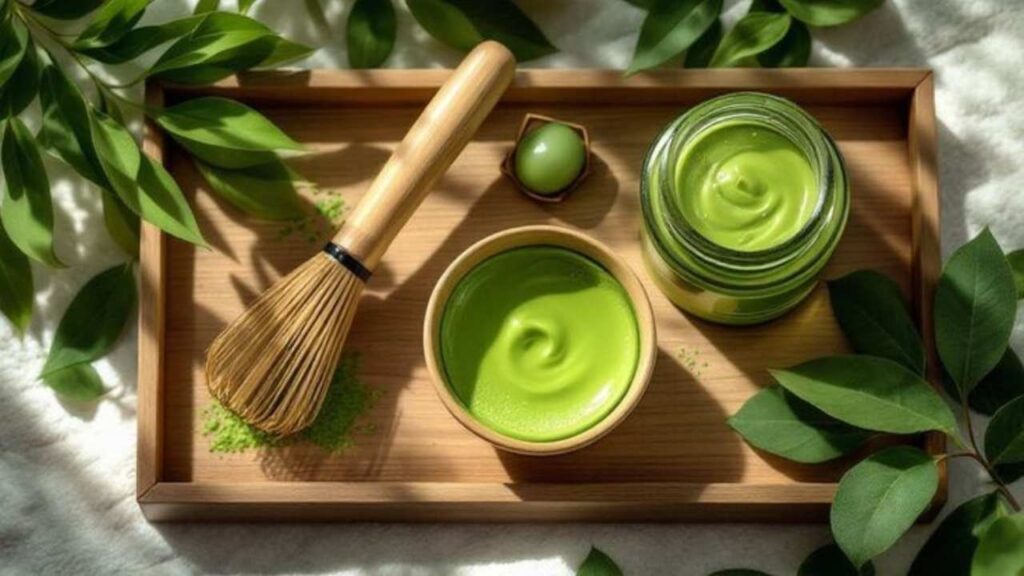
- Mix matcha powder with hot water for a traditional tea experience
- Blend it into smoothies or protein drinks to enhance nutrient content.
- Incorporate into baked goods or oatmeal for a subtle flavor and antioxidant benefits
Tips for Maximizing Benefits
- Choose ceremonial-grade matcha for the highest concentration of beneficial compounds
- Combine with a balanced diet rich in omega-3 fatty acids, vitamins, and minerals for optimal mental wellness
- Maintain mindfulness or meditation routines while drinking matcha to enhance emotional balance
These strategies not only enhance the flavor but also maximize the mood-boosting and stress-relieving effects of matcha.
Scientific Evidence Supporting Matcha for Depression
Recent studies suggest that matcha may positively influence brain chemistry, particularly in areas related to mood regulation, stress response, and cognitive function. Research highlights the synergy between L-theanine and caffeine in promoting calm alertness, which can be beneficial for people dealing with mild depression or anxiety. Although matcha is not a replacement for professional medical treatment, it can serve as a complementary approach for enhancing mental clarity, energy levels, and emotional well-being.
Conclusion:
In conclusion, Matcha for depression offers a natural way to support emotional health and enhance mental clarity. Its rich antioxidants, amino acids, and L-theanine contribute to stress relief, improved mood, and overall emotional well-being. By incorporating matcha into daily routines, individuals can experience steady energy levels, better focus, and a gentle boost in mental wellness. While not a replacement for professional care, it provides a complementary approach to managing anxiety, promoting relaxation, and maintaining balanced emotional health naturally.