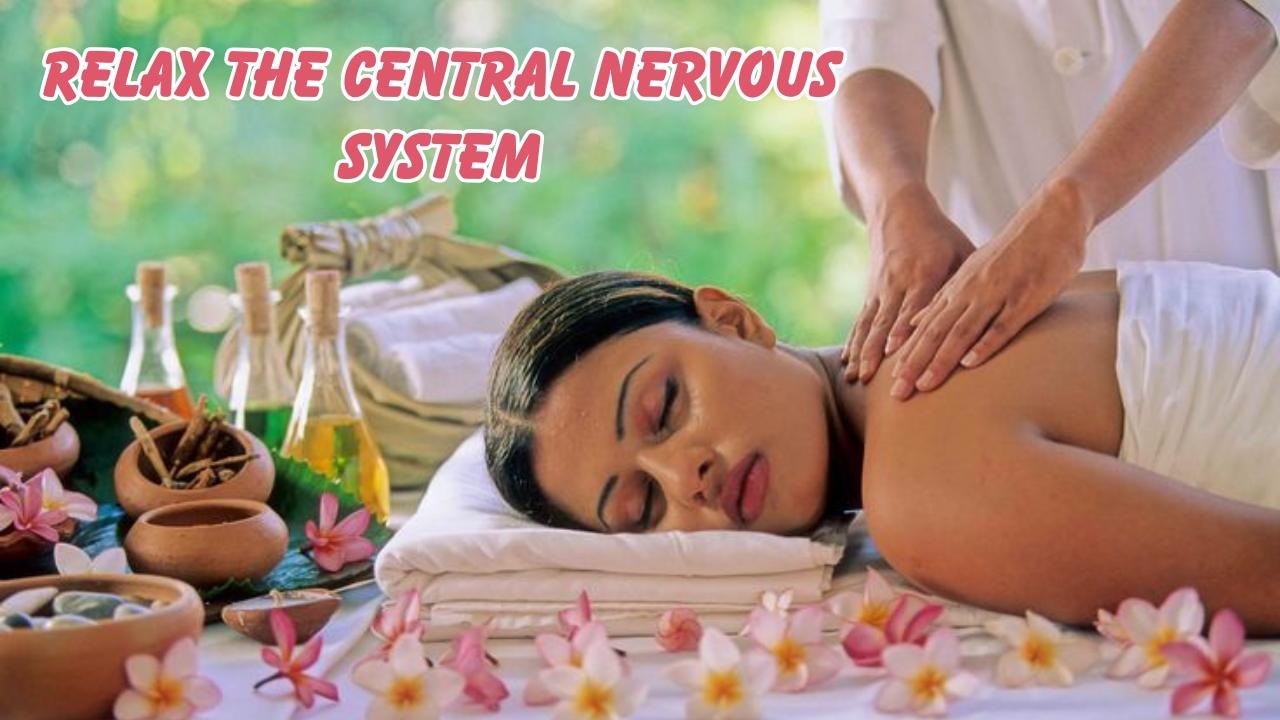
Relax the central nervous system is essential for reducing stress, improving sleep, and achieving overall mental calm. In today’s fast-paced world, tension and anxiety often overwhelm our bodies, making it crucial to find effective ways to unwind. This article will explore simple and practical methods to relieve stress, promote deep relaxation, and balance your nervous system naturally.
You will learn techniques that encourage better sleep, enhanced focus, and a sense of inner peace. Whether it’s through mindful practices, gentle breathing exercises, or lifestyle adjustments, these approaches are designed to help anyone calm the mind and restore energy. By the end, you’ll have actionable steps to integrate into your daily routine for a healthier, more relaxed nervous system.
Introduction to relax the Central Nervous System
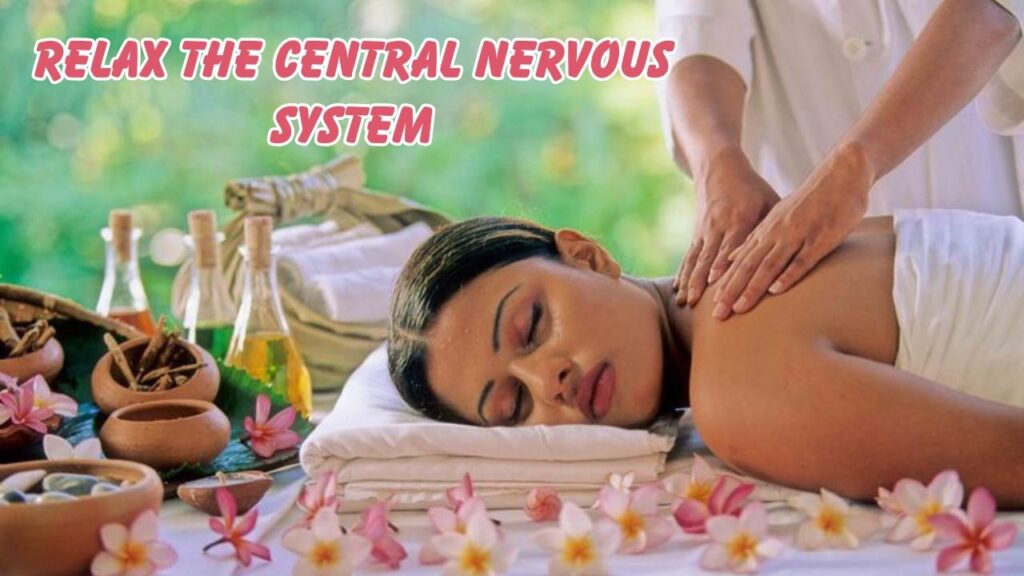
The central nervous system controls everything from movement to emotions, making it essential for overall well-being. Learning to relax the central nervous system is crucial in today’s high-stress lifestyle. Overstimulation can cause stress, anxiety, fatigue, and sleep disturbances. Understanding the nervous system and applying practical relaxation techniques can help improve both physical and mental health, offering mental clarity, emotional stability, and inner peace.
Definition and Function of relax the Central Nervous System
The central nervous system consists of the brain and spinal cord, functioning as the body’s control center. It processes sensory input, coordinates movements, and regulates emotions and energy levels. A calm nervous system allows for better focus, enhanced sleep quality, and overall well-being. By maintaining balance, individuals can reduce stress levels and improve daily functioning.
Key Roles of the Nervous System
The nervous system:
- Controls voluntary and involuntary actions
- Manages hormone and energy regulation
- Influences mental clarity and decision-making
- Supports emotional stability
Historical Perspective on Nervous System Relaxation
Humans have long practiced techniques to calm the nervous system. Eastern meditation traditions emphasized mind-body harmony for stress relief, while yoga incorporated breathwork to restore energy. Modern therapy, including mindfulness and cognitive approaches, focuses on reducing nervous system strain and improving emotional resilience. Over time, these techniques have proven effective in promoting deep relaxation and mental clarity.
Importance of Relaxing the Central Nervous System
Relaxing the nervous system is essential for physical, mental, and emotional health. Chronic stress can lead to high blood pressure, insomnia, anxiety, and fatigue. Regular relaxation techniques improve sleep quality, enhance energy levels, and support emotional stability.
Physical Health Benefits
1.Lower blood pressure naturally
2.Boost energy levels and stamina
3.Support restorative sleep cycles
Mental and Emotional Benefits
- Reduced anxiety and stress levels
- Enhanced mental clarity and focus
- Improved emotional stability and resilience
Practical Techniques to Relax the Nervous System
Breathing Exercises
Deep Diaphragmatic Breathing
Practicing deep diaphragmatic breathing helps reduce stress hormones and lowers heart rate. Sit comfortably, inhale deeply for four counts, hold for two, and exhale for six counts. This technique encourages mental calm and physical relaxation.
Alternate Nostril Breathing
Alternate nostril breathing balances energy and reduces tension. Close one nostril, inhale through the other, then exhale. Repeating 5–10 times daily can improve focus, sleep quality, and overall calmness.
Mindfulness and Meditation
Guided Meditation
Listening to guided meditation helps focus on the present moment and reduce mental clutter. Regular practice promotes emotional stability and relieves anxiety.
Progressive Muscle Relaxation
This technique involves tensing muscles for a few seconds and then releasing them slowly. It reduces physical tension and encourages a state of deep calm, which directly supports nervous system health.
Mindful Visualization
Imagining peaceful scenarios like forests or beaches helps trigger the relaxation response, lowers stress, and promotes mental clarity.
Lifestyle Adjustments
Regular Physical Activity
Engaging in yoga, walking, or stretching releases relaxation hormones, reduces stress, and supports better sleep. Even short daily sessions can significantly improve nervous system balance.
Balanced Nutrition
A diet rich in magnesium, omega-3 fatty acids, and antioxidants promotes nervous system health. Avoiding excess caffeine and sugar prevents overstimulation and emotional imbalance.
Sleep Hygiene
Maintaining a consistent sleep schedule, reducing screen exposure before bed, and creating a peaceful environment improves sleep quality and restores nervous system balance.
Common Challenges in relax the central Nervous System Relaxation
Even with knowledge and techniques, some obstacles may prevent relaxation. High-stress environments, poor sleep, and excessive technology use can overstimulate the nervous system. Difficulty focusing during meditation is another common issue. Recognizing these challenges helps develop realistic strategies for long-term emotional stability and mental clarity.
Real-Life Examples and Success Stories
Many individuals have successfully learned to relax the central nervous system. Office workers practicing daily breathing exercises report reduced stress and improved focus. Students using guided meditation improve memory retention and mental clarity. People practicing progressive muscle relaxation experience better sleep, lower anxiety, and enhanced emotional stability. These examples demonstrate that consistent effort can bring tangible benefits.
Conclusion:
In today’s fast-paced world, learning to relax the central nervous system is essential for maintaining mental clarity, emotional stability, and overall well-being. By practicing techniques like breathing exercises, mindfulness, and progressive muscle relaxation, individuals can reduce stress, improve sleep quality, and restore energy. Incorporating lifestyle adjustments such as regular physical activity, balanced nutrition, and proper sleep hygiene further supports a calmer and healthier nervous system. Prioritizing these practices ensures long-term inner peace, better focus, and a more balanced, energized life.