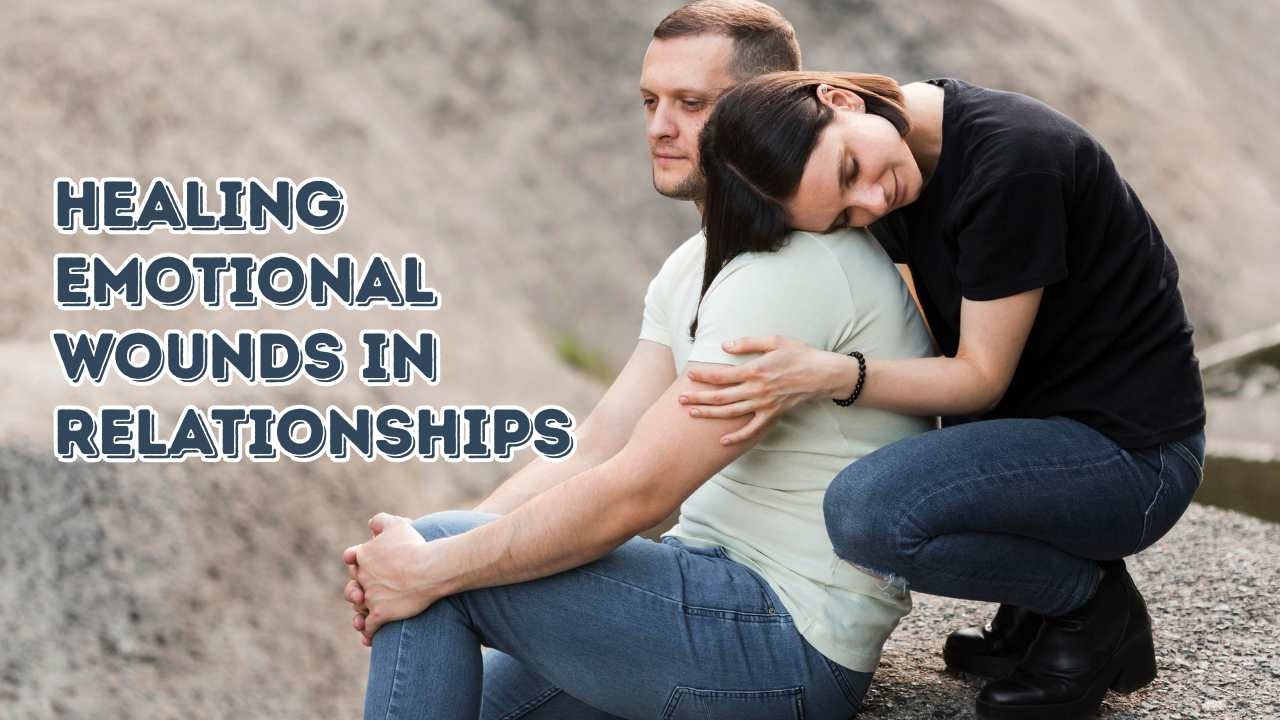
Healing emotional wounds in relationships often begins silently, shaped by experiences we thought we had left behind. Unresolved pain from earlier connections can influence how we give love, respond to conflict, and protect ourselves emotionally. These hidden scars may show up as fear of closeness, constant doubt, or emotional withdrawal, even in otherwise healthy bonds.
This article explores how past relationship trauma, emotional trust issues, and attachment wounds shape present-day connections. You’ll learn how lingering hurt impacts emotional safety, communication patterns, and vulnerability between partners. We’ll also uncover the emotional signs that signal a need for relationship healing and inner awareness. By understanding these patterns, readers can begin creating healthier, more secure relationships built on clarity, compassion, and emotional balance rather than fear.
Understanding Healing Emotional Wounds in Relationships
Healing emotional wounds in relationships refers to the process of recognizing, addressing, and resolving unresolved emotional pain that affects how partners connect. These wounds often stem from past relationship trauma, childhood emotional neglect, or repeated experiences of betrayal. When left unaddressed, they silently shape behaviors, emotional reactions, and expectations in intimate bonds. Understanding this concept is essential because emotional pain does not disappear on its own; it resurfaces through fear, defensiveness, or emotional distance. This section builds clarity around why emotional healing is not a weakness but a necessary step toward healthy emotional bonds and long-term relationship stability.
Emotional Roots and Background
Emotional wounds develop when feelings of safety, acceptance, or love are disrupted. Over time, unresolved hurt becomes part of one’s emotional memory, influencing attachment styles, emotional triggers, and decision-making in love.
Historical and Psychological Context
Psychology highlights that early emotional experiences form internal relationship templates. These templates affect trust building, emotional regulation, and vulnerability in adulthood, making healing a gradual yet transformative journey.
Why Healing Emotional Wounds in Relationships Truly Matters
Healing emotional wounds in relationships plays a critical role in restoring emotional balance and mutual understanding. Without healing, partners may repeat cycles of conflict, miscommunication, or emotional withdrawal. Emotional healing strengthens emotional safety, encourages openness, and allows partners to respond rather than react.
Key reasons it matters include:
1.Improved emotional communication
2.Stronger relationship trust
3.Reduced fear of intimacy
4.Healthier conflict resolution
5.Deeper emotional intimacy
When emotional wounds are addressed, relationships shift from survival mode to growth-oriented partnerships.
Key Signs Emotional Wounds Are Affecting Your Relationship
Unhealed emotional pain often reveals itself subtly. Healing emotional wounds in relationships starts with awareness of these patterns rather than blame.
Common Emotional Indicators
Partners may experience emotional insecurity, heightened sensitivity, or constant reassurance-seeking. These behaviors often mask deeper fears rooted in past pain.
Behavioral Patterns to Notice
Recurring arguments, emotional shutdowns, or difficulty trusting positive intentions are common signs linked to unresolved emotional pain and relationship anxiety.
How Healing Emotional Wounds in Relationships Works
Healing emotional wounds in relationships is not a single action but a layered process that unfolds over time. It combines emotional awareness, intentional communication, and consistent effort.
The Emotional Healing Process
The process involves acknowledging pain, understanding its origin, and consciously choosing healthier responses. This allows individuals to release emotional baggage and create space for growth.
Core Healing Steps
1.Emotional awareness and acceptance
2.Open and honest vulnerable communication
3.Developing self compassion
4.Rebuilding emotional trust
5.Creating shared emotional boundaries
These steps help transform emotional pain into emotional insight.
Benefits of Healing Emotional Wounds in Relationships
When emotional healing occurs, relationships experience meaningful positive shifts. Healing emotional wounds in relationships supports emotional resilience and long-term connection.
Emotional and Relational Benefits
Partners gain stronger emotional resilience, improved empathy, and the ability to navigate challenges without emotional shutdown. Healing also promotes secure attachment, reducing fear-based reactions.
Long-Term Relationship Advantages
Emotionally healed relationships foster mutual respect, emotional consistency, and sustainable love rooted in understanding rather than fear.
Challenges and Emotional Barriers to Healing
Despite its benefits, healing emotional wounds in relationships can feel uncomfortable. Emotional healing often requires confronting pain that has been avoided for years.
Internal Emotional Resistance
Fear of vulnerability, emotional shame, and emotional avoidance can slow progress. These defenses once served a purpose but now block growth.
External Relationship Challenges
Lack of patience, inconsistent communication, or absence of emotional validation may create setbacks during the healing journey.

Practical Tips to Support Emotional Healing
Healing emotional wounds in relationships becomes more sustainable when supported by intentional habits and emotional awareness.
Helpful recommendations include:
•Practice mindful listening to strengthen emotional presence
•Address emotional triggers without accusation
•Prioritize emotional honesty over perfection
•Encourage relationship self awareness
•Seek guidance for emotional healing practices when needed
These practices help couples move from emotional pain toward emotional partnership.
Applying Emotional Healing in Real Relationships
In real-life relationships, healing emotional wounds shows up through calmer conversations, reduced defensiveness, and increased emotional clarity. Partners begin responding with curiosity instead of fear, creating a foundation of emotional security and mutual respect. Over time, emotional healing transforms not just the relationship but the individuals within it, allowing love to grow in healthier and more authentic ways.
Conclusion:
Healing emotional wounds in relationships is a powerful journey that restores connection, trust, and emotional balance. Throughout this article, we explored how past pain shapes present behavior, why awareness matters, and how intentional efforts support emotional safety, relationship trust, and healthy communication. Addressing unresolved emotional pain helps partners move beyond fear-based reactions toward emotional intimacy and mutual understanding. By practicing self awareness, vulnerable communication, and consistent emotional care, individuals can create stronger, more resilient bonds. Ultimately, emotional healing allows relationships to grow with clarity, compassion, and lasting emotional security.