
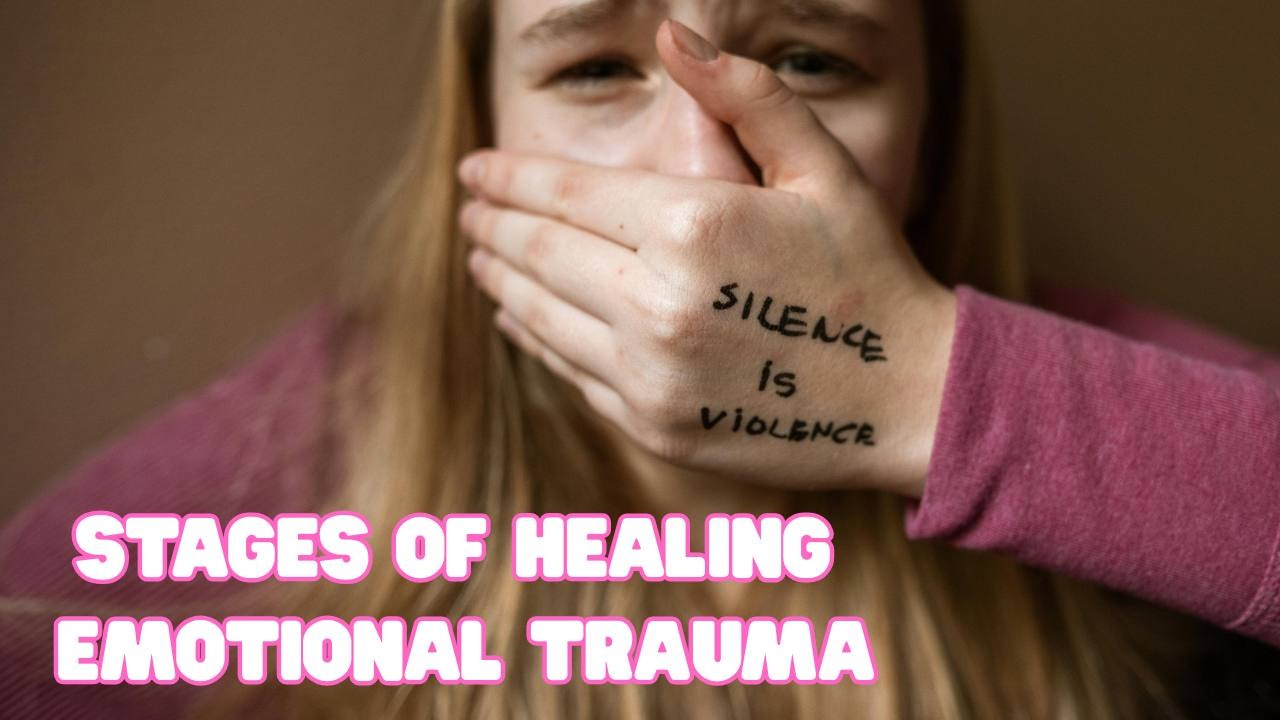
Healing from deep emotional wounds can feel overwhelming, but understanding the stages of healing emotional trauma is the first step toward genuine recovery. Everyone experiences emotional pain differently, and navigating this journey requires patience, self-awareness, and guidance.
This article explores the crucial steps of emotional recovery, including recognizing trauma symptoms, processing difficult emotions, and rebuilding a sense of self-worth. We will also discuss strategies for mental health improvement, fostering resilience, and cultivating emotional well-being. By learning about these stages, readers can gain clarity on their personal healing journey and discover practical ways to move forward. Whether you’re supporting yourself or someone you care about, understanding these stages offers hope, empowerment, and a roadmap for lasting inner peace.
Understanding Stages Of Healing Emotional Trauma
Emotional trauma is a psychological response to deeply distressing experiences that overwhelm an individual’s ability to cope. Events such as abuse, loss, accidents, or sudden life changes can trigger trauma. Recognizing emotional trauma is essential because it significantly impacts mental health, emotional well-being, and personal relationships. Unprocessed trauma may lead to long-term consequences, including anxiety, depression, or difficulty managing stress. Understanding the roots of trauma and how it affects the mind and body is the foundation for effective recovery and growth.
Related Article: Stages of Healing Emotional Trauma:Understanding the Path to Recovery
Stage One: Acknowledgment and Awareness
Recognizing Emotional Pain
The first stage of healing requires acknowledging the trauma and becoming aware of its impact. Many individuals instinctively suppress painful memories, but recognizing the problem is the first step toward recovery. Awareness allows individuals to identify emotional triggers, recurring negative thoughts, and behaviors influenced by trauma.
Accepting Reality
Acceptance is understanding what happened without judgment or resistance. It does not mean condoning the experience but acknowledging its presence in your life. This stage often involves mindfulness practices, journaling, or consulting a therapist to articulate feelings and confront reality constructively.
Related Article: A Complete Guide to the Stages of Healing Emotional Trauma: From Pain to Recovery
Stage Two: Processing Emotions
Understanding Feelings
Processing emotions is essential for moving forward. This involves exploring grief, anger, guilt, or fear, which, if ignored, can manifest as emotional instability or physical stress.
Safe Emotional Expression
Safe expression can include art therapy, meditation, or structured counseling sessions. Therapies like cognitive behavioral therapy (CBT) or eye movement desensitization and reprocessing (EMDR) help individuals process trauma without being overwhelmed, supporting long-term emotional balance.
Stage Three: Seeking Support
Building a Support System
Support from trusted family members, friends, or support groups is crucial during the healing journey. A reliable support network provides empathy, encouragement, and accountability, ensuring individuals do not face trauma alone.
Professional Assistance
Mental health professionals offer tailored strategies, coping techniques, and guidance through setbacks. Trauma-informed care and psychological counseling equip individuals with tools to manage triggers, strengthen resilience, and track progress effectively.
Stage Four: Rebuilding Self-Identity
Rediscovering Self-Worth
Trauma often disrupts a person’s sense of self. Rebuilding self-identity involves reconnecting with core values, personal strengths, and passions. Self-reflection, setting small achievable goals, and celebrating accomplishments promote confidence and self-esteem.
Cultivating Resilience
Resilience allows individuals to face future challenges without being overwhelmed. Practicing positive affirmations, maintaining routines, and learning stress management techniques enhance the ability to recover from setbacks and reinforce emotional stability.
Stage Five: Integration and Growth
Learning from Experiences
Healing is not only about overcoming pain but also about integrating lessons learned. Individuals often develop deeper empathy, stronger coping skills, and increased emotional intelligence.
Sustaining Progress
Ongoing self-care and continued support are essential for maintaining recovery. Stages of healing emotional trauma includes setting healthy boundaries, practicing emotional regulation, and incorporating activities such as meditation, journaling, or regular exercise into daily routines.

Benefits of Understanding the Stages
Following the stages of healing emotional trauma offers multiple benefits:
•Enhanced mental health and reduced symptoms of anxiety or depression
•Greater emotional well-being and self-awareness
•Stronger, healthier relationships through improved empathy and communication
•Increased resilience and coping skills to face future challenges
Common Challenges in Healing
Healing is a non-linear process, and setbacks are normal. Common challenges include emotional resistance, difficulty expressing feelings, and persistent self-doubt. Overcoming these challenges often involves:
•Engaging consistently in therapy or counseling
•Practicing self-compassion and patience
•Joining peer or group support networks to share experiences
Real-Life Examples
Real-life experiences highlight the importance of understanding trauma recovery stages. Survivors of abuse often regain confidence and stability through therapy and community support. Veterans with PTSD frequently benefit from structured programs emphasizing emotional processing and coping strategies. These examples demonstrate how following the stages of healing emotional trauma can lead to meaningful transformation, personal empowerment, and long-term emotional balance.
Conclusion
Understanding the stages of healing emotional trauma provides a structured path to recovery, offering clarity, guidance, and hope. From acknowledging pain and processing emotions to seeking support and rebuilding self-identity, each stage contributes to long-term emotional well-being and improved mental health. Embracing these stages of healing emotional trauma helps individuals cultivate resilience, regain confidence, and foster healthier relationships. By applying practical strategies and seeking appropriate guidance, anyone navigating trauma can experience meaningful transformation, personal growth, and lasting inner peace. Recognizing and following these stages empowers healing and renewal.