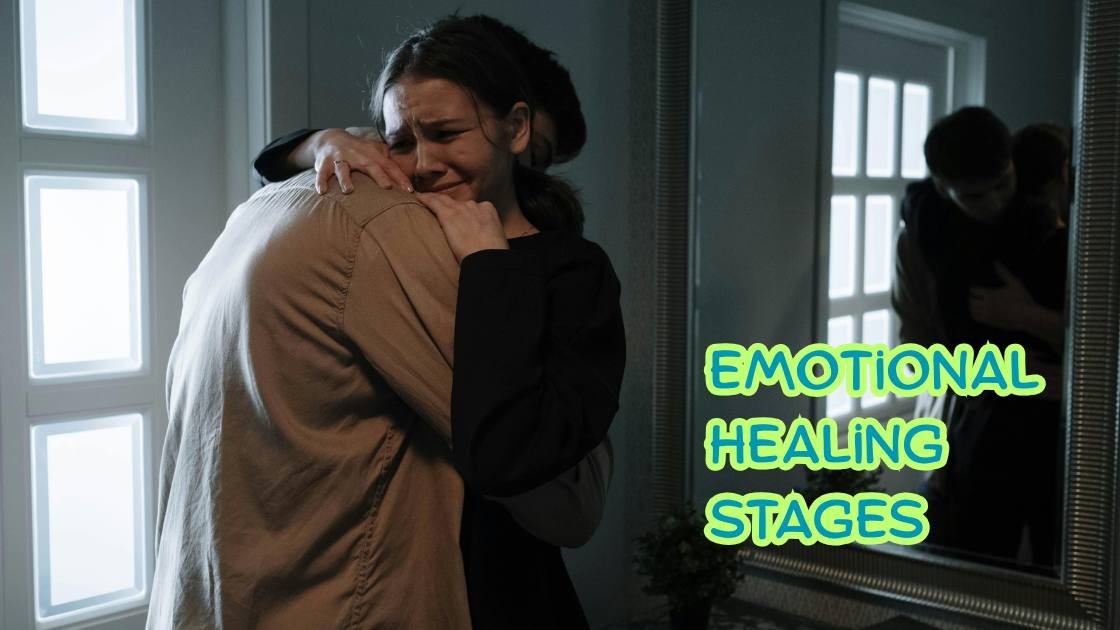
Healing from emotional pain is not instant it unfolds gradually through emotional healing stages, helping individuals process loss, trauma, and personal struggles. These stages guide the mind and heart toward balance, teaching patience and self-compassion along the way.
In this article, you’ll explore how emotional recovery develops over time, why setbacks are normal, and how awareness can speed up progress. We’ll break down each phase clearly, highlighting the role of self-awareness, emotional resilience, mental well-being, inner growth, and self-acceptance. By understanding this journey, you can respond to your feelings with clarity instead of confusion. Whether you’re beginning to heal or already moving forward, this guide will help you recognize where you are and what comes next.
Understanding Emotional Healing as a Gradual Process
Healing emotional wounds is not a single moment of relief but a layered journey. The concept of emotional healing stages explains how people move from pain toward stability through awareness and intentional effort. These stages are shaped by human psychology and influenced by personal experiences, culture, and support systems. Rather than forcing quick recovery, this process respects the natural rhythm of emotions. Understanding this framework helps individuals normalize their feelings and avoid self-judgment while healing unfolds.
Definition and Meaning of Emotional Healing
At its core, emotional healing refers to restoring balance after distressing experiences such as loss, betrayal, or prolonged stress. The idea behind emotional healing stages is that recovery happens step by step, allowing the mind and body to adapt gradually. This process strengthens emotional awareness, builds mental clarity, and encourages healthier emotional responses. Healing does not erase memories; instead, it changes how those memories affect daily life.
Background and Psychological Roots
Early Views on Emotional Recovery
Historically, emotional pain was often ignored or minimized. Earlier psychological models focused more on behavior than feelings. Over time, researchers recognized that unresolved emotions could impact physical health, relationships, and decision-making. This shift led to deeper exploration of emotional intelligence and self-reflection as essential tools for recovery.
Modern Understanding and Therapy Models
Modern therapy approaches highlight structured recovery paths similar to emotional healing stages. Models from trauma psychology and grief counseling emphasize validation, expression, and adaptation. These frameworks show how inner healing and self-compassion work together to restore emotional balance. Today, emotional recovery is viewed as a skill that can be learned and strengthened.
Why Emotional Healing Matters in Everyday Life
Impact on Mental and Physical Well-Being
Unhealed emotional pain often manifests as anxiety, burnout, or physical tension. Following emotional healing stages helps individuals regulate stress and improve mental well-being. When emotions are processed properly, sleep improves, focus increases, and overall health becomes more stable. Healing supports not only emotional peace but also long-term wellness.
Influence on Relationships and Personal Growth
Emotional wounds can distort communication and trust. Healing gradually improves empathy, boundaries, and connection with others. Through emotional maturity and personal growth, individuals learn to respond instead of react. This transformation strengthens relationships and builds confidence in handling future challenges.
Key Benefits of Following Emotional Healing Stages
The structured nature of emotional healing stages offers clarity during confusing emotional periods. Some key benefits include:
•Improved self-awareness and understanding of emotional triggers
•Greater emotional resilience during stressful situations
•Healthier coping mechanisms and decision-making skills
•Increased sense of inner peace and emotional balance
By recognizing progress instead of perfection, individuals feel encouraged rather than overwhelmed.

Common Challenges During the Healing Journey
Emotional Resistance and Fear
One major challenge is resisting painful emotions. Many people fear that confronting feelings will intensify suffering. However, avoiding emotions often delays healing. The journey through emotional healing stages requires courage, patience, and honesty with oneself.
Lack of Support or Understanding
Healing can feel isolating without validation. Family or friends may expect quick recovery, creating pressure. This is where self-validation and professional guidance become essential. Understanding that healing timelines differ helps reduce frustration and self-doubt.
Real-Life Examples of Emotional Healing in Action
Healing After Loss or Trauma
After a significant loss, individuals often experience shock, sadness, and gradual acceptance. Moving through emotional healing stages allows space for grief while rebuilding daily routines. Over time, memories become less painful and more reflective, supporting emotional recovery.
Growth After Relationship Challenges
Breakups or betrayals often damage trust and self-worth. Through reflection and emotional processing, people regain confidence and clarity. This journey fosters self-acceptance and prepares individuals for healthier future relationships.
Practical Ways to Support Emotional Healing
While everyone’s path is unique, certain practices support progress through emotional healing stages:
1.Mindful journaling to encourage emotional expression
2.Therapy or counseling for guided psychological healing
3.Meditation and breathing exercises to calm emotional responses
4.Building routines that support mental strength and balance
Consistency in these practices helps emotions settle naturally over time.
Embracing the Journey with Patience and Awareness
Healing is not linear, and setbacks are part of growth. By understanding emotional healing stages, individuals learn to treat themselves with kindness instead of criticism. This awareness transforms pain into insight and struggle into strength. Emotional healing becomes not just recovery, but a foundation for deeper understanding, healthier connections, and lasting emotional stability.
Conclusion
Understanding emotional healing stages helps individuals recognize that recovery is a gradual, meaningful journey rather than a quick fix. By exploring its definition, background, benefits, challenges, and real-life examples, this article highlights how emotional recovery builds self-awareness, strengthens emotional resilience, and supports long-term mental well-being. Embracing these stages encourages patience, self-compassion, and inner growth, even during setbacks. When people respect their healing process, they gain clarity and balance. Ultimately, emotional healing becomes a powerful foundation for healthier relationships, stronger coping skills, and lasting inner peace.