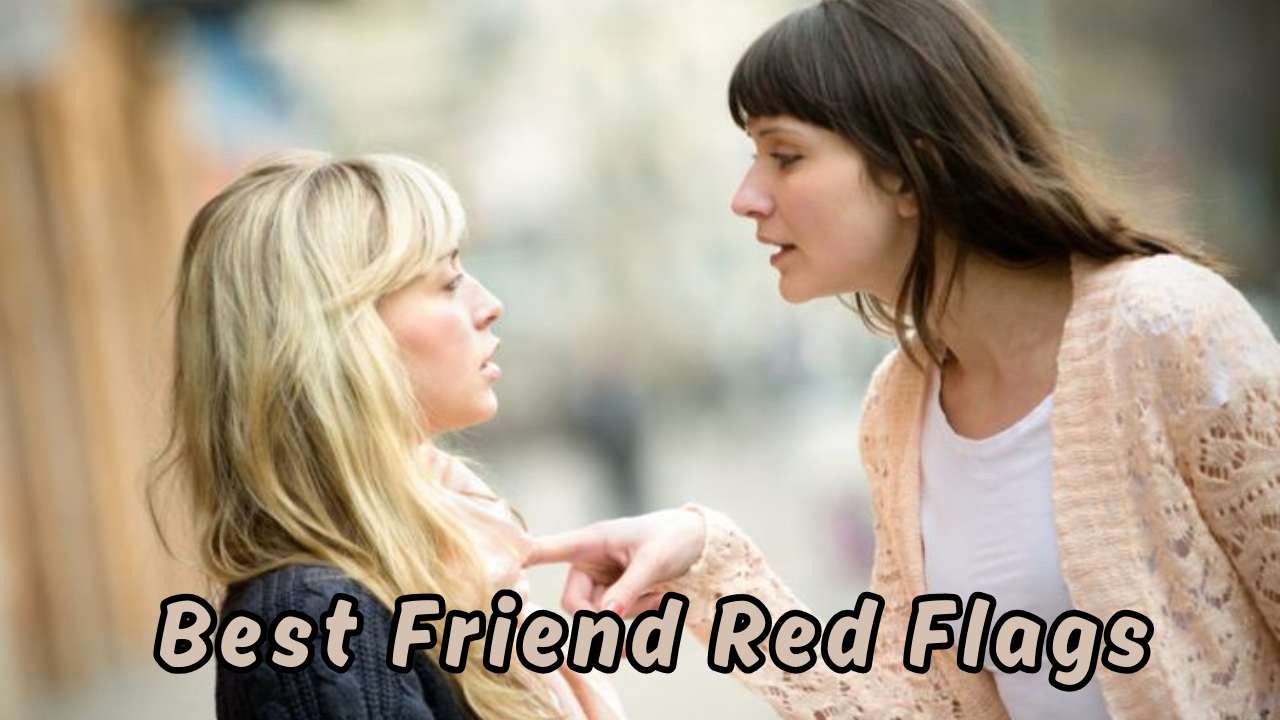
Best Friend Red Flags can quietly damage even the strongest friendships, leaving emotional scars and mistrust. Friendships are meant to bring joy, support, and companionship, but sometimes hidden warning signs signal toxic behavior, manipulation, or emotional neglect.
In this article, we will explore how to identify unhealthy friendships, understand the effects of jealousy, one-sided relationships, and constant criticism, and provide strategies to set healthy boundaries. By recognizing subtle behaviors like disrespect or lack of support, you can protect your mental well-being and build friendships that truly uplift, inspire, and strengthen your life.
Understanding Best Friend Red Flags
Friendships play a crucial role in our lives, offering emotional support, trust, and companionship. However, not every friendship is healthy. Best Friend Red Flags are warning signs that indicate potential toxic relationships, manipulation, or betrayal in a friendship. Recognizing these red flags early can prevent emotional pain and help you maintain healthy boundaries. By understanding the definition and importance of warning signs in friendships, you can safeguard your mental and emotional well-being while nurturing meaningful connections.
Common Signs of Toxic Friendship
Constant Criticism and Judgement
One of the most common best friend red flags is frequent criticism or judgment. A friend who constantly points out your flaws or mocks your decisions may be undermining your self-esteem. This type of behavior often creates emotional stress and reduces your confidence over time.
Lack of Support During Tough Times
True friends stand by you during challenges. If your friend disappears or avoids helping you during difficult situations, it’s a clear red flag. Signs of emotional neglect or one-sided friendship can indicate a toxic dynamic that could affect your mental health.
Jealousy and Competitiveness
A healthy friendship encourages growth and celebrates achievements. Friends displaying jealousy, envy, or constant competition often exhibit red flags. This behavior may include belittling your successes, comparing achievements, or showing resentment, which can erode trust and create emotional tension.
Behavioral Patterns to Watch Out For
Manipulation and Control
Some friends try to manipulate situations or control your decisions. These toxic behaviors may appear subtle, like guilt-tripping, passive-aggressive comments, or emotional blackmail. Recognizing this pattern early is critical for maintaining healthy boundaries and protecting your mental well-being.
Dishonesty and Betrayal
Dishonesty is a major best friend red flag. Friends who lie, share your secrets, or act untrustworthy damage the foundation of a genuine friendship. Emotional betrayal can lead to stress, confusion, and mistrust, making it essential to be alert to signs of friendship betrayal.
One-Sided Effort
Friendship requires mutual effort. If you are always initiating contact, planning meetups, or resolving conflicts alone, it indicates one-sided relationships. This imbalance can lead to emotional exhaustion and diminish the value of the friendship over time.
Psychological Effects of Ignoring Red Flags
Ignoring best friend red flags can have long-term effects on your mental health and emotional stability. Constant exposure to toxic behavior can lead to anxiety, depression, and a decline in self-worth. Understanding the psychological impact is essential to prevent negative patterns from affecting other areas of your life, including work, family, and personal growth.
Importance of Recognizing Warning Signs
Protecting Your Emotional Well-Being
Being able to identify red flags in friendships helps protect your emotional health. Awareness allows you to address conflicts constructively and avoid prolonged stressful relationships. Recognizing warning signs also empowers you to make decisions that strengthen positive connections and minimize negativity.
Maintaining Healthy Boundaries
Understanding toxic friendship traits ensures you can set personal boundaries effectively. Boundaries are essential to safeguard your time, energy, and emotional resources, ensuring you maintain balanced relationships.
Enhancing Personal Growth
Healthy friendships contribute to self-improvement and personal development. By spotting red flags, you create space for relationships that encourage growth, support your goals, and enhance your overall well-being.
Examples of Best Friend Red Flags
- Constant negativity: Always bringing you down or complaining excessively.
- Manipulative behavior: Using guilt or pressure to get their way.
- Jealousy over achievements: Undermining or dismissing your successes.
- Ignoring boundaries: Disrespecting your personal space or privacy.
- Frequent dishonesty: Hiding the truth or breaking promises.
These examples reflect common warning signs that should never be ignored. Awareness is key to identifying toxic friends early.

Strategies to Deal With Toxic Friends
Communication and Clarity
Openly addressing your concerns is a crucial step. Use assertive communication to express how certain behaviors affect you. Clear communication can sometimes resolve misunderstandings and reduce negative patterns in friendships.
Evaluate the Friendship
Reflect on the friendship objectively. Ask yourself if the relationship is mutually supportive, respectful, and uplifting. Understanding whether the friendship adds value or causes emotional strain helps you make informed decisions.
Establish Boundaries
Setting boundaries is essential in managing toxic friendships. Limit exposure to manipulative or negative behavior and prioritize relationships that promote trust, respect, and mutual support.
When to Let Go
In some cases, ending a friendship is necessary for your mental health. Recognizing when a friendship becomes harmful allows you to focus on positive connections that enhance your life. Remember, letting go is not failure it’s self-care and growth.
Conclusion:
Recognizing Best Friend Red Flags is essential for maintaining healthy and supportive relationships. By identifying behaviors such as manipulation, jealousy, and dishonesty, you can protect your emotional well-being and prevent unnecessary stress or heartbreak. Setting healthy boundaries and evaluating the balance in your friendships ensures that you invest in connections built on trust, mutual support, and positivity. Being aware of these warning signs empowers you to nurture relationships that uplift your self-esteem and promote personal growth, creating a fulfilling social life filled with meaningful and genuine friendships.