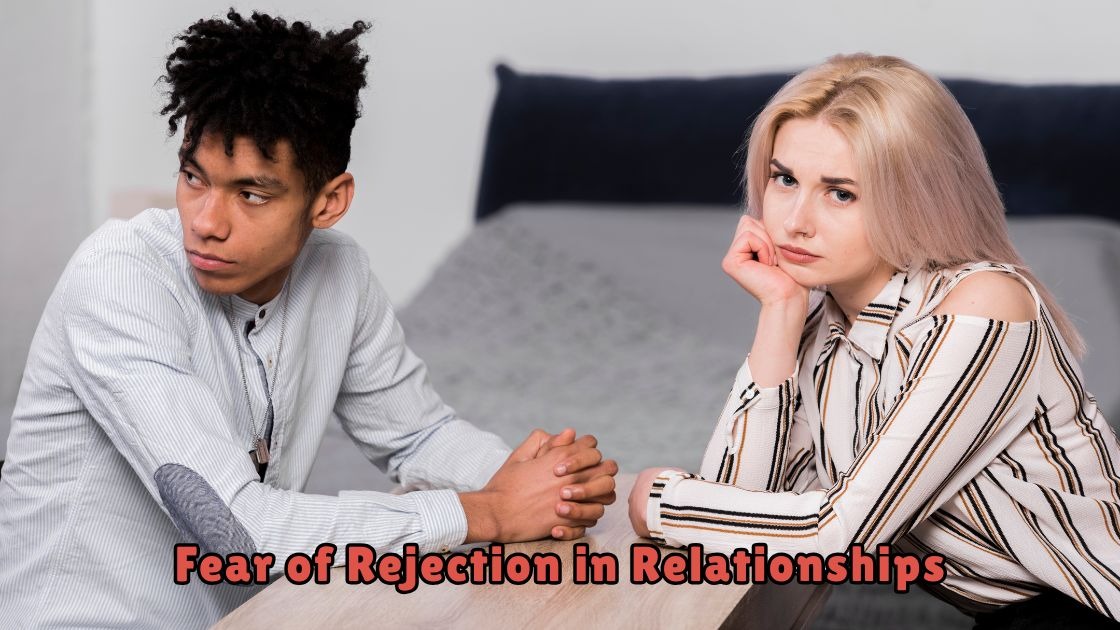
Have you ever held back your true feelings because the fear of rejection in relationships felt too overwhelming to face? That sinking feeling in your chest when you want to say “I love you” first, express a need, or simply be vulnerable with your partner it is far more common than you think. Millions of people silently struggle with relationship anxiety and the constant worry that they are not enough for the person they care about most.
The truth is, the fear of rejection in relationships does not mean something is broken inside you. It often stems from deeper roots like insecure attachment styles, past emotional wounds, childhood experiences, or even abandonment issues that were never properly addressed. Over time, these unresolved feelings quietly shape the way you love, communicate, and connect with others. You might avoid emotional vulnerability, push people away before they can leave, or stay in unhealthy dynamics just to avoid being alone.
But here is the good news you can absolutely learn to manage this fear without letting it control your love life. Building genuine self-worth and understanding your emotional patterns are the first powerful steps toward healthier connections.
In this honest and practical guide, we will walk you through the real reasons behind your fear of rejection in relationships, how it silently damages your emotional intimacy, and most importantly, the proven strategies that therapists and relationship experts recommend to help you move forward. Whether you are in a relationship right now or preparing to open your heart again, this article will give you the clarity and tools you need to love with confidence instead of fear. Let us begin.
What Is the Fear of Rejection in Relationships and Why Does It Matter
The fear of rejection in relationships is an intense emotional response where a person constantly worries about being dismissed, abandoned, or deemed unworthy by their romantic partner. It goes beyond normal nervousness. This fear can become a persistent pattern that influences every decision you make in love. People who experience this often overthink conversations, seek constant reassurance, or avoid expressing their true feelings altogether.
Understanding this fear matters because it directly impacts your ability to form deep and lasting connections. When left unchecked, the fear of rejection in relationships quietly erodes trust, communication, and emotional closeness. It can turn a healthy partnership into a cycle of doubt and insecurity that neither partner deserves.
The Psychology Behind Rejection Sensitivity
Rejection sensitivity is a psychological term used to describe the tendency to anxiously expect and strongly react to any sign of social or romantic rejection. Research in behavioral psychology suggests that people with high rejection sensitivity often interpret neutral situations as threats. A delayed text response or a change in tone can trigger a full emotional spiral.
This heightened sensitivity is closely linked to attachment theory. Individuals with anxious attachment styles are particularly vulnerable to the fear of rejection in relationships because their early caregiving experiences taught them that love is unpredictable. Their brains are essentially wired to scan for danger in emotional connections, even when no real threat exists.
Common Causes of Fear of Rejection in Relationships
The roots of this fear rarely develop overnight. They are usually the result of accumulated emotional experiences that shape your belief system about love and worthiness.
Childhood Experiences and Early Attachment
One of the most significant causes of the fear of rejection in relationships is childhood emotional neglect or inconsistent parenting. Children who grew up with caregivers who were emotionally unavailable, overly critical, or unpredictable often carry those wounds into adulthood. They learn early that love comes with conditions, and that belief follows them into every romantic relationship.
Past Relationship Trauma
Painful breakups, infidelity, or emotional abuse from previous partners can deeply intensify the fear of rejection in relationships. When someone you trusted chose to leave or betray you, your mind creates a protective mechanism that constantly warns you against being vulnerable again. This is your brain trying to keep you safe, but it often does more harm than good.
Low Self Esteem and Negative Self Image
People who struggle with low self worth tend to believe they are fundamentally not good enough to be loved. This internal narrative fuels the fear of rejection in relationships because they assume it is only a matter of time before their partner realizes their perceived flaws and walks away. The fear becomes a self fulfilling prophecy when it pushes them to sabotage good relationships.
How Fear of Rejection Silently Damages Your Love Life
The fear of rejection in relationships does not always show up as dramatic arguments or obvious insecurity. Often, it works silently in the background, slowly weakening the foundation of your partnership.
Emotional Withdrawal and Avoidance
Many people cope with this fear by emotionally shutting down. They avoid deep conversations, resist physical affection, or keep their partner at a safe emotional distance. While this feels protective, it starves the relationship of the emotional intimacy it needs to survive and grow.
People Pleasing and Loss of Identity
Another common response is excessive people pleasing. When you are terrified of rejection, you may abandon your own needs, opinions, and boundaries to keep your partner happy. Over time, this leads to resentment, burnout, and a complete loss of your authentic self within the relationship.
Proven Strategies to Overcome Fear of Rejection in Relationships
Healing from this fear is not about becoming fearless. It is about learning to feel the fear and still choose love, connection, and vulnerability. Here are practical strategies recommended by mental health professionals.
Recognize and Challenge Your Thought Patterns
The first step in managing the fear of rejection in relationships is becoming aware of your automatic negative thoughts. Cognitive behavioral techniques teach you to pause, examine the evidence behind your fears, and replace distorted thinking with balanced perspectives. When your mind says “they are going to leave me,” you can learn to respond with “I have no evidence that this is true right now.”
Build a Secure Relationship With Yourself
You cannot expect a partner to fill a void that only self compassion can address. Building self confidence and a strong sense of identity outside your relationship is essential. Consider these five foundational practices:
- Start a daily journaling habit to process your emotions honestly
- Set personal boundaries and honor them without guilt
- Celebrate small victories and acknowledge your own growth regularly
- Practice positive affirmations that reinforce your inherent worthiness
- Invest time in hobbies and friendships that bring you genuine joy
Communicate Openly With Your Partner
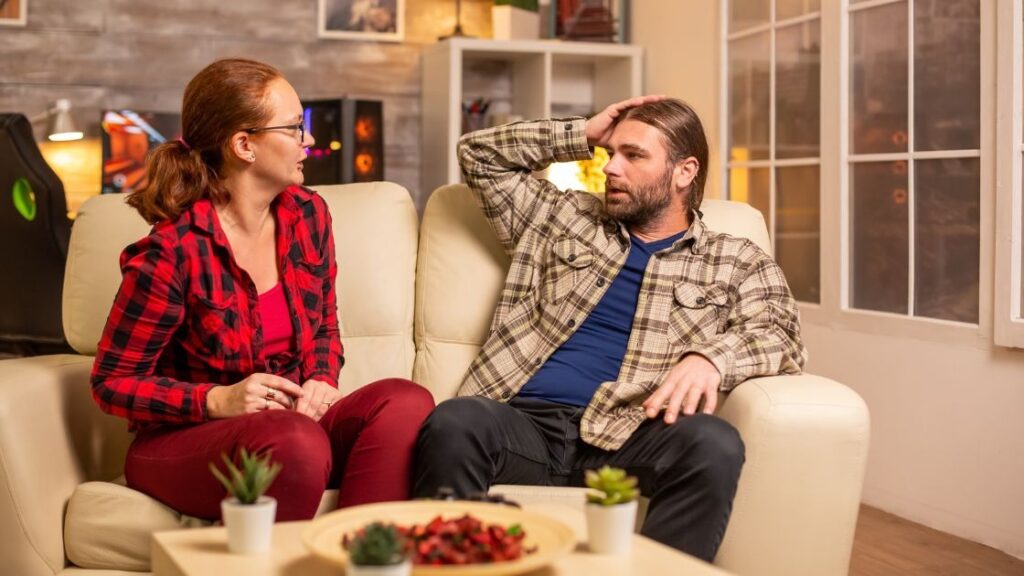
Healthy relationships thrive on honest communication. Sharing your fear of rejection in relationships with your partner is not a sign of weakness. It is an act of courage that invites deeper understanding. When your partner knows what you are struggling with, they can offer reassurance in ways that actually help.
Seek Professional Support When Needed
Sometimes the fear of rejection in relationships is deeply rooted enough that self help strategies alone are not sufficient. Working with a licensed therapist who specializes in relationship counseling or attachment based therapy can provide transformative results. Professional guidance offers you a safe space to unpack old wounds and develop healthier emotional responses.
Therapeutic Approaches That Help
Several evidence based therapies have shown strong results for people dealing with rejection fears in romantic settings:
- Cognitive Behavioral Therapy helps reframe negative thought patterns effectively
- Emotionally Focused Therapy strengthens the bond between romantic partners
- Schema Therapy addresses deep rooted beliefs formed during childhood experiences
- Mindfulness Based Stress Reduction teaches present moment awareness and emotional regulation
- Attachment Based Therapy repairs insecure patterns and builds relationship security
The fear of rejection in relationships does not have to define your love story. With the right tools, honest self reflection, and a willingness to grow, you can build the kind of confident and fulfilling partnership you truly deserve.
Conclusion
The journey of healing from the fear of rejection in relationships is not a straight line, and that is perfectly okay. What matters most is that you have taken the first step by educating yourself about where this fear comes from and how it quietly affects the way you love and connect with others.
Throughout this guide, we explored how childhood emotional experiences, past relationship trauma, and low self esteem can plant the seeds of rejection sensitivity deep within your heart. We also discussed how this fear silently damages your partnerships through emotional withdrawal, people pleasing, and the gradual loss of your authentic self. Most importantly, we covered actionable strategies like challenging negative thought patterns, building self compassion, communicating openly with your partner, and seeking professional therapy when needed.
The fear of rejection in relationships does not make you weak or unlovable. It makes you human. Every person who has ever cared deeply about another person has felt some version of this fear. The difference lies in how you choose to respond to it. You can let it control your decisions and keep you trapped in cycles of anxiety and avoidance, or you can face it with courage and transform it into an opportunity for genuine emotional growth.
Remember, you deserve a love that feels safe, secure, and free from constant doubt. Overcoming the fear of rejection in relationships starts with believing that you are worthy of that kind of love. Trust the process, be patient with yourself, and never stop choosing connection over fear. Your most fulfilling relationship is still ahead of you.