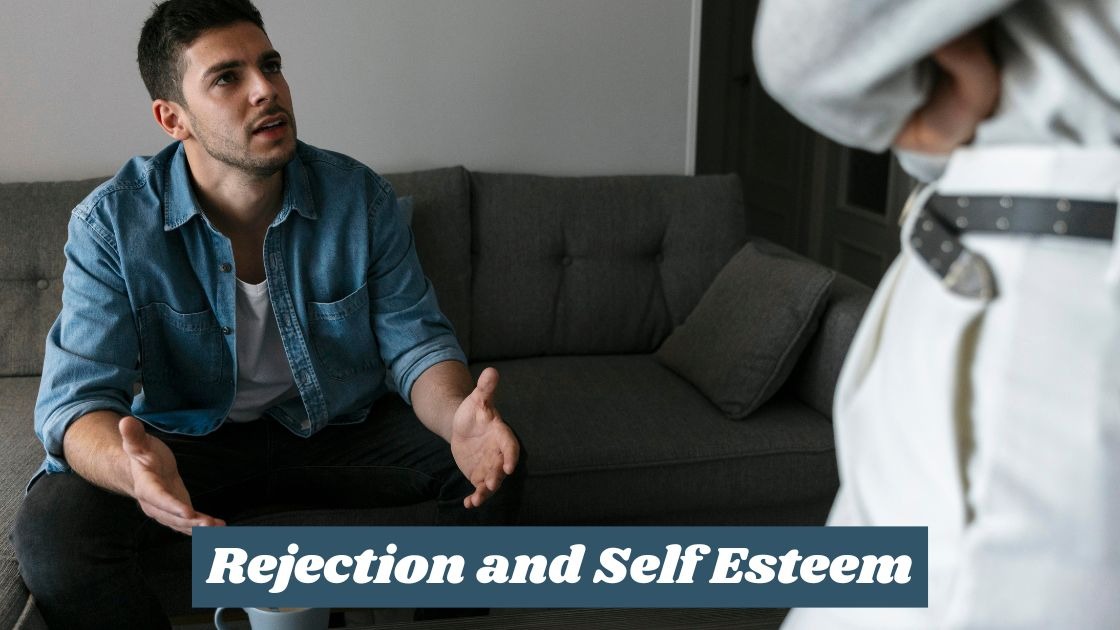
Have you ever wondered how rejection and self esteem silently shape the way you see yourself and the world around you? Whether it comes from a failed relationship, a job interview gone wrong, or social exclusion, the emotional pain of being turned down can leave deep psychological scars. Over time, these experiences often lead to feelings of unworthiness, self-doubt, and emotional vulnerability that quietly erode your confidence.
Psychology experts have long studied the powerful connection between rejection and self esteem, revealing that our brains actually process social rejection similarly to physical pain. This means the hurt you feel is not just emotional it is deeply wired into your biology.
In this article, we will explore how repeated rejection damages your sense of self-worth, why some people are more sensitive to it than others, and what evidence-based strategies can help you rebuild your confidence. You will also discover insights from licensed therapists and mental health professionals about overcoming fear of rejection, building emotional resilience, developing a healthy self-image, and breaking free from negative thought patterns.
If you have ever felt like rejection defines your value as a person, this guide will help you understand the science behind it and give you practical tools to take back control of your mental well-being.
Understanding the Psychology Behind Rejection and Self Esteem
Rejection is a universal human experience that touches every aspect of life, from personal relationships to professional environments. At its core, rejection involves being excluded, dismissed, or turned away by someone or something that matters to you. When this happens repeatedly, it begins to chip away at your self esteem, leaving you questioning your own value and capabilities.
Psychology experts define self esteem as the overall sense of personal worth or value a person assigns to themselves. When rejection and self esteem become entangled, individuals often develop distorted beliefs about who they are. Research published in psychological journals confirms that even a single episode of social exclusion can temporarily lower self worth, while chronic rejection can lead to long term emotional damage.
Understanding this connection is the first step toward breaking free from the cycle and reclaiming your mental health.
How Rejection and Self Esteem Impact Your Brain and Emotional Health
The Neuroscience of Social Pain
One of the most fascinating discoveries in modern psychology is that rejection and self esteem are linked at the neurological level. Brain imaging studies have shown that the same regions of the brain activated during physical pain also light up during social rejection. This means your brain literally treats being rejected as a threat to survival.
When you experience rejection, your body releases stress hormones like cortisol, which trigger feelings of anxiety, sadness, and emotional withdrawal. Over time, these repeated stress responses weaken your emotional resilience and make you more vulnerable to low self confidence and negative self perception.
Emotional Consequences of Repeated Rejection
Facing rejection once is painful, but experiencing it repeatedly creates a pattern that deeply affects your psychological well being. The emotional consequences often include:
- Persistent feelings of inadequacy and unworthiness that follow you into new situations
- Heightened sensitivity to criticism, making even minor feedback feel like a personal attack
- Social withdrawal and avoidance of new relationships or opportunities due to fear of being hurt again
- Formation of harmful inner beliefs like “I will never be worthy” or “People will always leave me”
- Increased risk of depression, anxiety disorders, and chronic emotional distress
These consequences show how closely rejection and self esteem are intertwined, and why addressing them early is so important for long term mental wellness.
Why Some People Are More Affected Than Others
The Role of Childhood Experiences
Not everyone responds to rejection in the same way, and childhood experiences play a significant role in determining sensitivity levels. Children who grew up in environments where they faced parental neglect, bullying, or emotional abuse are more likely to develop what psychologists call “rejection sensitivity.” This means their self esteem is more fragile, and they tend to perceive rejection even in neutral situations.
Early attachment styles also influence how adults handle rejection and self esteem challenges. Those with secure attachment generally recover faster, while individuals with anxious or avoidant attachment styles struggle more deeply with feelings of abandonment and low self worth.
Personality Traits and Coping Mechanisms
Certain personality traits also determine how rejection impacts your confidence. People who are naturally more introverted, perfectionistic, or prone to overthinking tend to internalize rejection more intensely. Their inner dialogue often magnifies the experience, turning a single instance of being turned down into proof of personal failure.
On the other hand, individuals with strong coping mechanisms, supportive social networks, and a growth mindset are better equipped to process rejection without allowing it to define their identity or damage their self image.
The Connection Between Rejection and Self Esteem in Different Areas of Life
Romantic Relationships
Romantic rejection is one of the most painful forms of emotional hurt. When a partner leaves or shows disinterest, it often triggers deep insecurities and makes individuals question their attractiveness, lovability, and overall value. The impact of rejection and self esteem struggles in romantic contexts can lead to unhealthy relationship patterns, codependency, or complete emotional shutdown.
Workplace and Professional Life
Professional rejection, such as not getting a promotion, being overlooked for a project, or receiving harsh criticism from a supervisor, directly affects career confidence. Employees who repeatedly face workplace rejection may develop imposter syndrome, lose motivation, and experience decreased job satisfaction. This demonstrates that rejection and self esteem challenges extend far beyond personal life.
Social Circles and Friendships
Being excluded from social groups or losing friendships can be equally devastating. Social rejection often triggers feelings of loneliness and isolation, which further reinforce negative beliefs about oneself. Over time, this can lead to social anxiety and difficulty forming new meaningful connections.

Expert Recommended Strategies to Rebuild Self Esteem After Rejection
Mental health professionals emphasize that healing from rejection and self esteem damage is entirely possible with the right approach. Here are five evidence based strategies recommended by licensed therapists and psychologists:
- Practice cognitive reframing by challenging negative thoughts and replacing them with balanced, realistic perspectives about yourself
- Build a strong support system of trusted friends, family members, or mentors who affirm your worth and provide emotional safety
- Engage in regular self compassion exercises, treating yourself with the same kindness you would offer a close friend going through a difficult time
- Set small, achievable goals that gradually rebuild your confidence and remind you of your capabilities and strengths
- Seek professional therapy, particularly cognitive behavioral therapy, which has been proven highly effective in addressing rejection sensitivity and low self worth
The Importance of Professional Help
While self help strategies are valuable, psychology experts strongly recommend seeking professional guidance when rejection and self esteem issues begin interfering with daily functioning. A trained therapist can help identify deep rooted patterns, process unresolved emotional pain, and develop personalized coping strategies that lead to lasting change.
Remember that experiencing rejection does not define your worth as a human being. With awareness, effort, and the right support, you can break the cycle and build a healthier, more resilient sense of self.
Conclusion
The relationship between rejection and self esteem is deeply rooted in human psychology, affecting how we perceive ourselves across every area of life. As we have explored throughout this article, the emotional pain of being rejected is not simply an overreaction. It is a real, scientifically validated response that impacts your brain, emotions, and overall sense of self worth.
From childhood experiences and attachment styles to romantic relationships and professional setbacks, rejection and self esteem challenges can show up in countless ways. The key takeaway is that understanding this connection gives you the power to respond differently. When you recognize that rejection does not reflect your true value, you begin to loosen its grip on your mental health.
Psychology experts agree that healing is not only possible but achievable through intentional effort. Practicing self compassion, challenging negative thought patterns, building emotional resilience, and seeking professional therapy are all proven paths toward restoring your confidence and inner peace. These strategies help you develop a healthier self image and reduce your sensitivity to future experiences of social exclusion or emotional hurt.
Most importantly, remember that rejection and self esteem struggles do not have to define your story. Every person faces moments of being turned down or feeling inadequate, but those moments do not determine your worth. By taking small, consistent steps toward self acceptance and personal growth, you can rebuild your confidence and create a life rooted in emotional strength and genuine self belief.