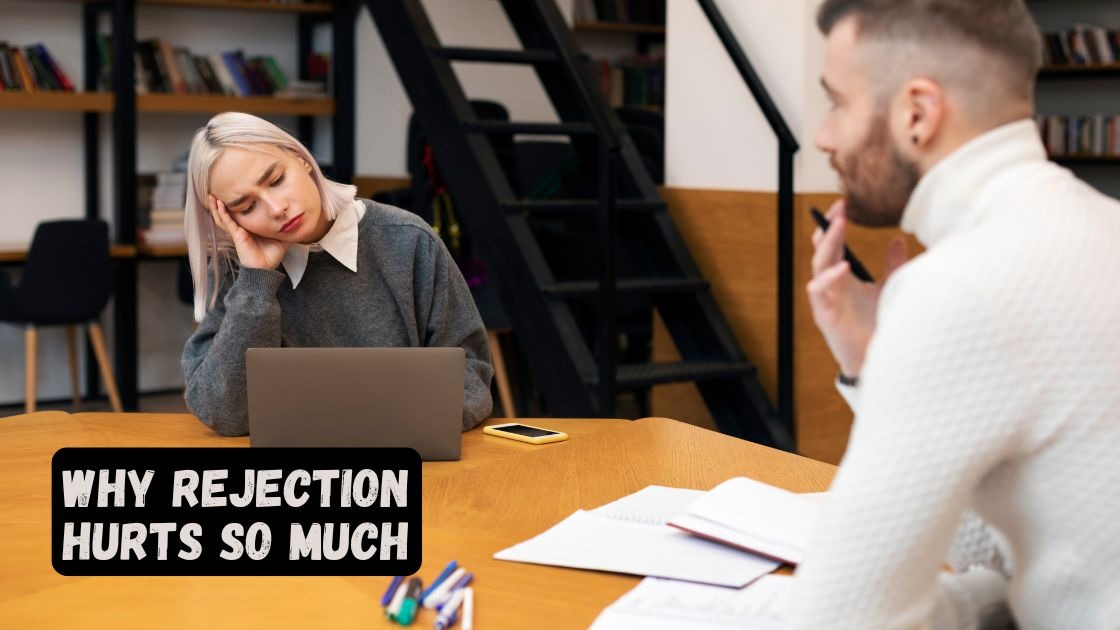
Have you ever wondered why rejection hurts so much that it almost feels like physical pain? Whether it comes from a romantic partner, a close friend, a job application, or even a social group, the sting of being turned away can shake you to your core. You are not alone in feeling this way and there is real science behind it.
Rejection triggers the same areas of the brain that respond to physical injury. That is why the emotional pain of rejection can feel just as intense as a broken bone or a deep wound. Our brains are wired for human connection and social belonging, so when someone pushes us away, our entire nervous system reacts as if we are in danger. This deep-rooted response explains why rejection hurts so much more than we expect it to.
But here is the good news understanding the psychology behind rejection is the first step toward healing. When you know what is happening inside your mind and body, you gain the power to respond in healthier ways instead of spiraling into self-doubt and emotional distress.
In this article, we will explore the real reasons why rejection hurts so much, including the brain science, the role of self-esteem, and the impact of past emotional wounds. More importantly, we will share healthy coping methods that actually work practical strategies backed by psychology to help you build emotional resilience, overcome fear of rejection, and protect your mental health. If you have ever felt crushed by someone’s “no,” keep reading. The answers ahead might change how you handle rejection forever.
Understanding the Science Behind Rejection
Before we can truly understand why rejection hurts so much, we need to look at what happens inside the brain. Rejection is not just an emotional experience. It is a deeply biological response that humans have carried for thousands of years. Our ancestors depended on social groups for survival, and being cast out from a tribe often meant facing life threatening danger alone. That ancient wiring still lives inside us today.
Modern neuroscience has confirmed that the brain processes social rejection in the same regions that handle physical pain. A landmark study conducted at the University of Michigan found that the posterior insular cortex and the secondary somatosensory cortex activate during both physical injury and social exclusion. This overlap is the core reason why rejection hurts so much on a level that feels physical rather than just emotional.
The Role of the Brain’s Pain Response
When you experience rejection, your brain releases the same chemical signals it would during a physical wound. Stress hormones like cortisol flood your system, raising your heart rate and creating a fight or flight response. This is why rejection hurts so much even when the situation seems minor, like being left out of a group chat or not getting a callback after a date. Your nervous system does not distinguish between big and small threats to your sense of belonging.
Types of Rejection and Their Emotional Impact
Not all rejection feels the same. The intensity of your emotional response often depends on the source and context of the rejection. Understanding these different types helps explain why rejection hurts so much in certain situations more than others.
Romantic Rejection
Losing a romantic connection is often the most painful form of rejection. When a partner leaves or shows disinterest, it strikes at your attachment system and self-worth simultaneously. This is why rejection hurts so much in relationships because it challenges the belief that you are lovable and worthy of commitment.
Social Rejection
Being excluded from friendships, peer groups, or social events creates feelings of loneliness and isolation. Humans have a fundamental need for social acceptance, and when that need is denied, the emotional toll can be significant.
Professional Rejection
Job rejections, failed promotions, and negative performance reviews affect your sense of competence. This form of rejection can damage your professional confidence and trigger imposter syndrome, making it harder to take future career risks.
Familial Rejection
Perhaps the deepest wound comes from family rejection. When a parent, sibling, or close relative withholds love or approval, it shapes your core beliefs about yourself. This early emotional pain often explains why rejection hurts so much in adulthood because old wounds resurface with each new experience of being turned away.
Why Some People Feel Rejection More Intensely
Not everyone reacts to rejection the same way. Several psychological factors determine how deeply rejection affects a person.
Low Self Esteem
People who already struggle with self-worth tend to internalize rejection more deeply. Instead of seeing it as one person’s decision, they view it as proof that something is fundamentally wrong with them. This pattern of negative self-talk amplifies why rejection hurts so much for certain individuals.
Past Emotional Trauma
If you experienced abandonment, neglect, or emotional abuse during childhood, your brain becomes hypersensitive to any form of social exclusion. These early attachment wounds create a heightened rejection sensitivity that can persist throughout life without proper healing.
Rejection Sensitivity Disposition
Some individuals are naturally more sensitive to perceived rejection. Research in behavioral psychology shows that people with high rejection sensitivity often anticipate rejection, overreact to ambiguous social cues, and withdraw from relationships to protect themselves. This cycle of fear and avoidance further explains why rejection hurts so much for emotionally sensitive people.
How Rejection Affects Your Mental Health
The emotional pain of rejection does not just disappear on its own. Left unaddressed, repeated rejection can lead to serious mental health consequences. Understanding these effects is essential for long term emotional wellbeing.
- Depression and persistent sadness that lingers long after the rejection event has passed
- Chronic anxiety and fear of putting yourself in situations where rejection is possible
- Social withdrawal and isolation that damages existing healthy relationships
- Anger and aggression directed at yourself or others as a defense mechanism
- Lowered self-confidence that prevents you from pursuing new opportunities and personal growth
These consequences highlight why rejection hurts so much beyond the initial moment. The ripple effects can touch every area of your life if left unchecked.
Healthy Coping Methods That Actually Work
Now that we understand why rejection hurts so much, let us focus on what you can do about it. The following coping strategies are grounded in psychology and emotional resilience research.
Acknowledge and Validate Your Feelings
The worst thing you can do after rejection is pretend it does not bother you. Suppressing emotions only delays the healing process. Give yourself permission to experience the sadness, frustration, or disappointment without criticizing your own emotions. Emotional acceptance is the foundation of recovery.
Reframe the Experience
Cognitive reframing is a powerful technique where you challenge negative thoughts and replace them with balanced perspectives. Instead of thinking “I am not good enough,” try “this was not the right fit, and that is okay.” This mental shift gradually reduces why rejection hurts so much over time.
Build a Strong Support System
Keep close the people who truly value your presence and support your wellbeing. Talking to a trusted friend, family member, or therapist after rejection can help you process your emotions and regain perspective. Human connection is the best antidote to the pain of being disconnected.
Practice Self Compassion Daily
Treat yourself with the same kindness you would offer a close friend going through a tough time. Self compassion exercises, journaling, and positive affirmations help rebuild your sense of self-worth after a painful rejection experience.
Invest in Personal Growth
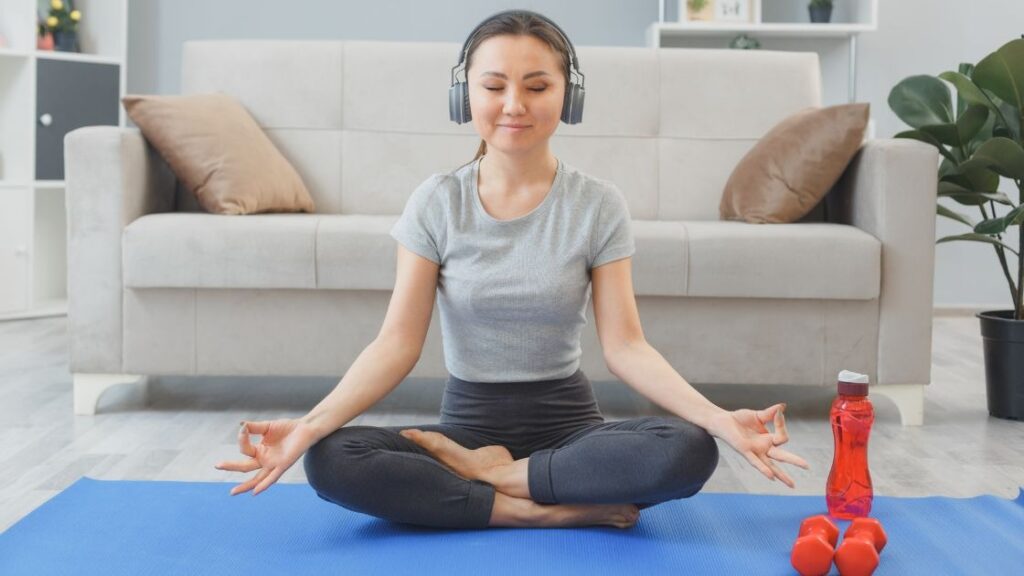
- Start a mindfulness or meditation practice to calm your nervous system and reduce emotional reactivity
- Set small achievable goals that rebuild your confidence one step at a time
- Engage in physical exercise which naturally boosts mood and reduces stress hormones
- Seek professional therapy especially cognitive behavioral therapy for recurring rejection pain
- Limit social media exposure to avoid comparison traps that worsen feelings of inadequacy
These methods do not eliminate rejection from your life, but they transform how you respond to it. When you build emotional resilience, the question shifts from why rejection hurts so much to how you can grow stronger because of it.
Conclusion
Rejection is one of the most universal human experiences, yet very few people truly understand the depth of its impact. Throughout this article, we have explored why rejection hurts so much from both a scientific and emotional perspective. The answer lies in our brain’s ancient wiring, which treats social exclusion as a genuine threat to survival. That biological response, combined with personal factors like low self-esteem, past emotional trauma, and rejection sensitivity, creates a powerful storm of pain that can feel overwhelming.
We also examined how different types of rejection, whether romantic, social, professional, or familial, each carry their own emotional weight. Understanding these distinctions helps you recognize your triggers and respond with greater self-awareness instead of falling into patterns of self-blame and emotional withdrawal.
Most importantly, we discussed healthy coping methods that can genuinely make a difference. Acknowledging your feelings, practicing cognitive reframing, building a strong support system, and investing in personal growth are all evidence-based strategies that reduce the sting of rejection over time. These are not quick fixes but long term habits that strengthen your emotional resilience and protect your mental health.
The truth is, rejection will always be a part of life. It is not in your hands whether someone chooses to accept you or walk away. However, the way you choose to respond is entirely within your power. Now that you understand why rejection hurts so much, you hold the power to heal faster, protect your self-worth, and move forward with confidence. Every rejection you survive makes you stronger, wiser, and more prepared for the connections that truly matter.